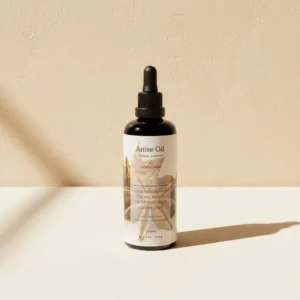
 Anise Star Macerated Oil
20,00 € inc. VAT
Availability: In stock

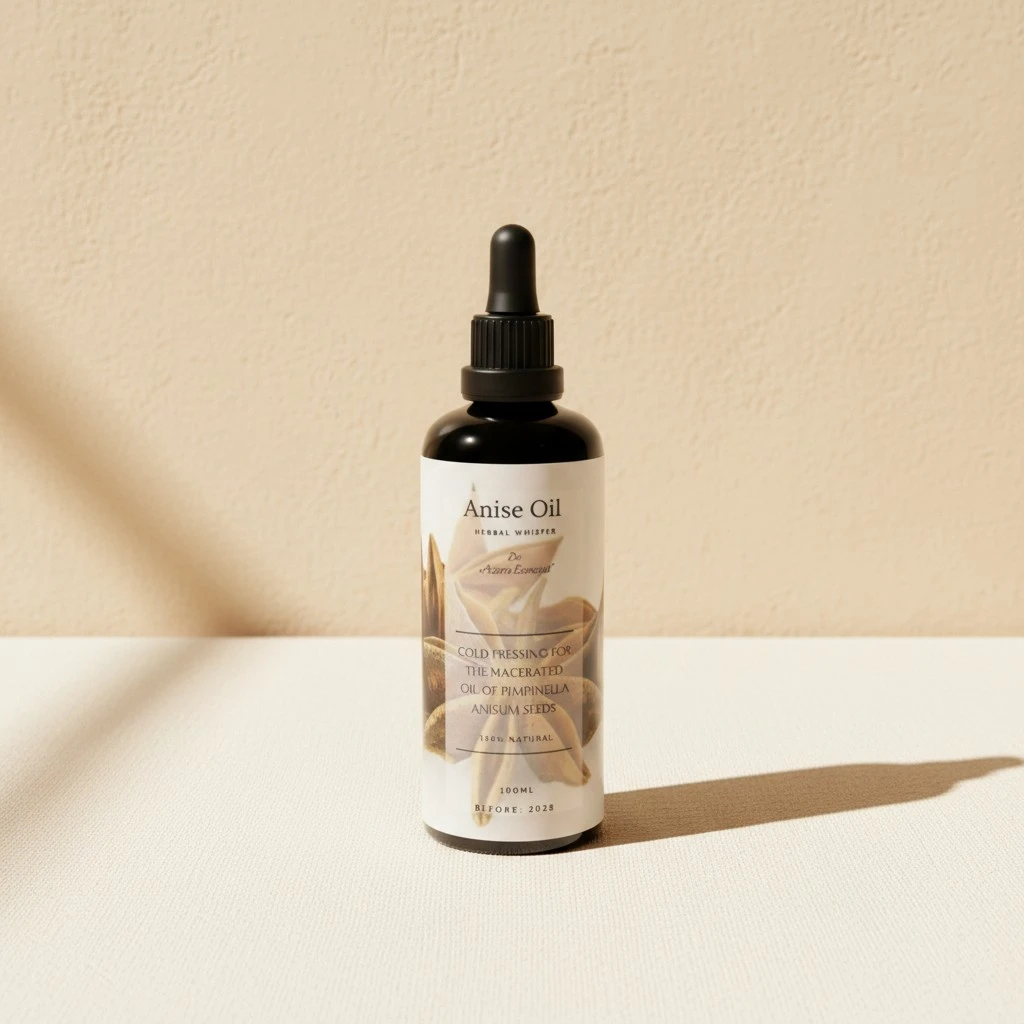
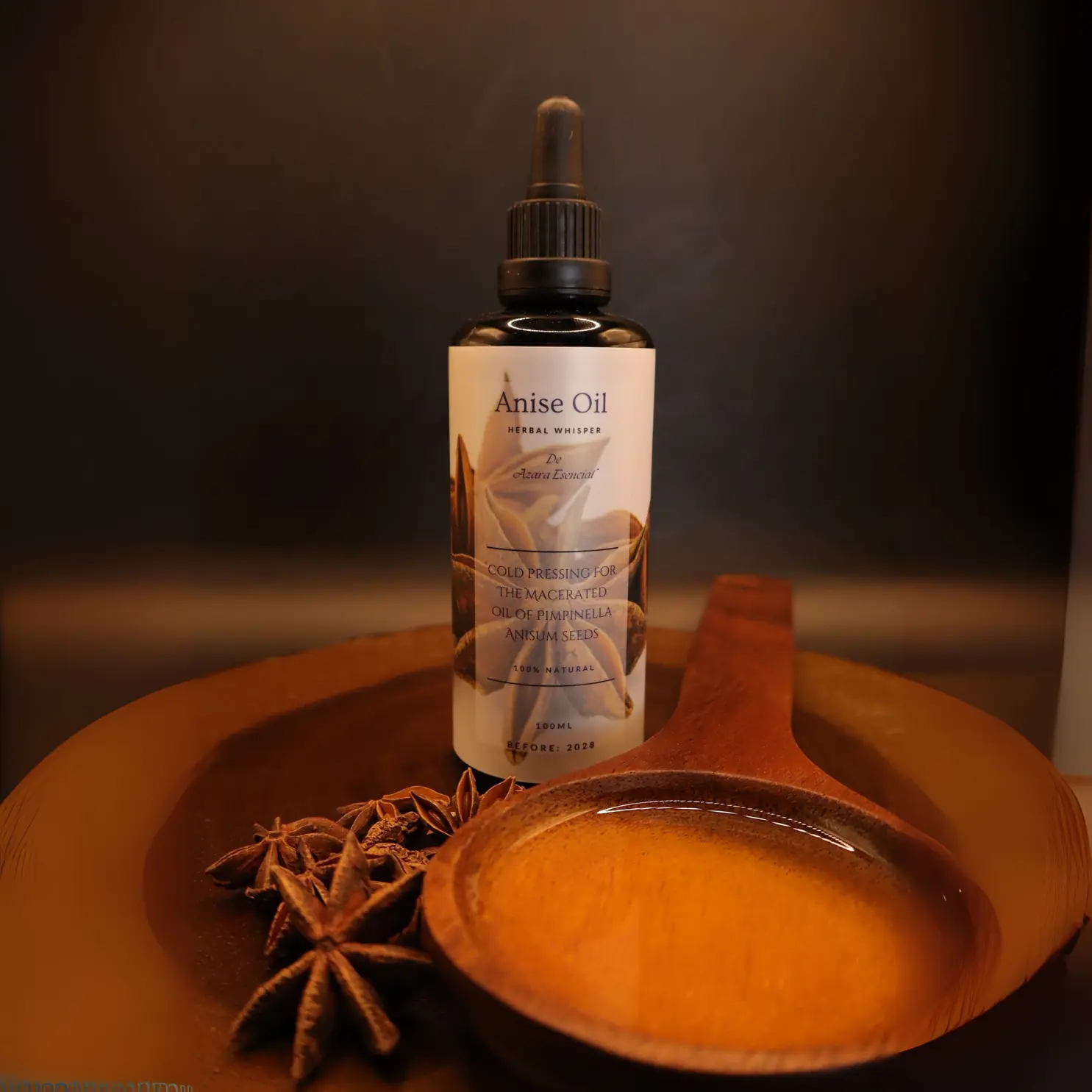
20,00 € inc. VAT
Availability: In stock
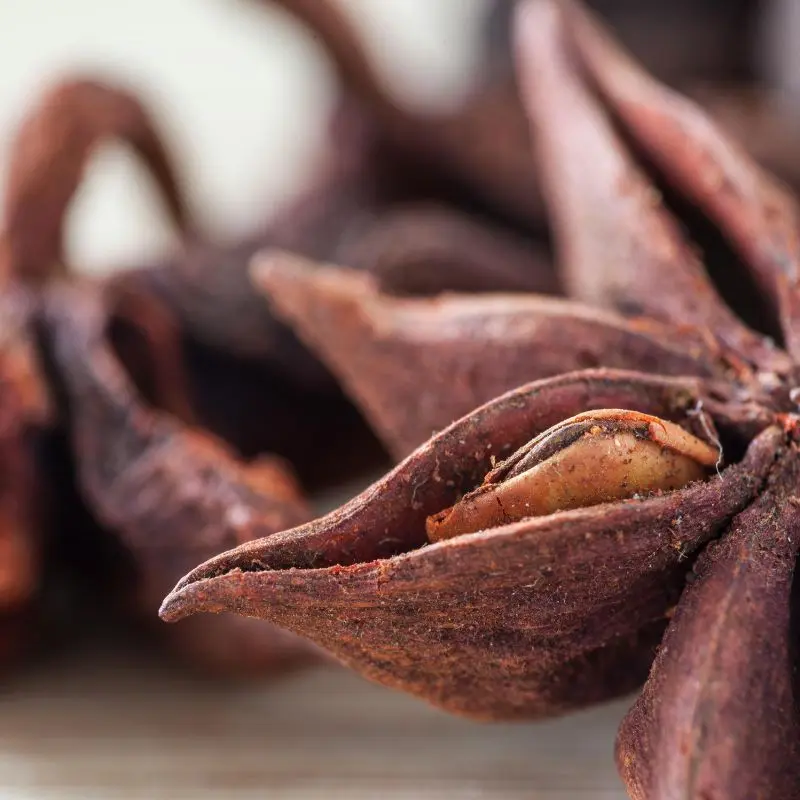
Botanical origin
Anise (Pimpinella anisum) is one of the oldest cultivated plants in the Mediterranean, documented as a medicinal botanical in Egyptian papyri, Greek pharmacy texts and Roman agriculture. Cold maceration of anise seeds in soybean oil extracts the full spectrum of trans-anethole, estragole and anisaldehyde — the primary bioactive compounds responsible for anise's antimicrobial, antifungal and sebum-balancing properties. Trans-anethole, the dominant active at 80–90% of the seed's volatile fraction, has documented inhibitory activity against multiple skin-relevant bacteria and fungi, making this oil particularly suited to oily, blemish-prone and congestion-prone skin types.
Best for
Pimpinella anisum seeds — native to the eastern Mediterranean and southwest Asia, cultivated since antiquity across Egypt, Greece, Rome and the Levant
Science
The primary bioactive compound of anise seed, comprising 80–90% of the seed's active fraction. Trans-anethole has documented antimicrobial and antifungal activity against skin-relevant organisms, contributing to cleaner-feeling skin. Its mild oestrogenic-like activity is also associated with sebum regulation, making it useful in oily and congestion-prone skin routines.
A phenylpropanoid ether with complementary antimicrobial and antifungal properties to trans-anethole. Works synergistically with the primary compound to broaden the antimicrobial spectrum of the oil against scalp and skin microorganisms.
The aldehyde compound responsible for part of anise oil's characteristic aroma and additional antimicrobial activity. Anisaldehyde complements the antifungal properties of trans-anethole, particularly relevant for oily scalp environments.
Flavonoid compounds provide broad antioxidant protection against free radical oxidative stress. Limonene and linalool (terpene components) contribute to the oil's aromatic therapeutic quality and add mild antimicrobial and soothing properties.
Application
Apply 1–2 drops on slightly damp skin after toner or hydrosol. Focus on the T-zone or blemish-prone areas. Use 2–4 nights per week — not daily, to allow the skin's sebum balance to adjust.
Add 2–3 drops to a single portion of clay mask before applying. The trans-anethole's antimicrobial and sebum-balancing activity works synergistically with the clay's absorption properties. Rinse and moisturise after.
Apply 1 dropper across the scalp, massage for 2–3 minutes, leave 20–30 minutes, then shampoo. Use 1–2 times per week for a refreshed, balanced scalp feel.
Ritual combinations
Anise's clarifying and balancing properties complement lavender's soothing and calming action — together they support oily skin that is simultaneously sensitive or reactive. Anise clarifies, lavender calms.
View oil →Both oils are effective for blemish-prone and oily skin types through different mechanisms — anise's trans-anethole targets the microbial environment while nigella's thymoquinone provides anti-inflammatory calming. A powerful oily skin duo.
View oil →Use sweet almond oil as a carrier when anise feels too intense on its own. The blend delivers anise's clarifying properties in a gentler format — ideal for combination skin or first-time use.
View oil →From the journal
The trans-anethole science behind anise oil's antimicrobial and sebum-balancing properties — a Mediterranean botanical used in skin care since antiquity, now understood at the molecular level.
Read the articleQuestions
Yes — anise oil is particularly well-suited to oily and blemish-prone skin. Trans-anethole has documented antimicrobial activity against skin-relevant bacteria and mild sebum-regulating properties. Use 1–2 drops on damp skin at night, 2–4 times per week, focusing on oily zones.
Yes. Apply 1 dropper to the scalp, massage 2–3 minutes, leave 20–30 minutes, then shampoo thoroughly. Trans-anethole and estragole support a balanced, fresh scalp environment — particularly useful for oily or congested scalps.
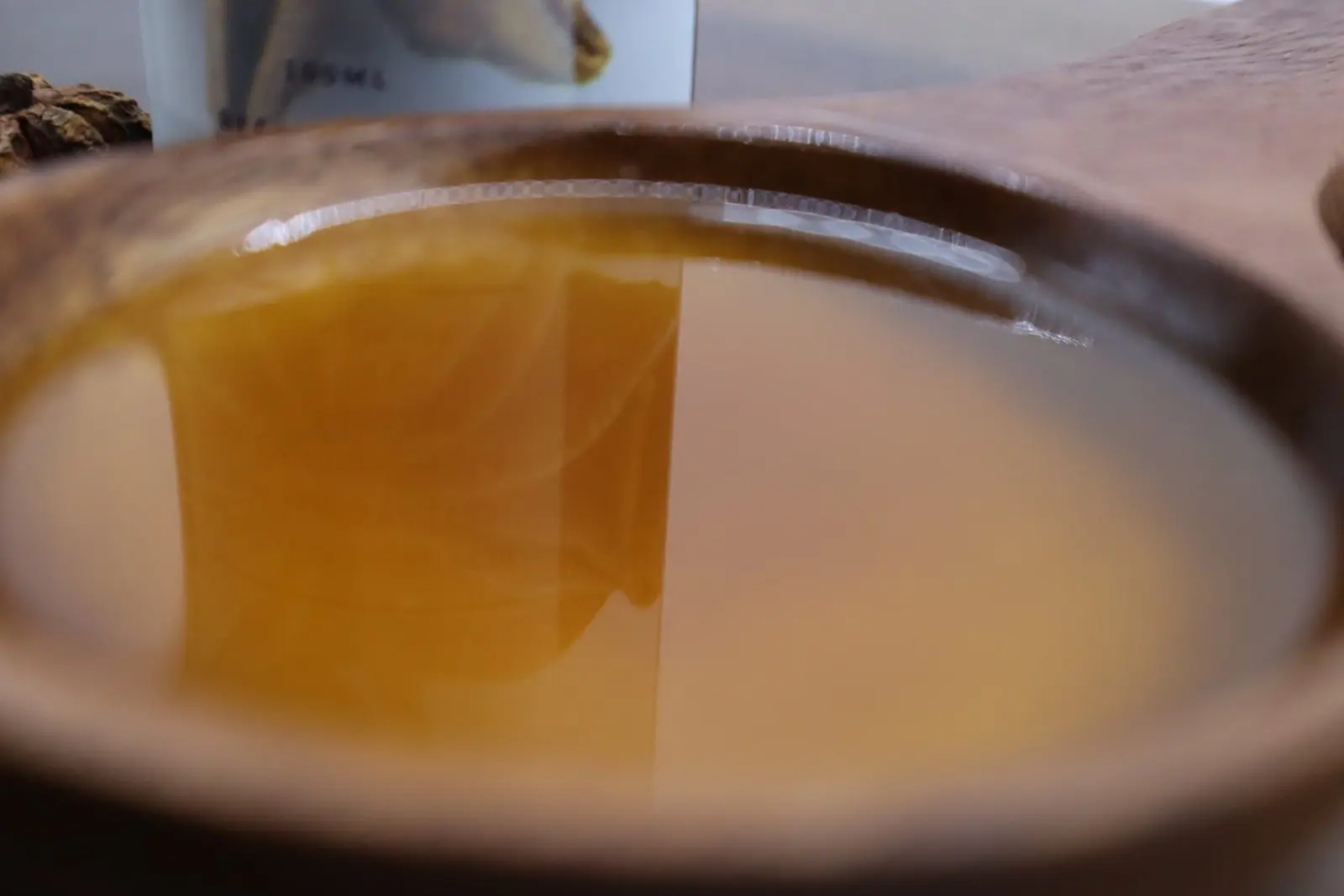
Anise oil has a characteristic sweet, warm, licorice-like aroma from trans-anethole. In the macerated soybean oil, this aroma is more nuanced and less sharp than pure anise essential oil — balanced by the neutral carrier.
Anise oil is primarily suited to oily, combination and blemish-prone skin. For sensitive skin, introduce it gradually by mixing 1 drop into your regular moisturiser first, then increase if well tolerated. A patch test is always recommended.
Anise Star Macerated OilAvailability: In stock