 Lavender Flower Macerated Oil
22,00 € inc. VAT
Availability: In stock

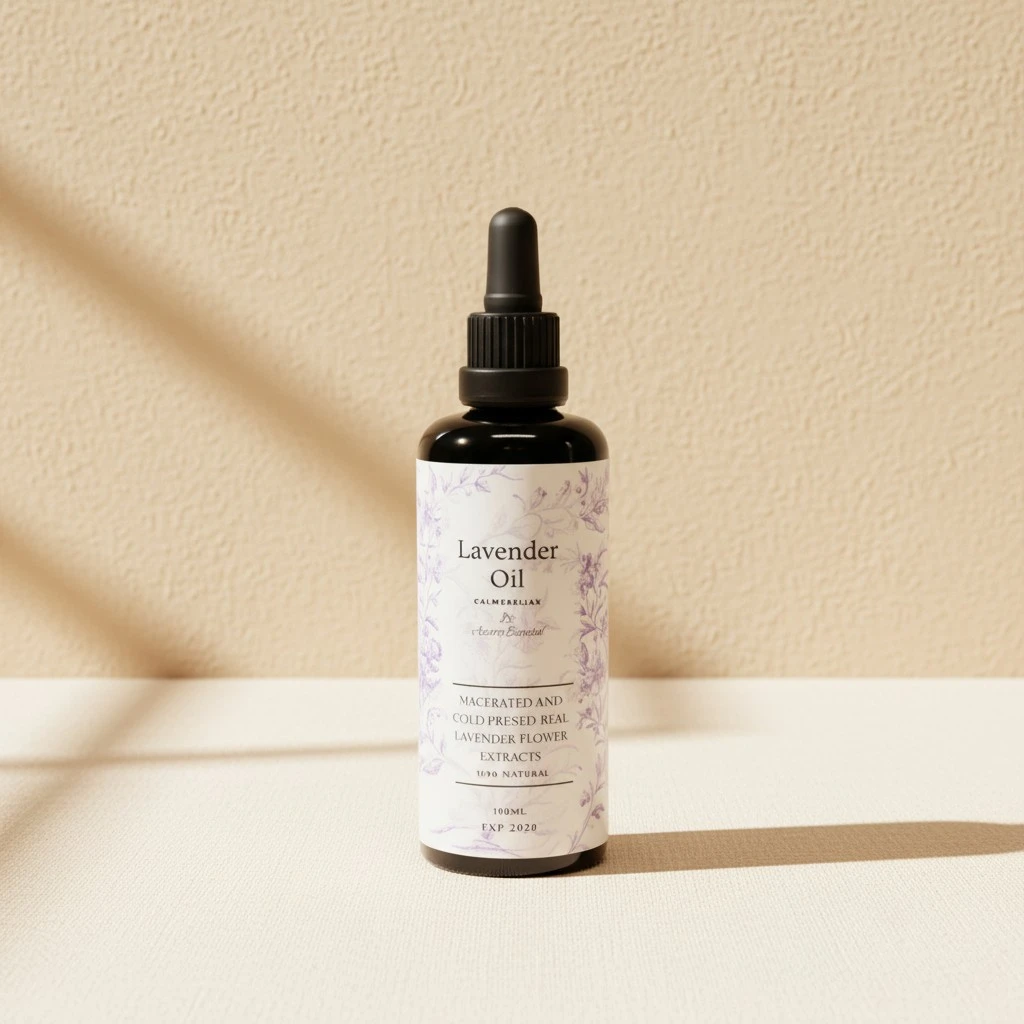
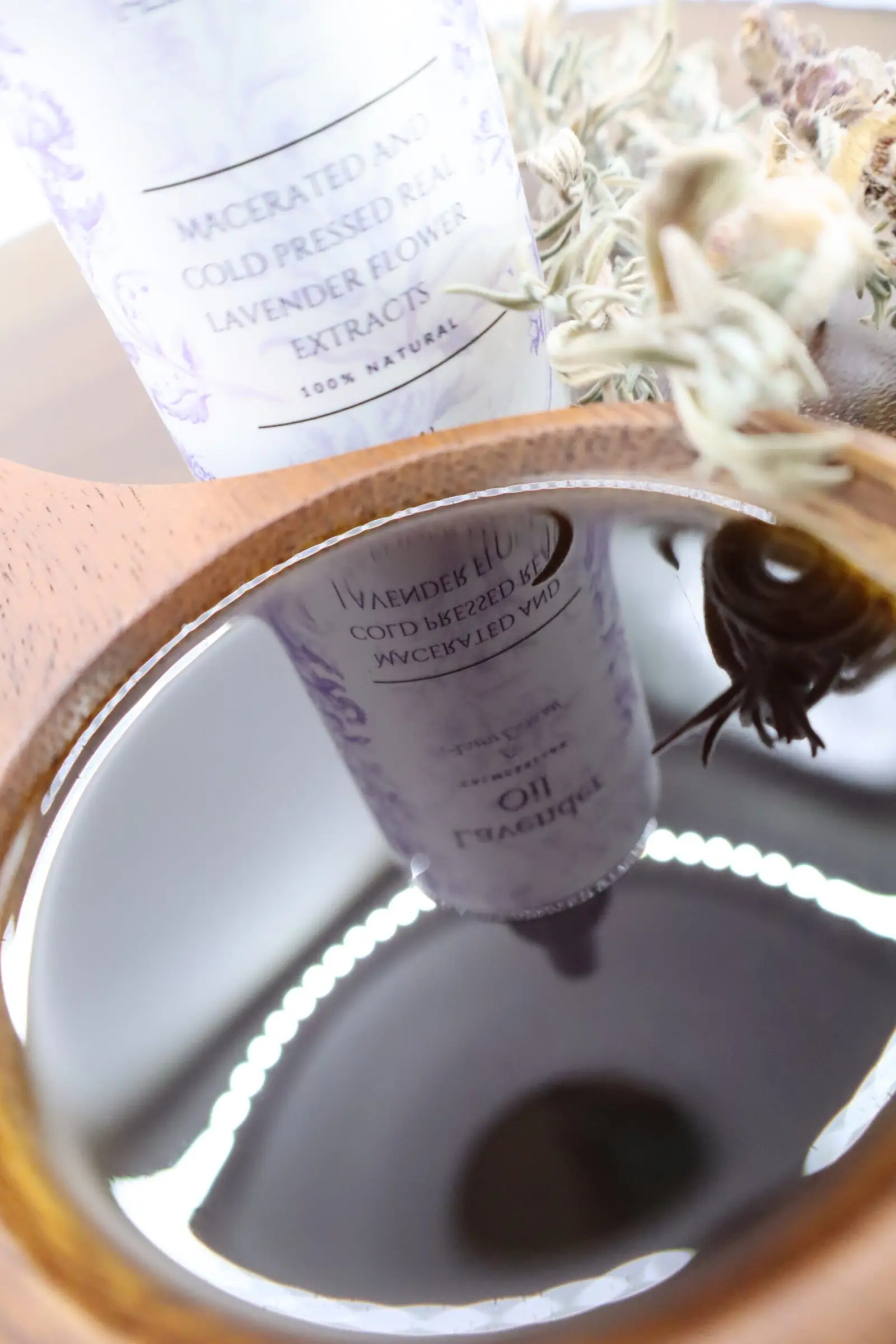
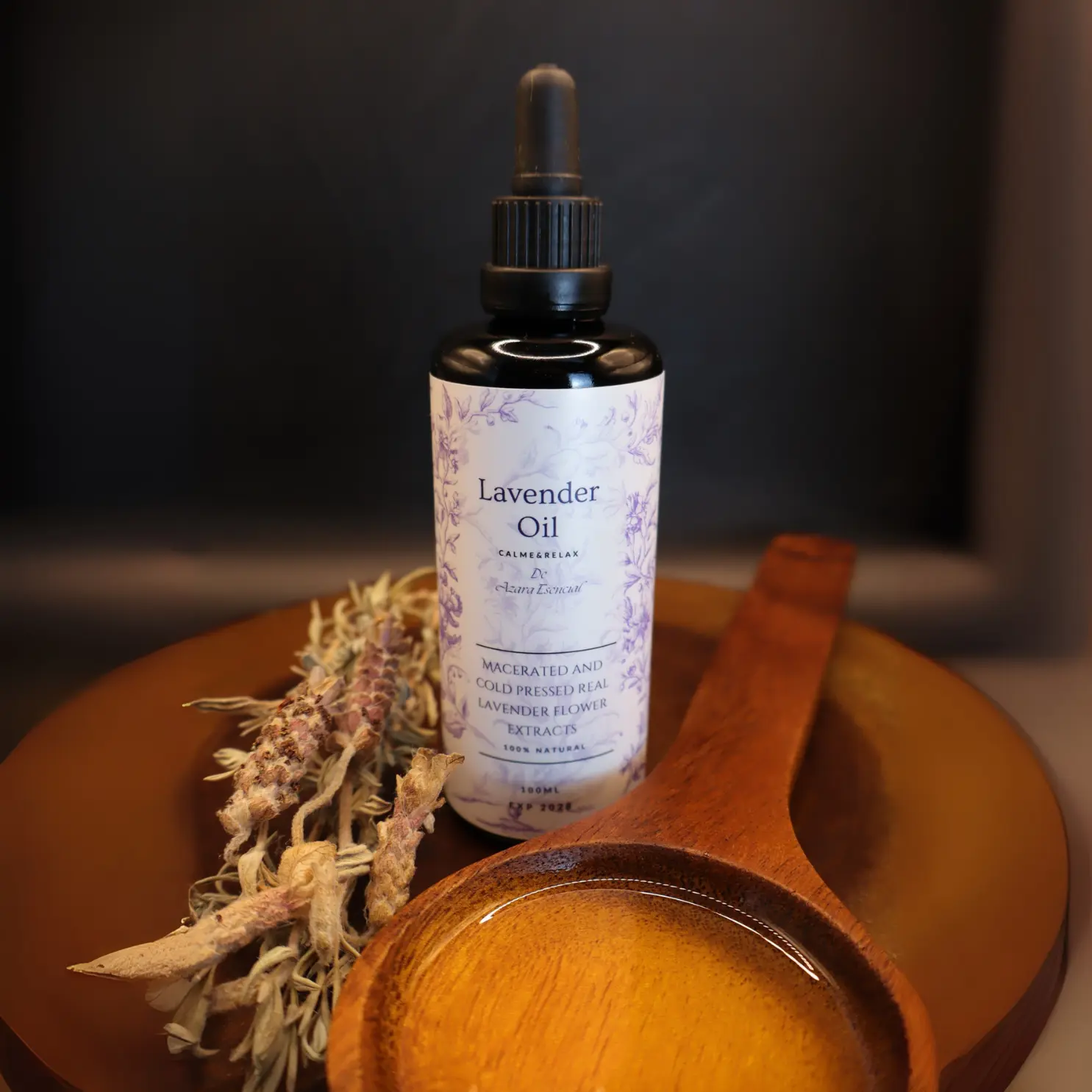
22,00 € inc. VAT
Availability: In stock
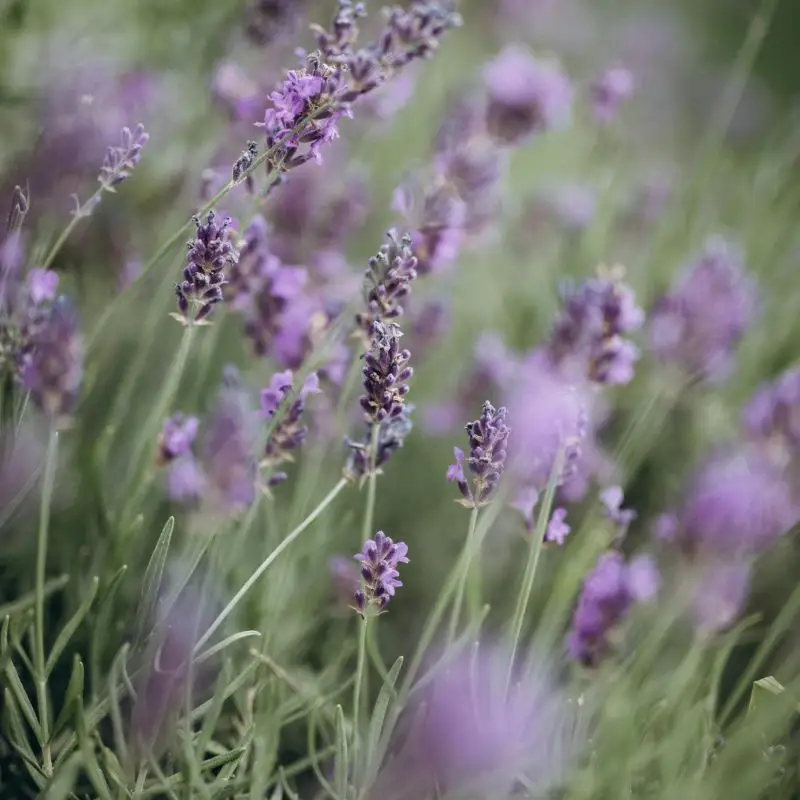
Botanical origin
Lavender is the most universally used botanical in aromatherapy and natural skin care across Europe — and for good reason. Wild Lavandula angustifolia, hand-collected from Syrian natural habitats, has a richer phytochemical profile than cultivated lavender. Cold maceration of the flowers in corn oil extracts linalool and linalyl acetate — the primary compounds responsible for lavender's documented anti-inflammatory, antimicrobial and calming properties — alongside flavonoids, tannins and coumarins that complete the botanical profile. Unlike lavender essential oil, which is volatile and evaporates from the skin quickly, the macerated oil delivers these compounds in a lipid vehicle that allows sustained skin contact and prolonged activity.
Best for
Wild Lavandula angustifolia from Syria — hand-collected from natural Mediterranean habitats, not industrial cultivation
Science
The primary terpene alcohol of Lavandula angustifolia, comprising up to 40% of the flower's bioactive fraction. Linalool has documented anti-inflammatory activity through inhibition of NF-κB signalling, as well as antimicrobial properties. It also interacts with GABA-A receptors — the neurochemical basis of lavender's well-documented calming and anxiolytic effect.
The acetate ester of linalool — contributes complementary anti-inflammatory activity and the characteristic floral-fresh aromatic note that distinguishes Lavandula angustifolia from other lavender species. Works synergistically with linalool to support a calmer, more balanced skin and nervous system response.
Lavender flowers are rich in flavonoids — potent antioxidants that protect skin cells against free radical damage and oxidative stress. They complement the anti-inflammatory action of linalool, supporting a calmer-looking complexion with regular use.
Tannins contribute a mild astringent quality that helps tone and balance oily or combination skin. Coumarins have been associated with improved local circulation and mild anti-inflammatory properties, contributing to the oil's overall vascular and skin-supporting effect.
Application
Apply 2–3 drops on slightly damp skin after toner or hydrosol. This is the most calming way to end the day — massage upward gently for 30–45 seconds. Linalool's GABA-A receptor interaction contributes a genuine relaxing effect that extends beyond the skin.
For combination or oily skin: apply 1–2 drops focusing on the T-zone or blemish-prone areas at night, 3–5 times per week. The anti-inflammatory and mild antimicrobial properties support a cleaner-looking, more balanced complexion.
Apply to shoulders, neck and chest and massage for 3–5 minutes. Apply 1–2 drops to the soles of the feet or pulse points before sleep for the documented aromatic calming effect. Consistent pre-sleep use supports improved relaxation and wind-down.
Ritual combinations
Lavender's anti-inflammatory calming pairs naturally with chia's omega-3 ALA barrier support — together they form an intensively nourishing, soothing combination for dry, sensitive or reactive skin that needs both calming and deep lipid nourishment.
View oil →Sweet almond is the ideal companion to lavender for body massage and relaxation rituals. Its light, hypoallergenic base allows lavender's aromatics to be the star while providing nourishing coverage for full-body application.
View oil →Lavender and rose are two of the most classic botanical skin care pairings in European herbal tradition. Lavender calms and balances; rose brightens and nourishes. Together they form a complete luxury facial and body ritual oil combination.
View oil →From the journal
The GABA-A receptor science behind lavender's calming effect — linalool and linalyl acetate's documented neurological and anti-inflammatory activity, and why wild Syrian lavender has a richer phytochemical profile than cultivated sources.
Read the articleQuestions
Yes — lavender is one of the best botanicals for sensitive, reactive or irritation-prone skin. Linalool's anti-inflammatory activity (via NF-κB inhibition) and documented soothing properties make it particularly appropriate for skin that reacts to many products. Start with 1 drop mixed into moisturiser and increase gradually.
Lavender has the strongest evidence base of any botanical for sleep support. Linalool's documented interaction with GABA-A receptors is the neurochemical basis for its anxiolytic and relaxing effect. Apply 1–2 drops to the soles of the feet, pulse points or chest before bed and breathe slowly for a few minutes.
Lavender oil is not a primary acne treatment but its antimicrobial and anti-inflammatory properties support a calmer, more balanced complexion for blemish-prone skin. Use 1–2 drops targeted at blemish-prone areas rather than across the whole face. It is less potent than dedicated clarifying oils for this purpose.
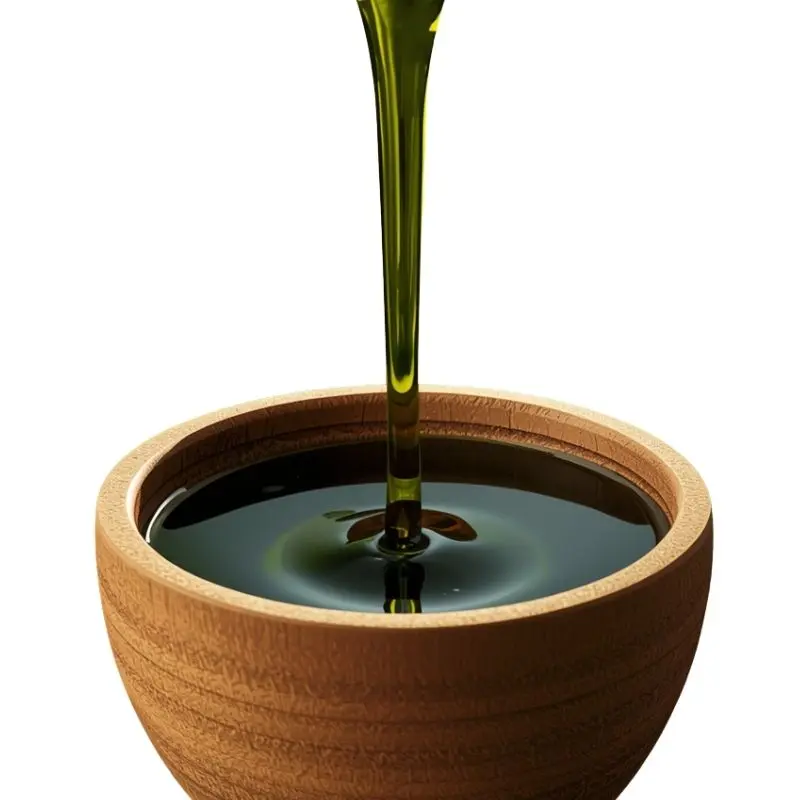
This is a macerated oil — cold-extracted lavender flowers in corn oil. Lavender essential oil is steam-distilled and primarily contains volatile compounds (mainly linalool and linalyl acetate) that evaporate from the skin quickly. The macerated oil delivers the same compounds in a lipid vehicle that allows sustained skin contact and prolonged activity, alongside additional non-volatile flavonoids and tannins from the flowers.
Lavender Flower Macerated OilAvailability: In stock