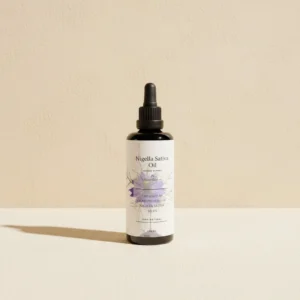
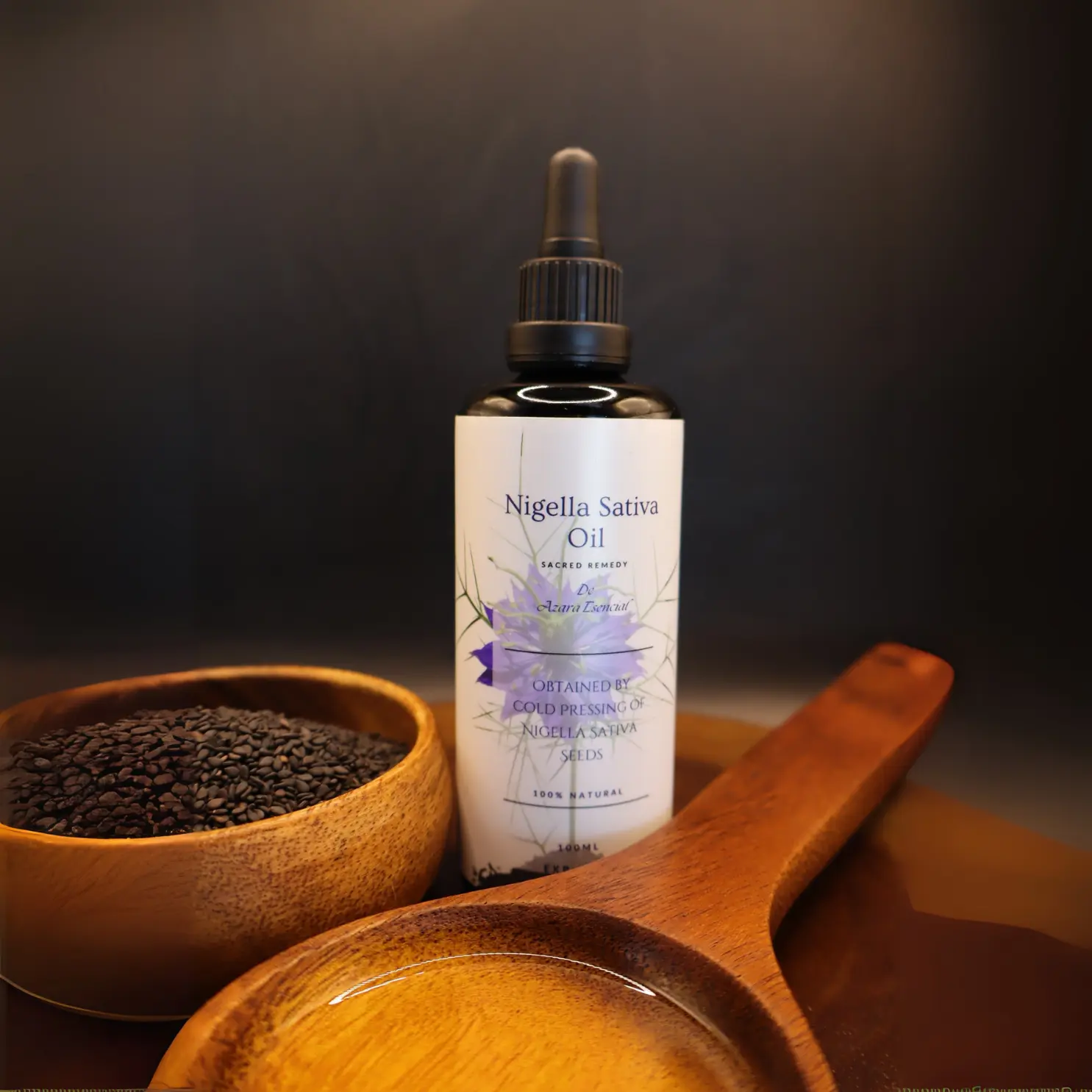
 Black Seed Cold pressed Oil (Nigella Sativa)
25,00 € inc. VAT
Availability: In stock (can be backordered)
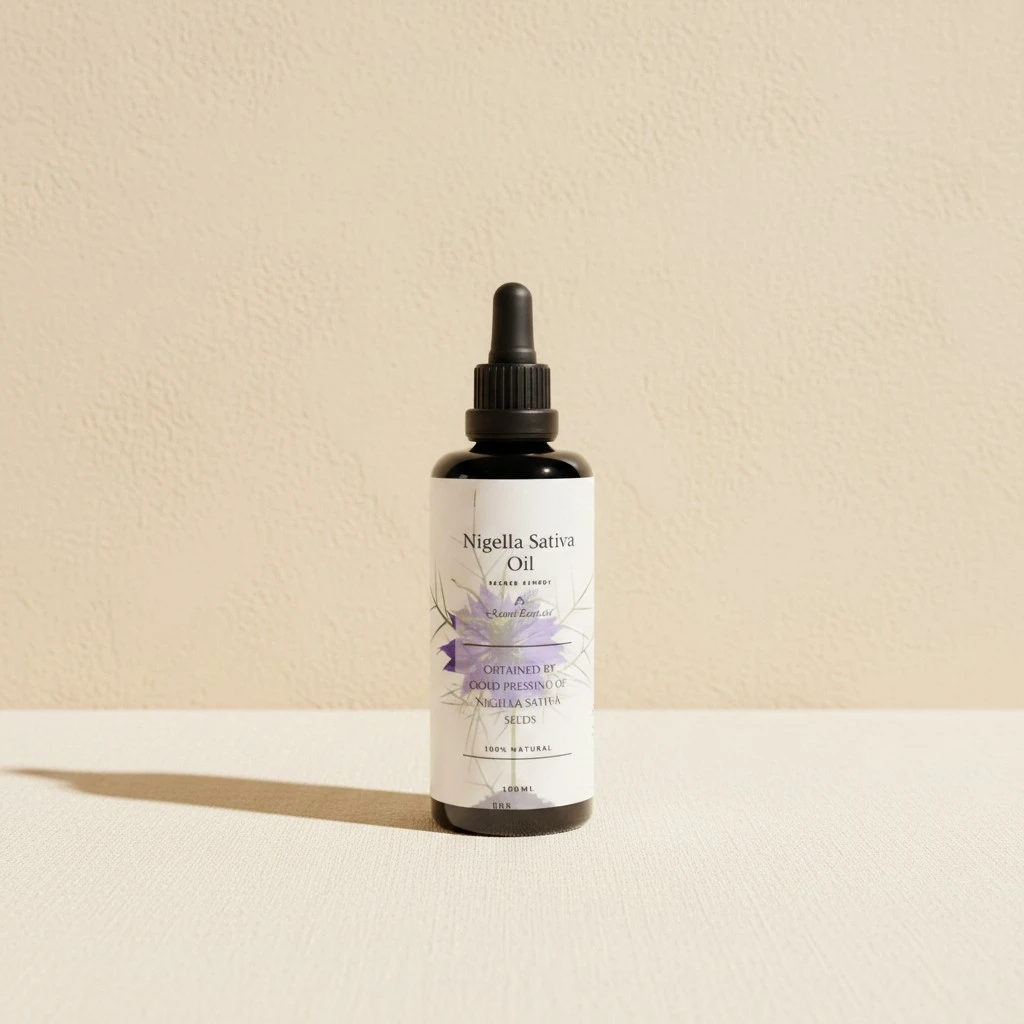
25,00 € inc. VAT
Availability: In stock (can be backordered)
Botanical origin
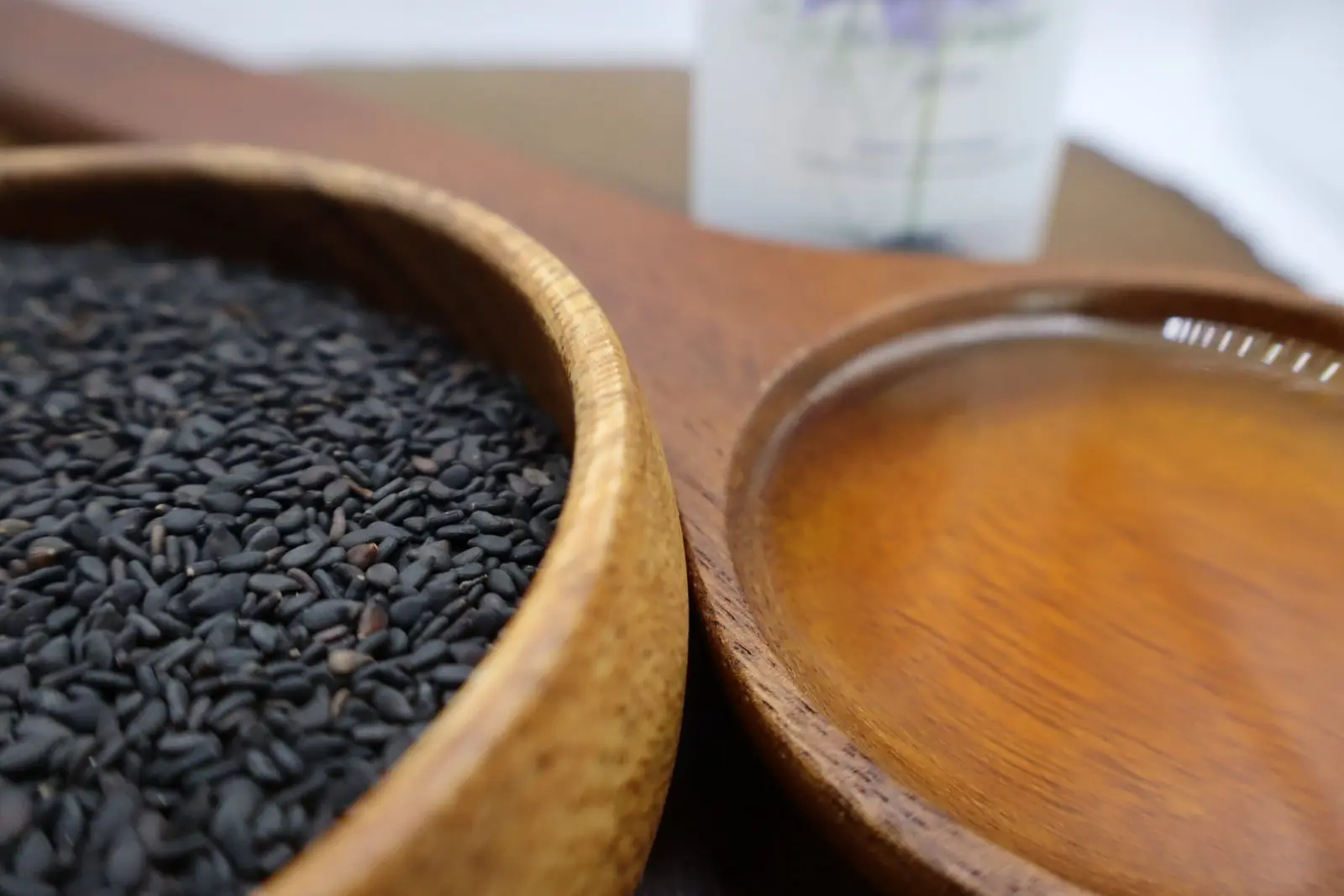
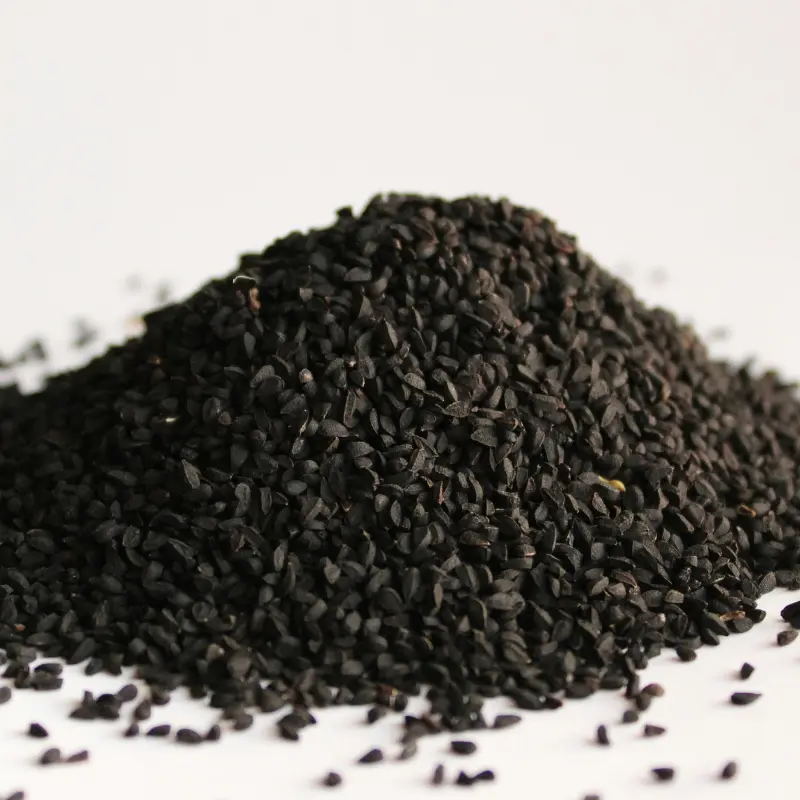
Nigella sativa — the black seed — is described in Islamic prophetic medicine as a cure for everything except death, and has been used in traditional medicine across the Middle East, North Africa and South Asia for over 2,000 years. Modern research has validated many of these traditional uses: thymoquinone, the primary bioactive compound in Nigella sativa, is one of the most extensively studied natural anti-inflammatory and antimicrobial compounds, with a PubMed literature comprising thousands of peer-reviewed studies. Azara Natural's black seed oil is cold-pressed from Syrian Nigella sativa seeds — a provenance that brings both authenticity and agricultural tradition to one of the most medicinally significant plant oils in human history.
Best for
Nigella sativa seeds from Syria — the "blessed seed" referenced in Islamic tradition and used in traditional medicine across the Middle East, North Africa and South Asia for over 2,000 years
Science
The primary bioactive compound of Nigella sativa — present at 27–57% of the seed's volatile fraction. Thymoquinone is a potent antioxidant and anti-inflammatory compound with documented inhibition of multiple inflammatory pathways. It also has documented antimicrobial and antifungal activity against skin-relevant organisms, making it particularly effective for blemish-prone and reactive skin.
A reduction product of thymoquinone with independently documented antioxidant activity. Thymohydroquinone contributes to the exceptional free-radical scavenging profile of black seed oil, complementing thymoquinone's activity at a different redox state.
Phenolic compounds with broad-spectrum antimicrobial and antiseptic activity. Thymol and carvacrol are particularly effective against the skin surface microorganisms associated with congestion and blemish formation, making black seed oil a botanically sound choice for oily and blemish-prone skin routines.
The primary fatty acids of Nigella sativa seed oil. Linoleic acid reinforces the skin's barrier integrity while oleic acid provides deep nourishment and supports the penetration of thymoquinone into the skin's upper layers where it exerts its anti-inflammatory and antimicrobial activity.
Application
Apply 1–2 drops on slightly damp skin after toner or hydrosol. Focus on the T-zone or blemish-prone areas. Alternatively, mix 1 drop into your regular moisturiser as a safer introduction for reactive skin. Use 3–6 nights per week.
For specific areas of concern: apply 1 drop directly to the area at night. Thymoquinone's anti-inflammatory and antimicrobial properties are most effective with consistent, targeted nightly application over several weeks.
Apply half to one dropper across the scalp, massage 3–5 minutes with circular movements, leave 30–60 minutes, then shampoo. Use 1–3 times per week for a more balanced, healthier-feeling scalp.
Ritual combinations
Black seed's thymoquinone and frankincense's boswellic acids both inhibit the inflammatory cascade — through different biochemical pathways. This combination provides dual-pathway anti-inflammatory support for reactive, stressed or mature skin. Apply frankincense first, seal with 1–2 drops of black seed oil.
View oil →Myrrh's sesquiterpenes and black seed's thymoquinone both interact with skin tissue through documented receptor mechanisms — myrrh via opioid receptors, thymoquinone via inflammatory enzyme inhibition. Together they form a potent botanical skin comfort and regeneration duo.
View oil →Lavender's linalool calms and soothes while black seed's thymoquinone addresses the underlying inflammatory response. For reactive, sensitive or blemish-prone skin that needs both immediate comfort and botanical treatment support.
View oil →From the journal
The thymoquinone science — why Nigella sativa's primary bioactive compound has thousands of peer-reviewed studies, its documented anti-inflammatory and antimicrobial mechanisms, and the significance of Syrian provenance for black seed quality.
Read the articleQuestions
Nigella sativa oil is particularly effective for blemish-prone, oily and reactive skin. Thymoquinone's anti-inflammatory and antimicrobial properties support a cleaner-looking, calmer complexion. Apply 1–2 drops at night on damp skin, focusing on blemish-prone areas, 3–6 times per week.
Yes — black seed oil supports a balanced, healthy scalp environment through thymoquinone's antimicrobial and anti-inflammatory properties. Use as a pre-wash scalp treatment 1–3 times per week. Mix with a lighter carrier oil if the viscosity is too heavy for your hair type.
Yes. Azara Natural's Nigella sativa oil is cold-pressed from Syrian black seeds — the same agricultural region where black seed cultivation and use in traditional medicine has continued for centuries. Syrian provenance is considered premium for Nigella sativa due to the region's long cultivation tradition and the characteristic phytochemical profile of Syrian-grown seeds.
Yes — for most skin types, nightly use is well tolerated. For reactive or sensitive skin, start with 1 drop mixed into moisturiser for the first week, then increase to neat application once tolerance is confirmed. A patch test before first use is always recommended.
Black Seed Cold pressed Oil (Nigella Sativa)Availability: In stock (can be backordered)