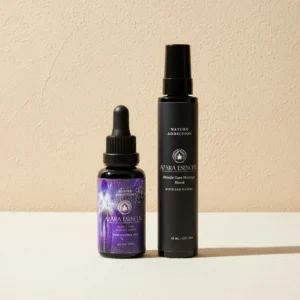
A two-step targeted muscle ritual — magnesium mineral mist first, warming botanical oil second — formulated with physiotherapists and chiropractors for post-exercise soreness, desk tension, and chronic muscle tightness
What is actually happening inside a sore or tight muscle
Understanding the biology clarifies why the ritual works — and why generic massage oils don’t.
Post-exercise soreness (DOMS): When muscle fibers are overloaded through eccentric exercise — running, heavy lifting, sudden exertion — microscopic tears occur in the fiber structure. The body responds with a localized inflammatory cascade: blood flow to the area increases, prostaglandins are released, inflammatory mediators including IL-1β, IL-6, and TNF-α amplify the response, and the characteristic ache of DOMS develops 24–72 hours after the triggering exercise. Simultaneously, calcium accumulates inside muscle cells, preventing full relaxation and producing the tightness that accompanies the soreness.
Desk tension and chronic tightness: Sustained isometric contraction — holding a posture for hours — creates a different but related problem. Muscles held in partial contraction without movement develop localized ischemia (reduced blood flow), metabolic waste accumulation, and progressive fascia stiffening. This is the mechanism behind the knot in the upper trapezius, the base-of-skull tension, and the low back tightness that doesn’t respond to rest alone.
Both conditions require the same two things working simultaneously: reduced inflammatory load, and improved local circulation to deliver oxygen and nutrients while clearing metabolic waste products. A topical ritual applied directly to the affected area addresses both more efficiently than a systemic approach for localized discomfort — which is the formulation logic behind this product’s format.
Why two steps — mist before oil — and why that sequence matters
The two-step sequence is not marketing structure. It reflects a physiological principle: tissue preparation before active compound delivery.
Phase 1 — Mineral Mist: The magnesium chloride, ginger, black pepper, and Dittrichia viscosa mist is applied first and massaged in for 1–2 minutes. This phase accomplishes three things simultaneously: it begins warming the superficial tissue with the ginger and camphor water-phase fractions; it initiates peripheral vasodilation with black pepper’s water-soluble piperine derivatives; and it delivers the magnesium mineral layer that begins conditioning the tissue before the oil arrives. Critically, this 1–2 minute massage with the mist also warms the skin mechanically — improving the oil’s absorption in Phase 2.
Phase 2 — Warming Oil Blend: Applied to tissue that has been warmed, hydrated, and primed by Phase 1. The lipid-soluble actives — gingerols, piperine, eugenol, allyl isothiocyanate, camphor — penetrate more effectively into warm, primed tissue than they would on cold, unprepared skin. The 5–10 minute massage that follows drives them deeper.
Phase 3 — Cloth Wrap: Covering the treated area with a warm cloth for 10–15 minutes after massage retains the thermal environment created by the warming compounds, extends the active absorption window, and allows the botanical compounds to continue migrating through tissue layers without further physical input. This step is consistently underused — and consistently where the difference between adequate and excellent results is made.
Applied without the mist, the oil still works. Applied in sequence with the mist and followed by the wrap, the system works at full capacity.
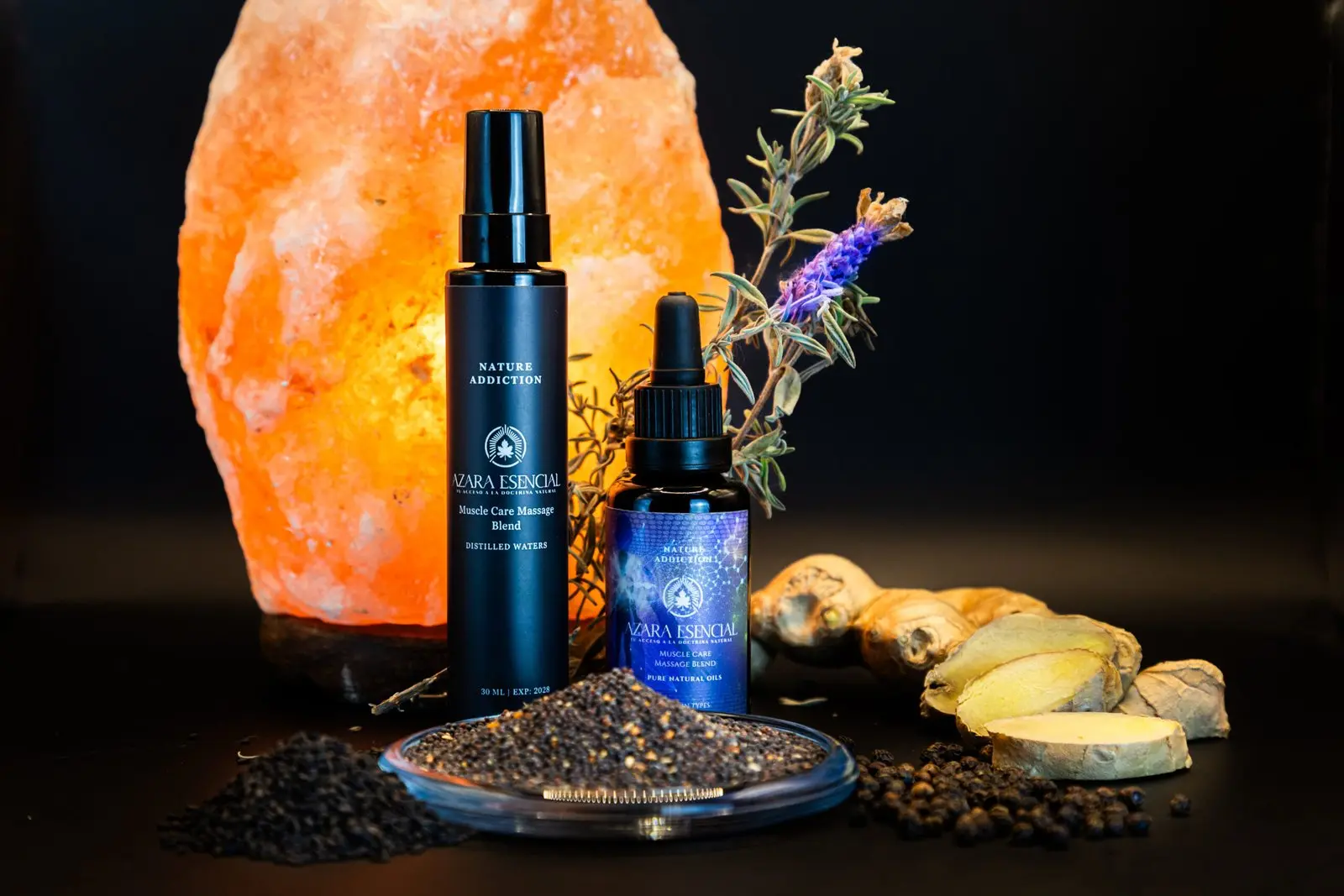
Ginger's evidence base for muscle pain: four randomized controlled trials on DOMS
Ginger is the most extensively clinically studied ingredient in this blend for muscle discomfort specifically — and the evidence base is stronger than most people realize.
A landmark study published in The Journal of Pain (Black & O’Connor, 2010) found that daily ginger consumption reduced muscle pain caused by eccentric exercise, with 6-gingerol and 6-shogaol specifically identified as COX-1 and COX-2 inhibitors — the same enzymatic pathway targeted by pharmaceutical NSAIDs like ibuprofen.
A PMC study on the acute effects of ginger extract on DOMS confirmed that gingerols and shogaols inhibit both the cyclooxygenase (COX) and lipoxygenase (LOX) pathways in prostaglandin and leukotriene synthesis, directly reducing the chemical signals responsible for exercise-induced muscle soreness.
A 2020 narrative review in Phytotherapy Research summarized 4 eligible RCTs on ginger for DOMS, finding consistent evidence for reduced inflammation following both oral and topical ginger administration. The review confirmed ginger modulates pain through multiple mechanisms: COX/LOX pathway inhibition, NF-κB transcription factor inhibition, antioxidant activity, and TRPV1 agonism.
The topical relevance: 6-shogaol applied topically in a murine skin model reduced iNOS and COX-2 protein levels on single application, confirming that the anti-inflammatory mechanism is active via the dermal route.
Ginger in this blend is not an aromatic additive. It is the primary anti-inflammatory active, working through the same COX pathway as pharmaceutical muscle pain relief — without the gastrointestinal risk associated with NSAID use.
The warming mechanism: TRPV1, counter-irritation, and why heat helps muscle recovery
Three ingredients in the blend activate TRPV1 receptors — the thermosensitive ion channels responsible for heat perception and the counter-irritant effect that interrupts deeper pain signaling.
White Mustard Seed Oil (Brassica alba): Allyl isothiocyanate, mustard’s primary warming compound, is one of the most potent TRPV1 activators in botanical phytochemistry. Applied topically to muscle tissue, it creates a pronounced warming sensation that serves two purposes: it interrupts the pain signals from deeper muscle tissue through the counter-irritant mechanism (a well-established principle in pain physiology — a controlled surface stimulus reduces the perception of deeper pain), and it simultaneously stimulates microvascular circulation in the applied area. This is the ingredient most responsible for the distinctive energizing, revitalizing quality the blend produces.
Camphor (Cinnamomum camphora): Activates both TRPV3 (warmth receptor in keratinocytes) and TRPV1, creating sustained, diffuse warmth that deepens and extends through the massage and cloth-wrap phases. Where mustard’s warmth is acute and pronounced, camphor’s is sustained and penetrating — the kind that carries through the 10 minutes of rest after massage.
Black Pepper Seed Oil (Piper nigrum): Piperine’s mechanism is primarily vasodilatory rather than TRPV1-mediated — it increases peripheral microcirculation through direct vasodilatory action, confirmed in a clinical study where topical black pepper oil improved vein visibility and palpability in patients. Better local circulation during and after muscle recovery means faster clearance of lactic acid and inflammatory metabolites — the chemistry behind what athletes describe as “flushing out” soreness.
Together, these three create a thermal and circulatory environment in the muscle tissue that is genuinely physiological — not just the sensation of warmth, but improved tissue conditions for recovery.
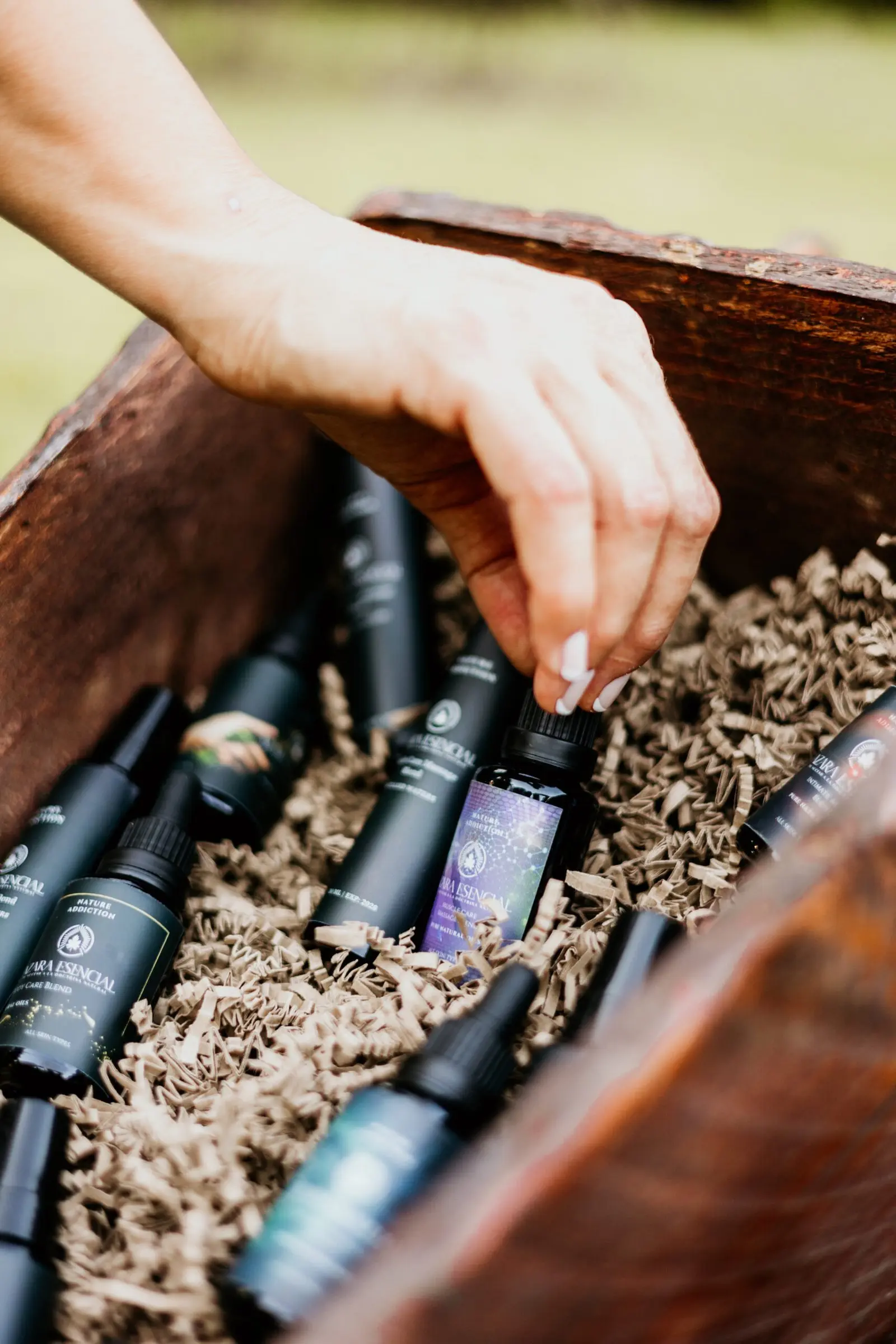
The Ingredients
Mineral Mist — Magnesium Chloride
MgCl₂Magnesium is involved in over 300 enzymatic processes including muscle contraction and relaxation regulation. Applied topically in mist form, magnesium chloride provides a localized mineral conditioning effect at the tissue surface — not systemic magnesium replenishment, but targeted mineral action at the site of application. The 1–2 minute massage after mist application enhances absorption. A foundation for the warming ritual that follows.
Mineral Mist — Ginger Distilled Water
Zingiber officinaleWater-soluble ginger fractions begin the preparatory warming and anti-inflammatory process before the oil arrives. Delivers lighter gingerol derivatives that initiate tissue warming and circulation priming in a gentle, non-irritating mist form. Sets the biological stage for the more concentrated ginger activity in Phase 2.
Mineral Mist — Black Pepper Distilled Water
Piper nigrumWater-soluble piperine derivatives begin peripheral vasodilation in the mist phase — contributing to the circulatory priming that makes Phase 2 more effective. The mist-phase vasodilatory effect is gentler than the oil phase; together they create a progressive circulatory opening across both steps of the ritual.
Mineral Mist — Dittrichia Viscosa Extract
Dittrichia viscosaKnown as "Job's healing plant" across the Mediterranean and Middle East — used specifically for muscular and joint discomfort for centuries in Spanish, and Levantine traditions. Flavonoids, sesquiterpenes, and triterpenoids with anti-inflammatory and tissue-calming properties. Delivers the mist's botanical anti-inflammatory layer alongside the mineral magnesium base.
Warming Oil — Black Pepper Seed Oil
Piper nigrumThe blend's primary circulation activator. Piperine produces peripheral vasodilation on topical application — confirmed clinically in a study showing significant improvement in vein visibility and palpability with topical black pepper oil (PubMed: 23153036). Better local circulation during recovery means faster clearance of lactic acid, CO₂, and inflammatory mediators from the tissue. Creates immediate warmth that is therapeutic, not merely sensory.
Warming Oil — Ginger Root Oil
Zingiber officinaleThe primary anti-inflammatory active. Gingerols and shogaols inhibit COX-1 and COX-2 — the same enzymes targeted by ibuprofen and aspirin — and the LOX pathway, reducing prostaglandin and leukotriene synthesis that drives muscle soreness. Four RCTs confirm ginger's effectiveness for DOMS (PubMed: 32436242). Topical application of 6-shogaol confirmed anti-inflammatory action via dermal route (PMC: 8232759). Deep, sustained warmth that penetrates beyond surface tissue into the muscle itself.
Warming Oil — Lavender Oil
Lavandula angustifoliaThe moderating compound — essential for balance and tolerability. Linalool's GABA-A receptor interaction reduces the nervous system's stress-driven contribution to muscle tension and makes the blend's warming compounds feel comfortable rather than overwhelming (systematic review: PMC 10671255). Without lavender, the combination of mustard, camphor, black pepper, and ginger would be too intense for most users on sensitive areas. With it, the blend is effective and broadly tolerable across different skin types.
Warming Oil — White Mustard Seed Oil
Brassica albaThe most potent TRPV1 activator in the blend. Allyl isothiocyanate creates pronounced surface warmth through TRPV1 receptor activation — both interrupting deeper pain signals through the counter-irritant mechanism and stimulating microvascular circulation in the applied area. The ingredient most responsible for the blend's energizing, revitalizing quality. At this concentration — calibrated for therapeutic warming without irritation — it revitalizes fatigued muscle tissue with a sensation of renewed warmth and mobility.
Warming Oil — Camphor Extract
Cinnamomum camphoraActivates TRPV3 and TRPV1 receptors, creating sustained, penetrating warmth that extends and deepens through the massage and cloth-wrap phases. Where mustard's warmth is acute and pronounced at the surface, camphor's is sustained and diffuse — the kind that carries through 10–15 minutes of post-massage rest. The cloth wrap amplifies this effect significantly by retaining the thermal environment camphor creates.
Warming Oil — Radish Seed Oil
Raphanus sativusThe delivery vehicle — lightweight, fast-absorbing, with a silicone-like slip that makes focused deep-tissue massage possible without excessive friction. Erucic acid content improves dermal permeability, enhancing the penetration of the warming active compounds. If the other oils are the medicine, radish seed oil is the mechanism that delivers them to the tissue that needs them.
Warming Oil — Cold-Pressed Coconut Oil
Cocos nuciferaThe conditioning carrier — medium-chain fatty acids provide smooth, sustained massage glide for the 5–10 minute focused application. Protects the skin barrier during firm, repeated massage strokes, ensures uniform distribution of warming actives across the target area, and adds the conditioning layer that leaves the skin comfortable after the intensity of the warming ritual.
The Ritual
Identify the specific target area
This blend is for targeted application — not full-body. Identify the specific muscle or zone: calves, thighs, lower back, neck and upper trapezius, shoulders, forearms. The concentrated actives work best applied to the area that actually needs them, not distributed across the whole body.
Spray the Mineral Mist directly onto the target area
Hold 15–20cm from the skin and apply evenly over the affected muscle zone. Do not spray the whole body — focus the mist on the specific target area. Apply enough to visibly dampen the skin surface.
Massage the mist in for 1–2 minutes
Slow, firm circular movements over the target area. This begins the tissue warming and circulation-priming process, and the mechanical warmth from the massage itself improves oil absorption in the next step. The magnesium, ginger, and black pepper water-phase compounds are active during this phase.
Apply 4–6 drops of the Warming Oil to the target area
Dispense directly onto the mist-dampened skin over the target muscle. Do not warm between palms first — apply directly and let the skin's warmth and the massage activate the compounds.
Massage firmly for 5–10 minutes
Firm, slow, deliberate pressure — not light stroking. This is the most important step. The massage simultaneously drives the oil's warming compounds into the muscle tissue and stimulates local microcirculation, improving both the delivery of active compounds and the clearance of metabolic waste. Maintain consistent pressure throughout. Ten minutes is the minimum for meaningful tissue-level effect.
Cover with a warm cloth and rest for 10–15 minutes
This step is where most of the deeper tissue benefit happens. A warm (not hot) cloth wrapped around the treated area retains the thermal environment created by the warming compounds and extends the active absorption window. The camphor, mustard, and ginger continue penetrating while you rest. Do not skip this — it is what separates an adequate result from an excellent one.
The Muscle Care Blend is a targeted two-step system — not a general massage oil. The mineral mist and warming oil blend work in sequence, applied directly to the specific muscle zone that needs intervention. The set contains both phases and the complete ritual.
Get Your Muscle Care BlendWhat to Expect
Frequently Asked Questions
DOMS (delayed onset muscle soreness) is driven by a localized inflammatory cascade following eccentric exercise — prostaglandin release, cytokine activity, and microscopic fiber damage produce the characteristic 24–72 hour soreness. Muscle tightness from postural or desk tension is driven by sustained isometric contraction, ischemia, and progressive fascia stiffening — a different mechanism. The Muscle Care Blend addresses both: ginger’s COX inhibition reduces the prostaglandin-driven soreness of DOMS, while the warming and circulatory compounds (black pepper, mustard, camphor) improve the local blood flow and tissue mobility that resolves tension-pattern tightness.
Not directly comparable — they are different delivery formats and different concentrations. What is accurate: gingerols and shogaols inhibit COX-1 and COX-2 enzymes through the same biochemical pathway as ibuprofen and aspirin, and four randomized controlled trials on ginger for DOMS found consistent evidence for reduced inflammation with both oral and topical administration (PubMed: 32436242). The advantage of topical application is targeted local delivery without the gastrointestinal risk associated with regular NSAID use. The botanical approach is complementary to, not a replacement for, pharmaceutical pain relief when the latter is clinically indicated.
Yes — a lighter application (2–3 drops of oil following the mist) to areas prone to soreness 30 minutes before training prepares muscle tissue and supports circulation. The most effective application is post-exercise on warm skin when absorption is highest and the muscle most receptive to the anti-inflammatory compounds. Pre-training use is beneficial; post-training use is where the evidence base is strongest.
Standard sports massage oils are carrier oils with menthol or capsaicin — providing temporary surface cooling or warming but no meaningful anti-inflammatory mechanism. The Muscle Care Blend contains ginger root oil with documented COX/LOX inhibition across four DOMS-specific RCTs, black pepper piperine with clinically confirmed vasodilatory action, and a two-phase mist-and-oil system developed with physiotherapists specifically for targeted muscle discomfort. The formulation logic, the two-step sequence, and the active compound selection are all specific to muscle tissue recovery.
It is the most consistently underused step — and consistently where the difference between adequate and excellent results is made. The cloth wrap retains the thermal environment created by the warming compounds after the massage ends, extending the window during which camphor, mustard, and ginger continue migrating through the tissue. The compounds are still actively penetrating during the 10–15 minute rest period. Skipping the wrap leaves the majority of the deeper tissue benefit on the table.
Yes. The Muscle Care Blend targets the muscle tissue surrounding and supporting a joint; the Joint Care Blend targets the joint capsule, synovial environment, and the peri-articular tissue. For conditions where both muscle and joint involvement are present — knee pain with quadriceps tension, shoulder pain with rotator cuff involvement — using both in sequence (muscle first, joint second, or on alternate sessions) addresses complementary tissue layers. They are formulated to be compatible and non-competing.
Perform a patch test on the inner forearm before first use, particularly if you have sensitivities to warming botanicals. The lavender oil in the blend is specifically included to moderate the intensity of the warming compounds and make the formula more broadly tolerable — but individual responses to TRPV1-activating compounds (mustard, camphor, black pepper, ginger) vary. Starting with a smaller amount on less sensitive areas is a sensible first approach.