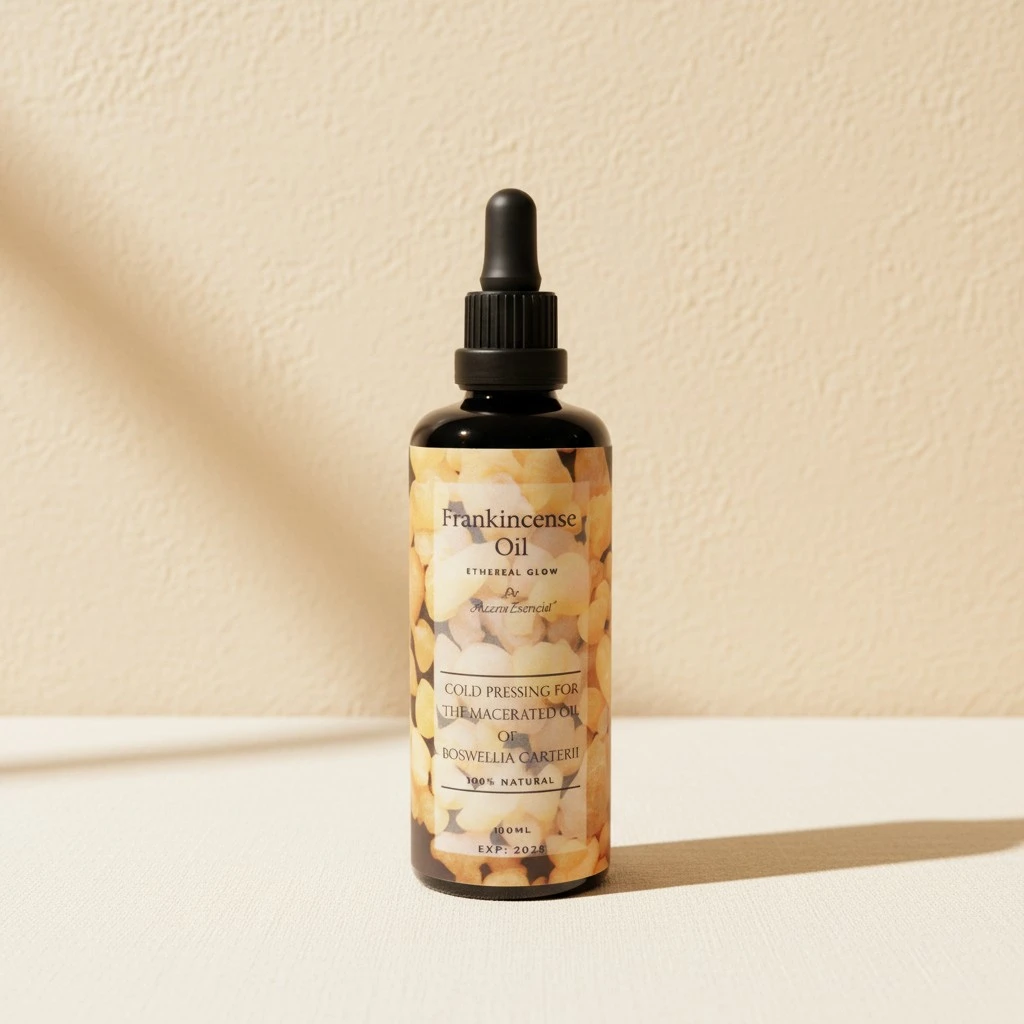
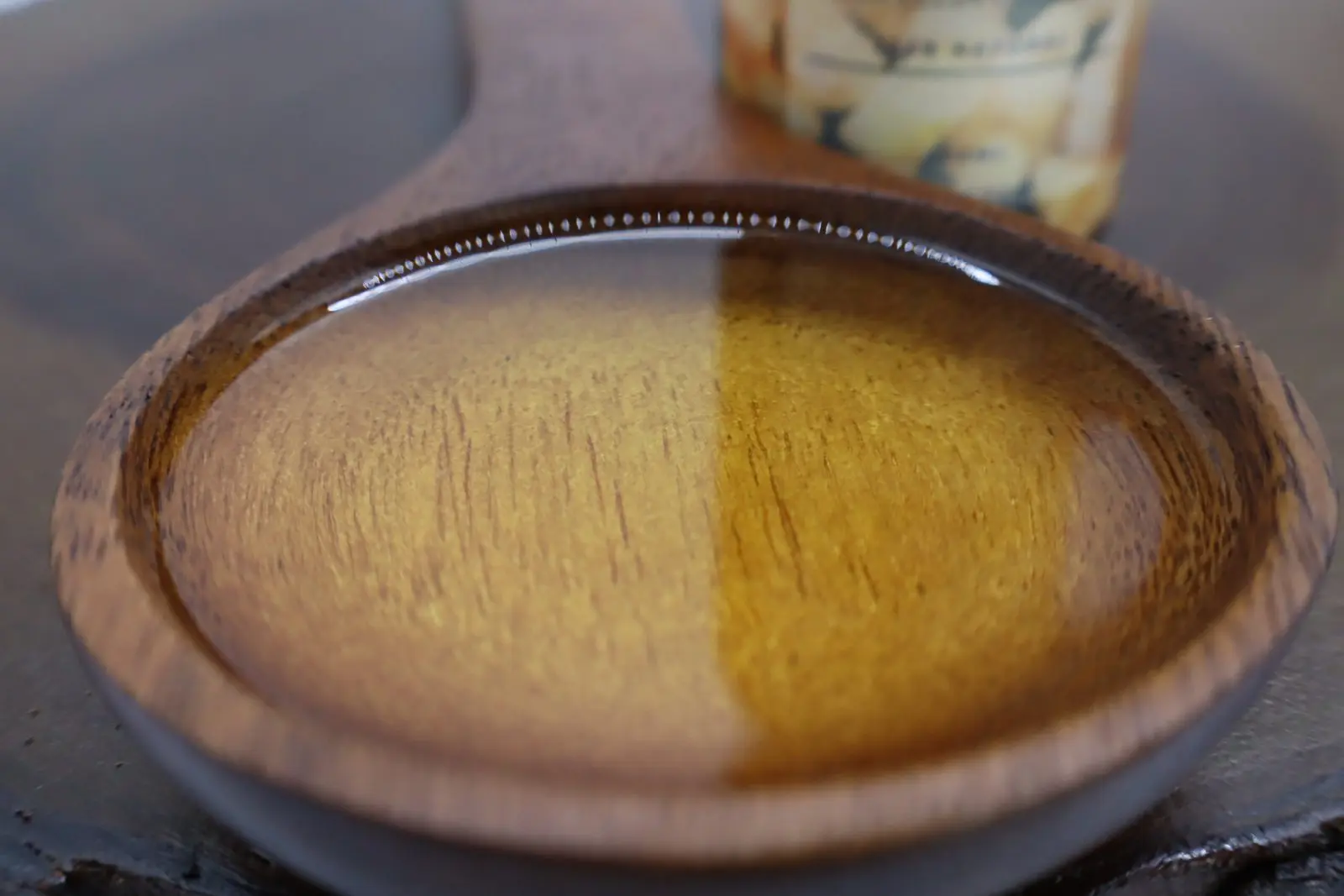
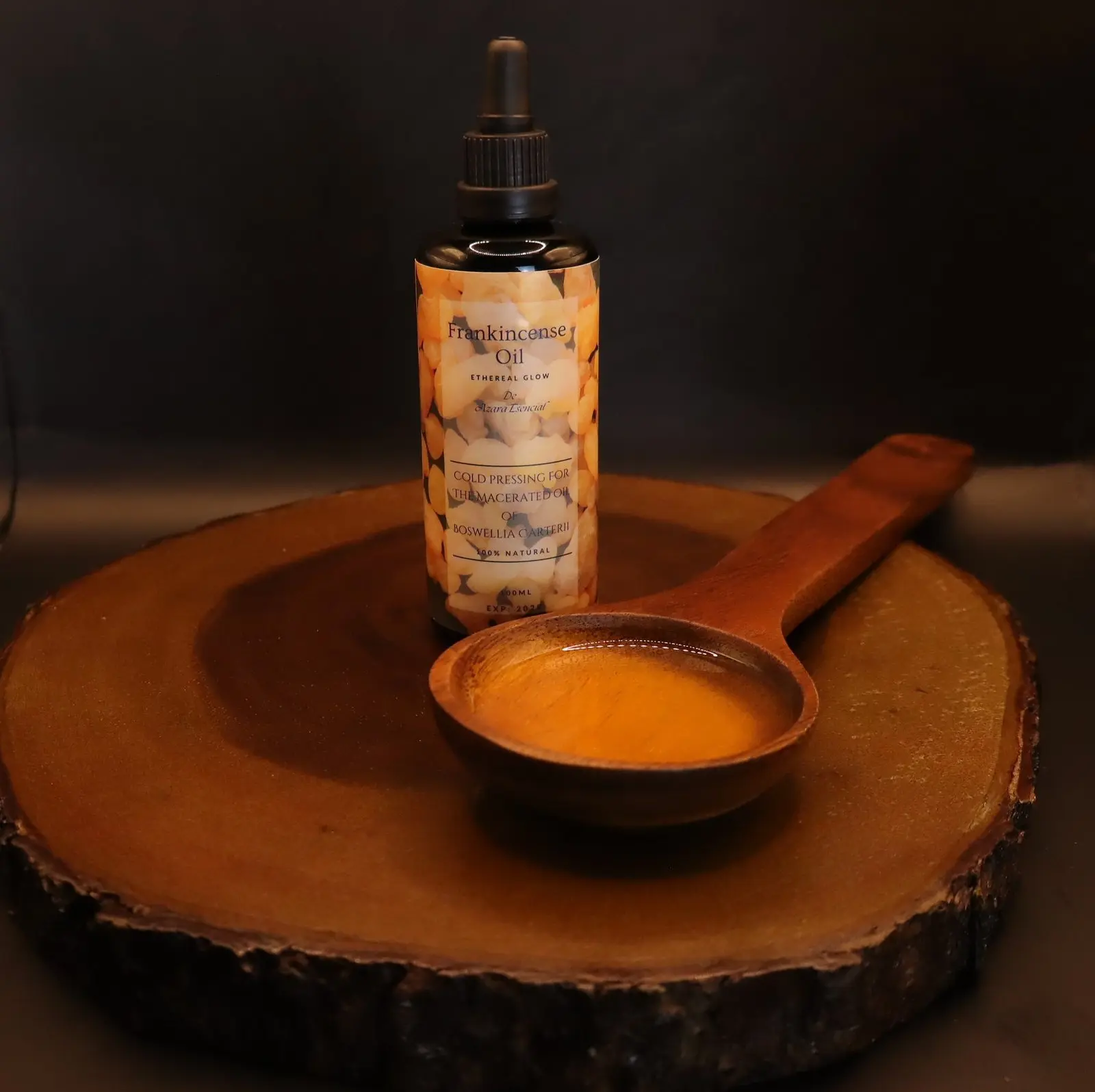
 Frankincense Resin Macerated Oil
25,00 € inc. VAT
Availability: In stock

25,00 € inc. VAT
Availability: In stock
Botanical origin
Most "frankincense oil" on the market is essential oil — steam-distilled and excellent for aroma, but fundamentally different from the resin-based preparations used historically. Essential oil extraction captures volatile monoterpenes responsible for the scent. What it does not capture are boswellic acids — the large, lipophilic resin compounds with documented inhibition of 5-lipoxygenase and matrix metalloproteinases (MMP-3 and MMP-9). These are the compounds responsible for frankincense's anti-inflammatory and collagen-preserving properties, and they are entirely absent in any distilled oil. Azara Natural's frankincense oil is a genuine 8+ week resin maceration in soybean oil — not a detail, but a scientific requirement. Boswellic acids are high-molecular-weight molecules that need a minimum of 8 weeks to fully migrate from the resin matrix into the oil base. Nothing shorter delivers them at meaningful concentrations.
Best for
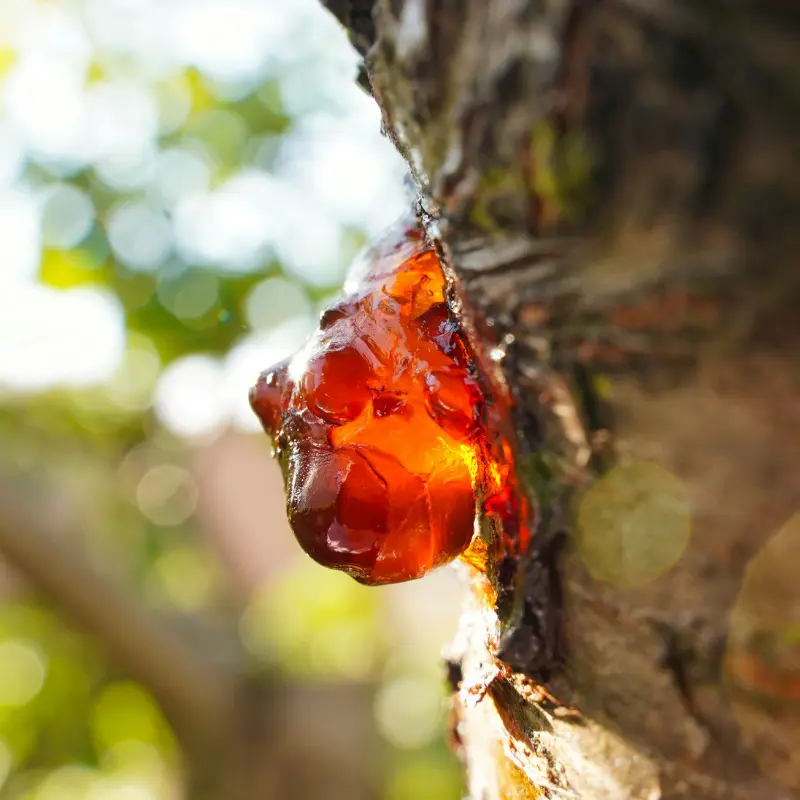
Boswellia carterii resin — harvested from wild Boswellia trees in the Horn of Africa and Arabian Peninsula, traded since antiquity as one of the world's most precious botanical resins
Science
The defining actives of frankincense resin — entirely absent in frankincense essential oil. Boswellic acids, particularly AKBA (acetyl-11-keto-β-boswellic acid), are potent inhibitors of 5-lipoxygenase (5-LOX) and matrix metalloproteinases MMP-3 and MMP-9 — the enzymes responsible for breaking down existing collagen in the dermal matrix. Consistent use actively supports the preservation of the skin's structural collagen and visibly supports firmness.
Diterpene compounds with documented anti-inflammatory and neuroprotective properties. Research published in The FASEB Journal identified incensole acetate as an activator of TRPV3 ion channels — associated with warmth perception and emotional regulation. This gives frankincense a measurable neurological dimension that contributes to the ritual's calming and grounding effect.
Bicyclic monoterpenes with antimicrobial properties and the characteristic balsamic aromatic note of the oil. They contribute to the overall skin-balancing action and complement the heavier boswellic acid compounds with a lighter, surface-active antimicrobial presence.
Natural phenolics from Boswellia resin provide broad antioxidant activity against free radicals and oxidative stress — one of the primary biological mechanisms driving visible skin ageing from UV, pollution and internal metabolic processes.
Application
Apply 2–3 drops to slightly damp skin after toner or hydrosol. The dampness improves absorption of lipophilic boswellic acids. Massage upward with gentle pressure for 45–60 seconds, focusing on forehead, nasolabial folds and jawline.
Use nightly for 6–8 consecutive weeks — boswellic acids work cumulatively to support the visible appearance of firmness and elasticity. Consistency is more important than quantity per application.
Apply 3–4 drops for excellent slip. Work the gua sha tool or fingers for 3–5 minutes. The medium viscosity provides ideal resistance — sufficient glide for tool movement, sufficient grip for deep tissue work. The incensole acetate compounds contribute a calming effect during the ritual.
Ritual combinations
Frankincense and myrrh inhibit 5-LOX through two distinct molecular pathways — covering the inflammatory cascade simultaneously. This is the scientific explanation behind their combined use in traditional medicine for 4,000 years. Together they form the most complete natural anti-inflammatory skin ritual available from resin macerates.
View oil →Rose's surface brightening and polyphenol antioxidant protection complements frankincense's deeper collagen-preserving and 5-LOX inhibiting action. Apply frankincense first as a treatment layer, seal with 1–2 drops of rose for radiance and emotional harmony.
View oil →Black seed's thymoquinone and frankincense's boswellic acids both inhibit inflammatory pathways from different directions — a potent anti-inflammatory duo for reactive, redness-prone or stressed skin that needs both calming and structural support.
View oil →From the journal
Why 8 weeks of maceration is the scientific minimum for meaningful boswellic acid extraction — the biochemistry of AKBA, 5-LOX inhibition, MMP-3/9 inhibition, and why no frankincense essential oil can deliver these compounds.
Read the articleQuestions
Frankincense essential oil is produced by steam distillation and contains primarily volatile monoterpenes (alpha-pinene, limonene). Boswellic acids — the anti-inflammatory and collagen-supporting compounds — are high-molecular-weight, resin-bound molecules that cannot survive distillation. They are only extracted through extended maceration in a lipid carrier. AKBA is completely absent in any frankincense essential oil.
Boswellic acids work cumulatively on the skin's inflammatory and structural processes. Visible improvement in firmness and skin texture typically appears after 4–6 weeks of consistent nightly use. For maximum MMP-3/9 inhibition and collagen support, continue use for 8+ consecutive weeks.
Yes — apply retinol or acid exfoliants first, allow to absorb, then apply the frankincense oil as a final nourishing step. The boswellic acids' anti-inflammatory properties actually complement the microinflammation generated by retinol, supporting faster-looking skin recovery.
Yes — it is an excellent gua sha oil. Its medium viscosity provides sufficient slip for the tool to glide without excessive slide, and enough grip for meaningful pressure on the tissue. Apply 3–4 drops and work for 3–5 minutes. The ritual produces the best results with consistent use 3 times per week.
Boswellic acids are large lipophilic molecules. Their migration from the solid resin matrix into the liquid oil carrier is a slow diffusion process. Research and production experience show that meaningful concentrations require a minimum of 8 weeks. A 2–3 week maceration simply does not extract boswellic acids at therapeutic concentrations — regardless of the quality of the resin.
Frankincense Resin Macerated OilAvailability: In stock