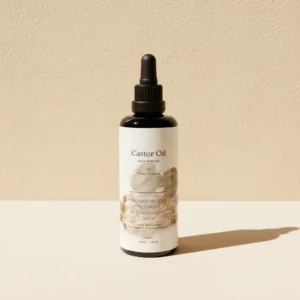
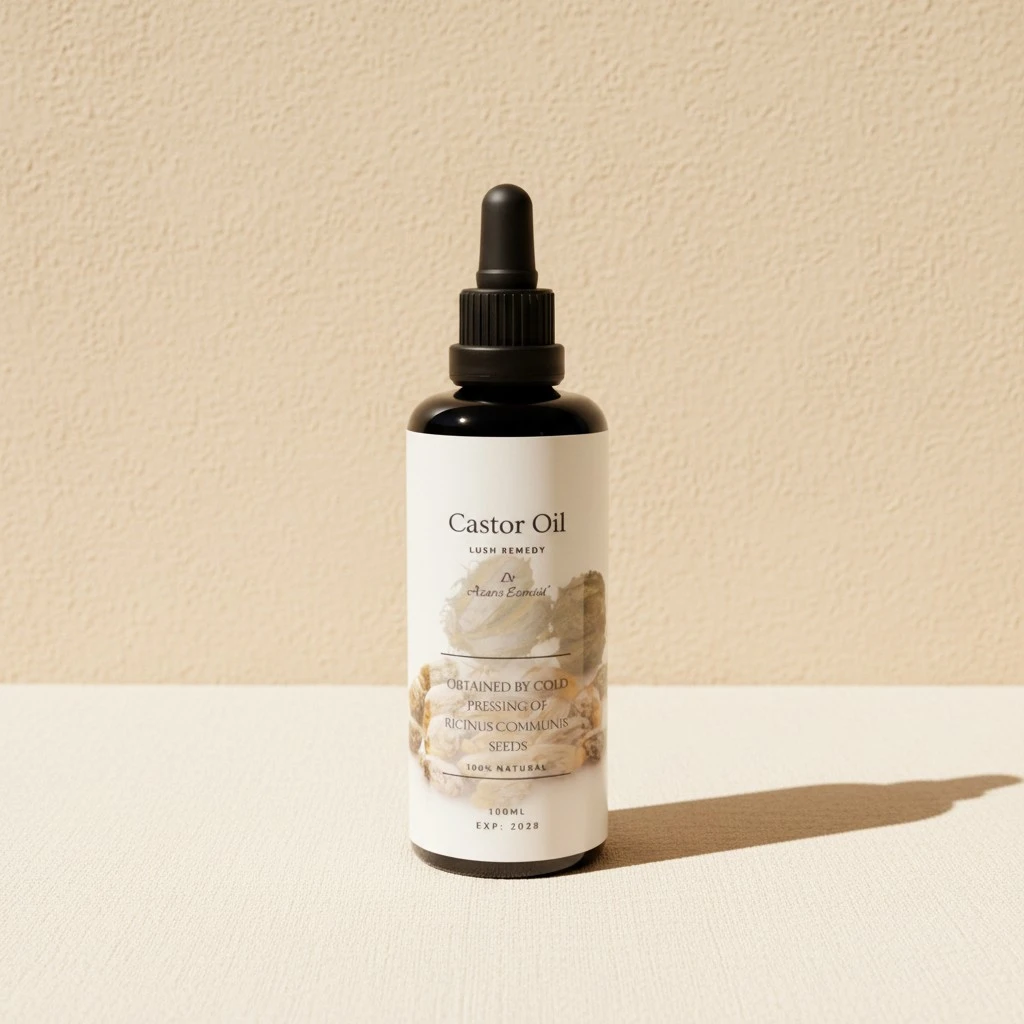
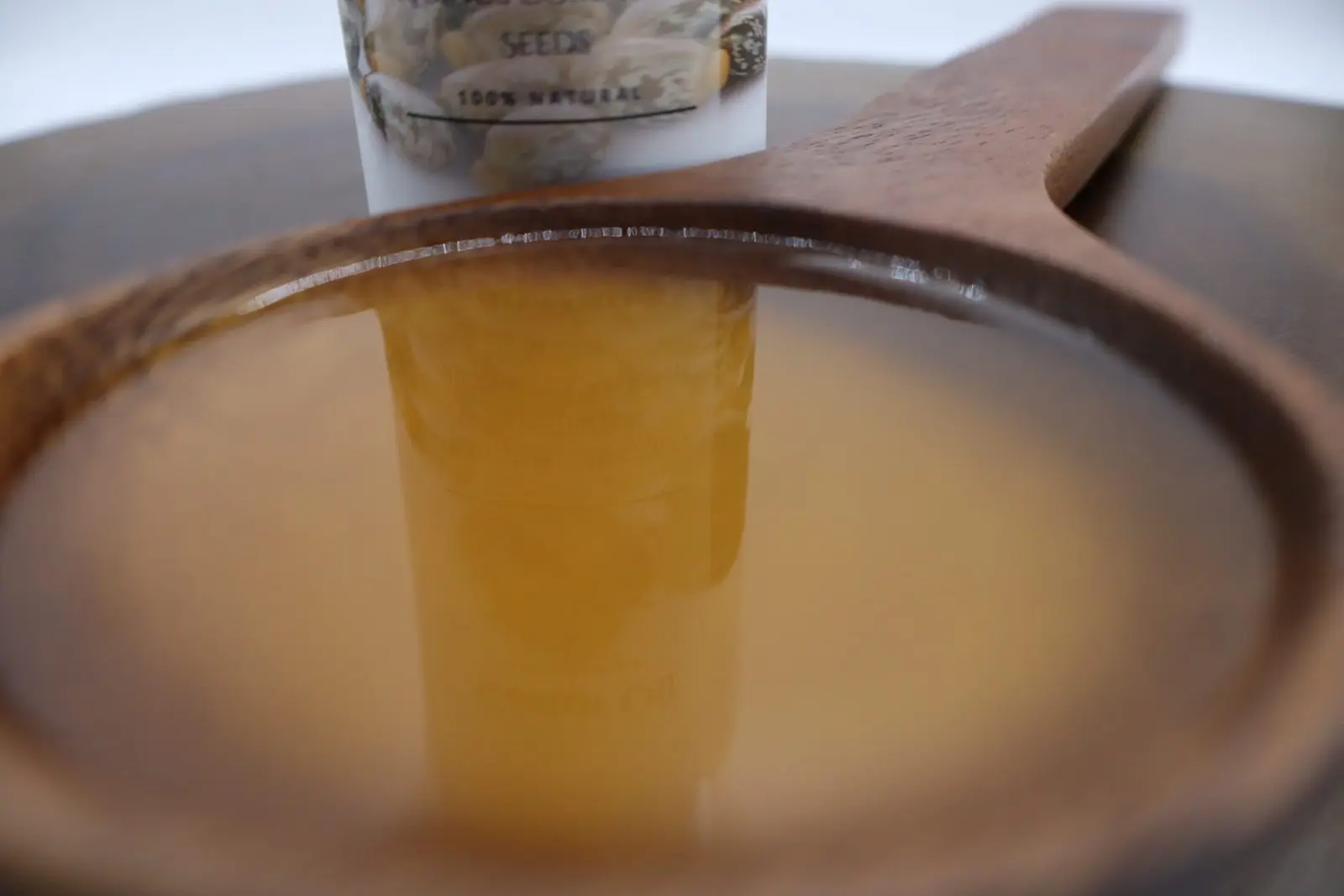
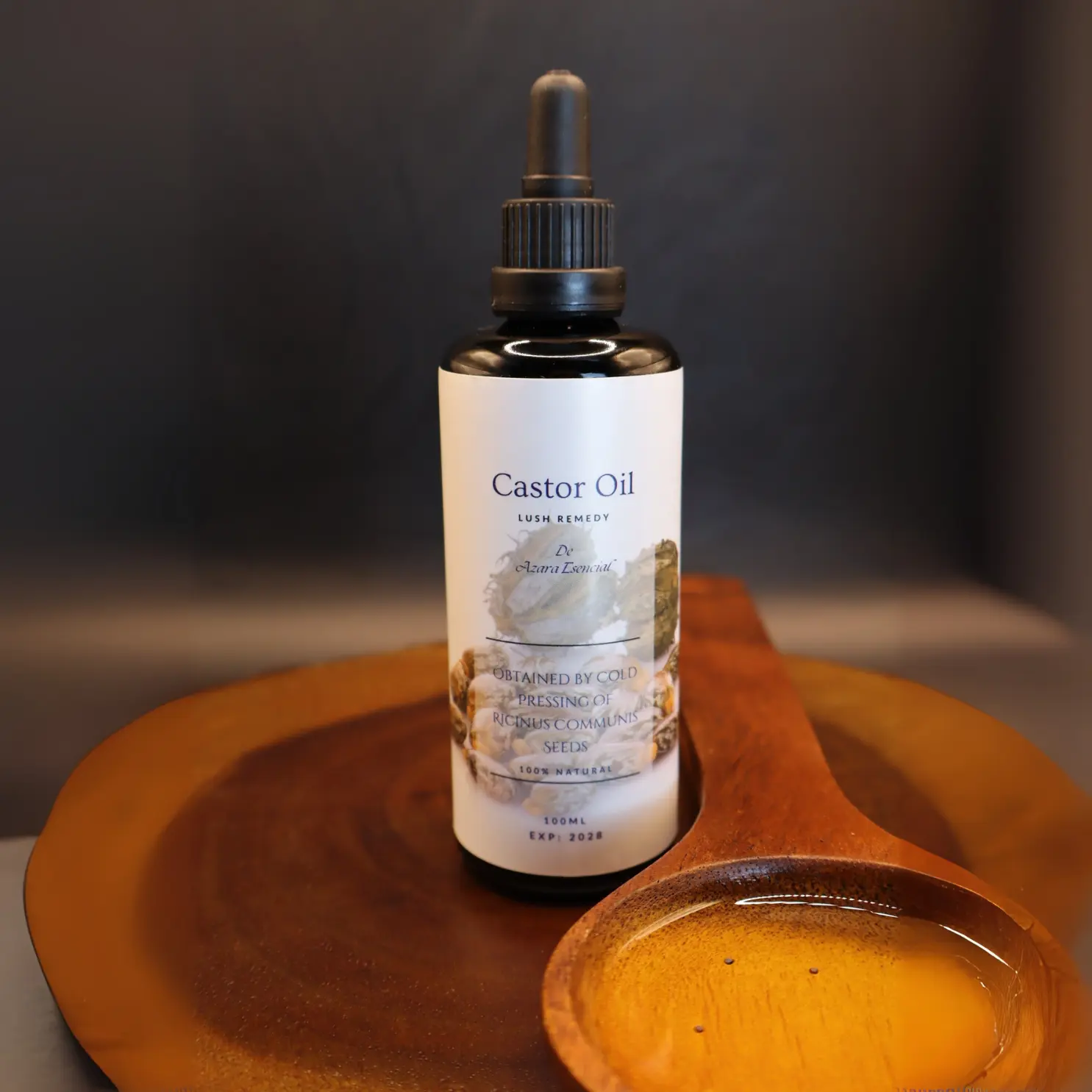
 Castor Seed Cold Pressed Oil
16,00 € inc. VAT
Availability: In stock
16,00 € inc. VAT
Availability: In stock
Botanical origin
Castor oil (Ricinus communis) has been used as a cosmetic and medicinal oil for over 6,000 years — documented in ancient Egyptian medical texts and used across traditional medicine systems in Africa, Asia and the Mediterranean. The defining characteristic of castor oil is its exceptional ricinoleic acid content — 85–90% of its total fatty acid profile — a concentration unmatched by any other commonly available plant oil. Ricinoleic acid is a unique hydroxyl fatty acid with documented antimicrobial, anti-inflammatory and circulation-stimulating properties. Its molecular structure also gives castor oil its characteristic thick viscosity, which allows it to coat the hair shaft, condition the scalp follicle, and deliver intensive nourishment to extremely dry skin areas with a persistence that lighter oils cannot match.
Best for
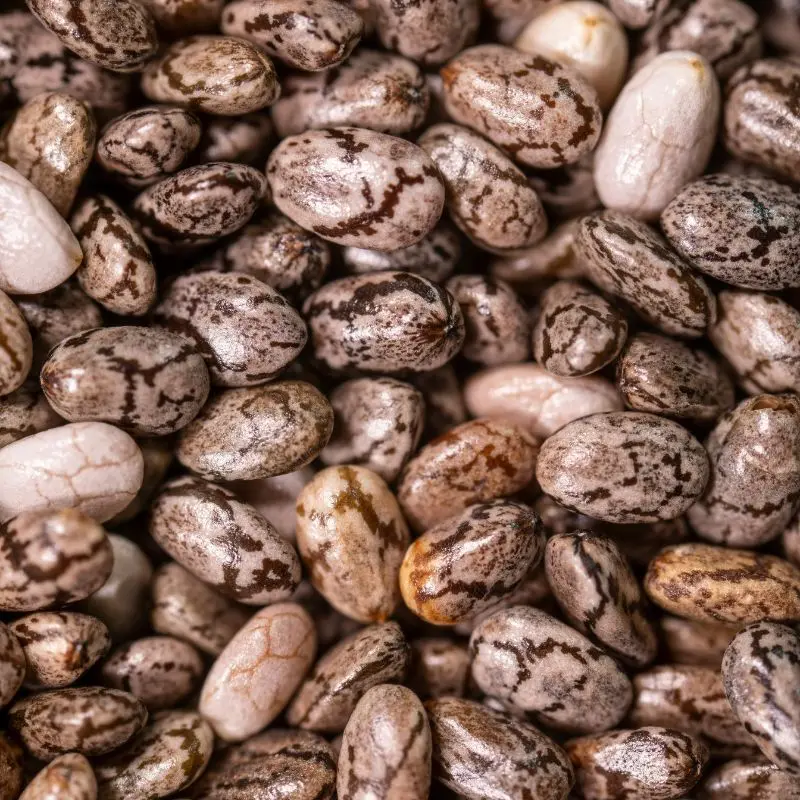
Ricinus communis seeds — native to Africa and Asia, widely cultivated across tropical and subtropical regions, used as a medicinal and cosmetic oil for over 6,000 years
Science
The defining and unique fatty acid of castor oil — a hydroxyl fatty acid found at meaningful concentrations in no other widely available plant oil. Ricinoleic acid has documented antimicrobial activity, anti-inflammatory properties, and the ability to stimulate local circulation. Its hydroxyl group gives castor oil its characteristic viscosity and exceptional conditioning ability.
Natural vitamin E provides antioxidant protection at the hair follicle and skin cell level — protecting against the oxidative stress that degrades follicle function and accelerates visible ageing of the scalp and surrounding skin.
In addition to ricinoleic acid, castor oil contains oleic acid and other omega-9 fatty acids that contribute to deep nourishment of the skin and hair. These compounds penetrate into the deeper layers of dry or compromised skin and provide long-lasting conditioning.
Plant sterols with documented anti-inflammatory and cell-regeneration-supporting properties. Phytosterols contribute to castor oil's ability to support the natural healing appearance of damaged skin areas — including cracked heels, rough elbows and nail borders.
Application
Apply a very small amount using a clean spoolie brush through lashes and brows each night before sleep. Use consistently for at least 8–12 weeks to assess the conditioning effect. Keep away from the waterline and avoid getting the oil into the eye itself.
Dilute 1:1 with a lighter oil (Sweet Almond or Rosemary works well). Apply to the scalp, massage firmly for 3–5 minutes, leave 30–60 minutes, then shampoo thoroughly. Castor oil's viscosity requires 2 shampoo washes for full removal.
Apply a thin layer to heels, elbows, hands or cuticles at night. For cracked heels: apply generously, cover with cotton socks overnight. The ricinoleic acid conditioning effect builds progressively with nightly use.
Ritual combinations
The most popular natural hair density combination: castor oil's ricinoleic acid conditioning and follicle nourishment paired with rosemary's circulatory stimulation and documented hair-density supporting compounds. Blend 1:1 for an intensive scalp treatment, or alternate on different nights.
View oil →Castor and onion are a powerful hair density duo — castor provides the follicle nourishment and ricinoleic acid conditioning while onion's quercetin and organosulfur compounds support scalp circulation and the follicle environment. Used consistently, this is one of the most complete natural hair growth ritual combinations.
View oil →Sweet almond is the ideal dilution carrier for castor oil, lightening its viscosity for comfortable full-scalp and body application. A 1:3 castor:almond blend creates a versatile all-purpose hair and body oil that retains castor's conditioning power without the heaviness of neat castor oil.
View oil →From the journal
The ricinoleic acid science — why castor oil's dominant fatty acid is unlike any other plant oil, how its hydroxyl group gives it conditioning properties unmatched by other botanical oils, and 6,000 years of documented use.
Read the articleQuestions
Castor oil is one of the most widely used natural oils for lash and brow conditioning. The ricinoleic acid deeply conditions the follicle and lash fibre, which may support stronger-looking, fuller-appearing lashes and brows over time. Apply nightly with a clean spoolie for at least 8–12 weeks to assess results.
Castor oil is too thick to use neat on the scalp for most people. Dilute 1:1 or 1:2 with a lighter oil (Sweet Almond, Rosemary or Coconut). Apply to the scalp, massage 3–5 minutes, leave 30–60 minutes, then shampoo twice. Use 1–2 times per week for hair density and scalp nourishment.
Castor oil's exceptional viscosity comes from its ricinoleic acid content — a hydroxyl fatty acid whose polar -OH group creates stronger intermolecular attractions between the fatty acid chains. This is the same molecular feature that gives castor oil its unique conditioning and adhesion properties.
Yes — castor oil is one of the most effective plant oils for intensive dry skin treatment. Apply to heels, elbows, hands and cuticles after showering. For cracked heels, apply generously and wear cotton socks overnight. The ricinoleic acid provides sustained deep conditioning that lighter oils cannot match.
Castor Seed Cold Pressed OilAvailability: In stock