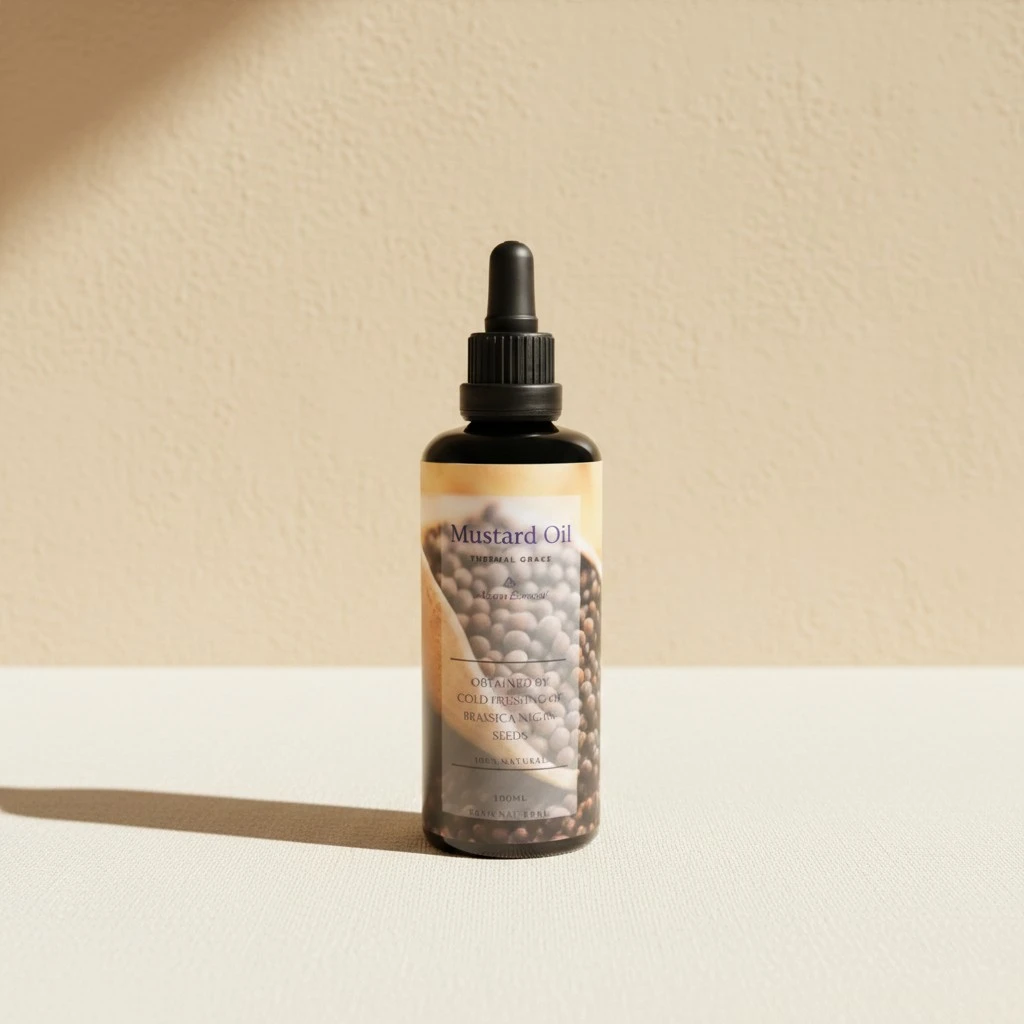
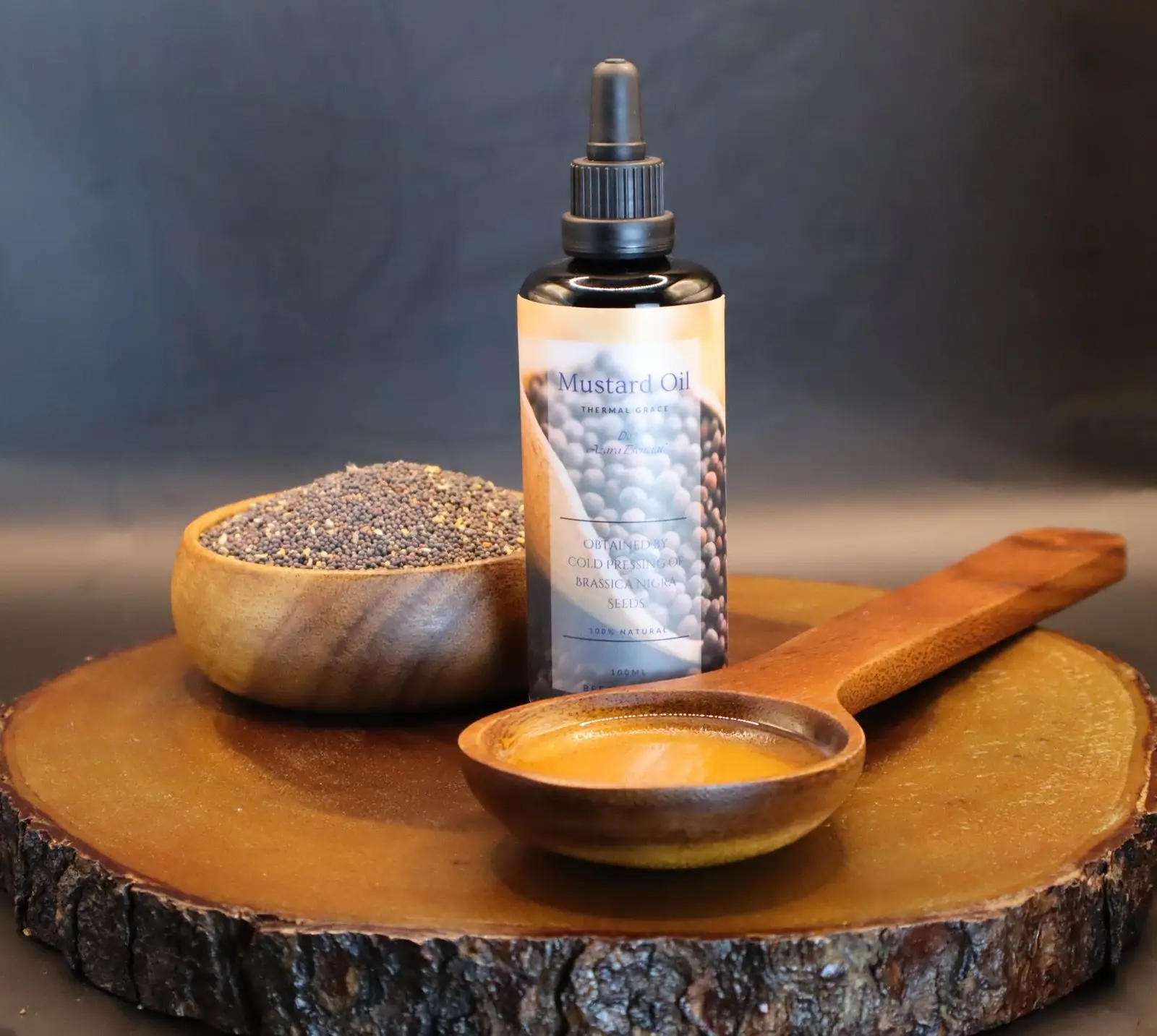
 Mustard Cold Pressed Oil
20,00 € inc. VAT
Availability: In stock
20,00 € inc. VAT
Availability: In stock
Botanical origin
Mustard seed oil (Brassica nigra) has been prized as a warming therapeutic botanical across Syria, India and the Ayurvedic tradition for millennia. Cold-pressed from black mustard seeds, this 100% unrefined oil preserves the full activity of sinigrin — a glucosinolate that converts to allyl isothiocyanate on skin contact, the compound responsible for mustard's documented circulatory-stimulating and TRPV1-activating warming effect. This is not simply a sensory warmth — allyl isothiocyanate activates the same thermoreceptor pathway as capsaicin, generating genuine peripheral vasodilation that improves local blood flow. Combined with essential fatty acids and vitamin E from the unrefined cold-pressed oil, this is a powerful botanical for warming massage, muscle and joint area support, and scalp circulation.
Best for
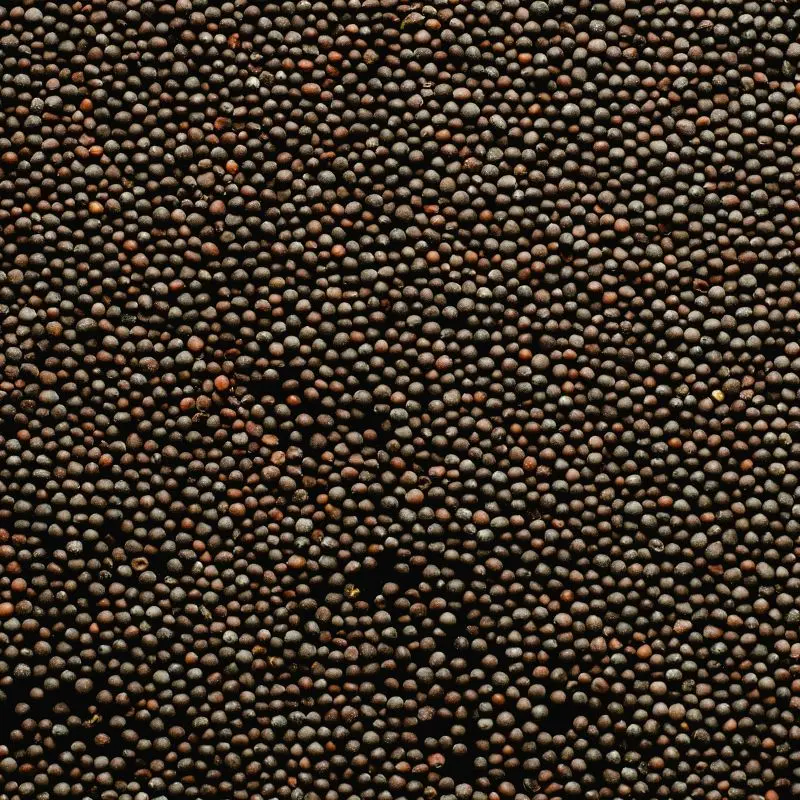
Brassica nigra seeds — known as "black mustard", long considered a golden oil for general health across Syria, India and the Mediterranean
Science
Sinigrin is the primary glucosinolate in Brassica nigra. When the oil contacts the skin, sinigrin breaks down to allyl isothiocyanate — a potent TRPV1 receptor activator. TRPV1 activation generates the characteristic warming sensation and stimulates peripheral vasodilation, improving local blood circulation in the application area.
The dominant fatty acids in mustard oil. Erucic acid (omega-9) provides deep nourishment to the skin and hair fibre, while oleic acid improves the penetration of other active compounds and contributes to the oil's smooth, conditioning texture on skin.
Natural tocopherols in cold-pressed mustard oil provide antioxidant protection against free radical damage and oxidative stress — supporting long-term skin health and preventing the lipid oxidation that can degrade oil quality and skin barrier function.
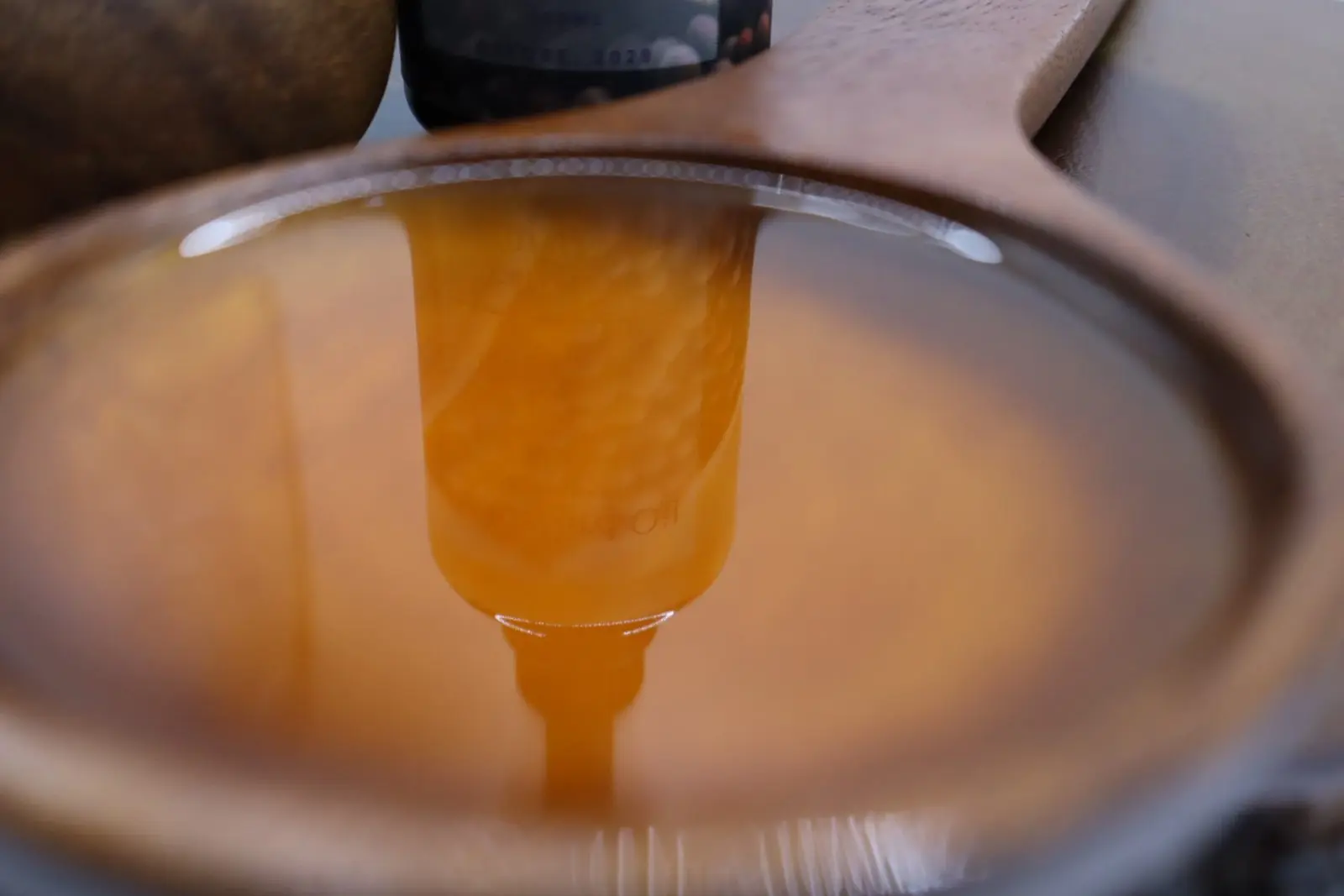
Natural carotenoids contribute additional antioxidant protection and are responsible for the characteristic amber colour of unrefined mustard oil. They work synergistically with vitamin E to provide comprehensive cellular protection against oxidative stress.
Application
Mix 10 ml of mustard oil with 20 ml of a base oil (Sweet Almond or Sesame work well). Apply through deep massage on tense or sore areas — shoulders, back, legs. The warming sensation is normal and expected.
Mix 5 drops into a tablespoon of carrier oil. Massage into the scalp with circular motions for 5–10 minutes to stimulate circulation. Leave 30–60 minutes then shampoo thoroughly (2 washes usually needed).
Apply a small diluted amount to large muscles before physical activity. The TRPV1 warming effect prepares tissue and may support the warm-up process before exercise.
Ritual combinations
Sweet almond is the ideal dilution carrier for mustard oil — its hypoallergenic profile and light texture create a perfectly balanced warming massage blend that delivers mustard's circulatory benefits without skin irritation.
View oil →Mustard and ginger oil create one of the most potent warming massage combinations available from pure botanical sources. Both activate TRPV1 receptor pathways — together they generate a deep, sustained thermogenic effect ideal for post-activity and muscle tension rituals.
View oil →A powerful trio of warming botanicals: mustard's allyl isothiocyanate, ginger's gingerols, and black pepper's piperine all support peripheral circulation through complementary mechanisms. Blend all three in a light carrier for an intensive warming ritual.
View oil →From the journal
The TRPV1 receptor science behind mustard oil's warming effect — how sinigrin converts to allyl isothiocyanate and why this ancient warming botanical has documented circulatory and antimicrobial activity.
Read the articleQuestions
Mustard oil contains sinigrin, which converts to allyl isothiocyanate on skin contact. This compound activates TRPV1 receptors — the same thermoreceptor pathway involved in the perception of heat and the counter-irritant effect — generating genuine peripheral vasodilation and a warming sensation. This is a real receptor mechanism, not simply a fragrance effect.
Mustard oil is not recommended as a primary facial oil. Its warming and stimulating properties are better suited to body and scalp applications. For oily skin spot treatment, it can be used very sparingly, heavily diluted — but patch testing is essential.
The warming effect typically builds during massage and lasts 20–40 minutes after application. Some people experience a gentle residual warmth for longer. This is normal and is the TRPV1 activation effect, not an irritation reaction.
Yes — mustard oil is traditionally used in India and Syria for scalp stimulation and hair health. Always dilute with a carrier oil before scalp application. The circulatory-stimulating effect supports a more nourished scalp environment with consistent weekly use.
Mustard Cold Pressed OilAvailability: In stock