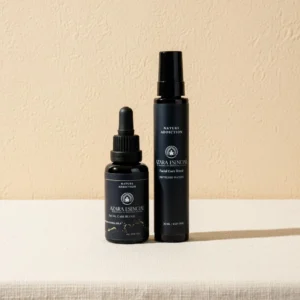
Why the right oil can make oily skin look calmer, not greasier, and what two years of using these oils on my own face taught me.
Oil on oily skin: why the fear makes sense, and why I think it's misplaced
Most mainstream skincare advice tells people with oily skin to stay away from oils. I think that’s simply wrong. The problem isn’t oil itself; it’s the kind of oil most people try. Cheap refined oils sit on the surface, leave a heavy, shiny film and do nothing good for how your skin looks or feels.
A high-quality, unrefined oil behaves differently. In my experience, when you choose the right oil or blend, skin tends to look more balanced: less shiny when it’s oily, more comfortable when it’s dry. That’s also why I recommend blends over single oils in almost every case. Different oils complement each other, and the result on the skin is simply better.
There’s also an interesting observation from skin research: the sebum of acne-prone skin has been found to contain less linoleic acid, a fatty acid that some cold-pressed oils, such as black seed oil, are naturally rich in. It’s not a promise, but it helps explain why “oily skin” and “oil” don’t have to be enemies.
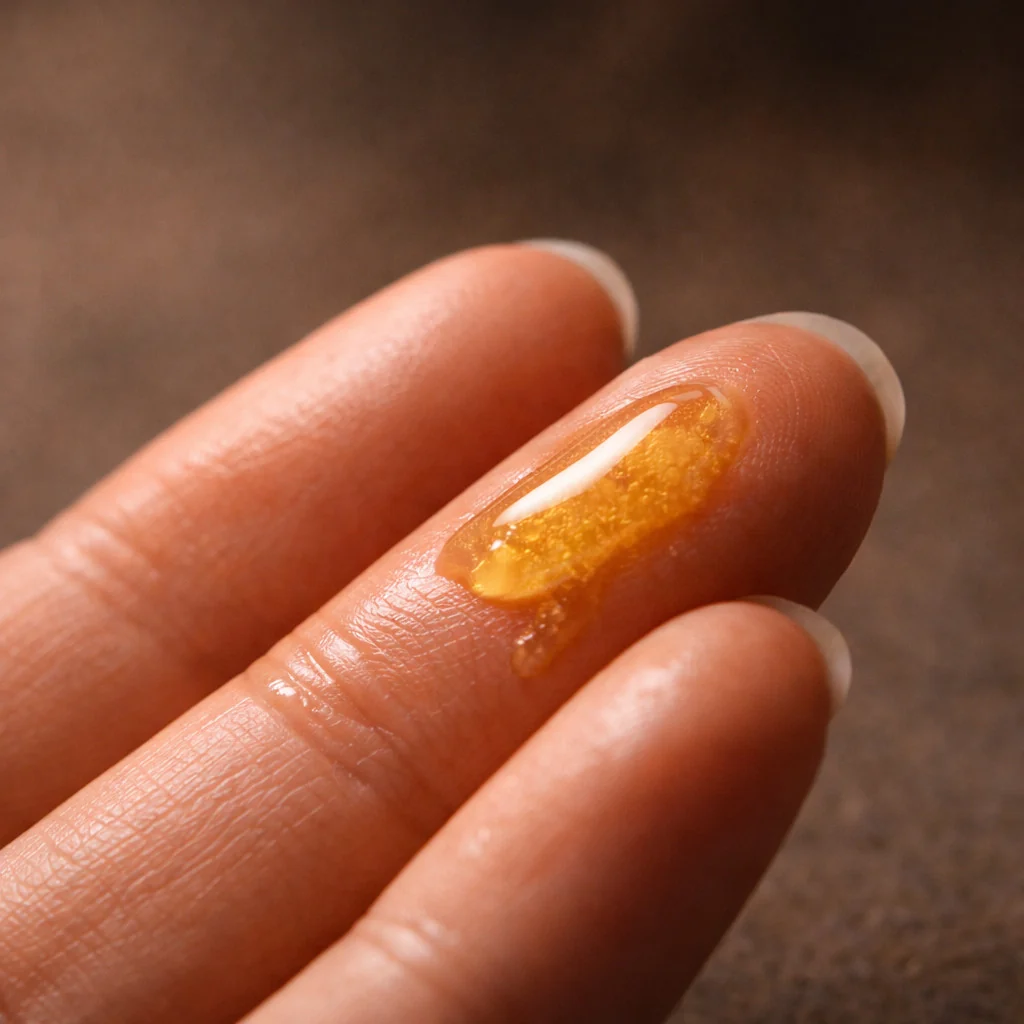
My picks: a blend first, then black seed and frankincense
When someone with oily, breakout-prone skin asks me what to use, my first answer is always our Facial Care blend. If they want a single oil, this is my order:
Black seed oil (cold-pressed). Used every day, most people notice a difference in how oily their skin looks within about a week. And right after the massage, the skin already feels a little less oily.
Frankincense resin macerate. You feel this one immediately: skin feels very soft, with a finish close to matte.
Sesame oil (cold-pressed). My third single-oil choice: light and easy to work with.
Whichever you choose, apply it on slightly damp skin. It’s a small detail that changes how the oil absorbs and how your skin feels afterwards.
What happens before the oil reaches your bottle
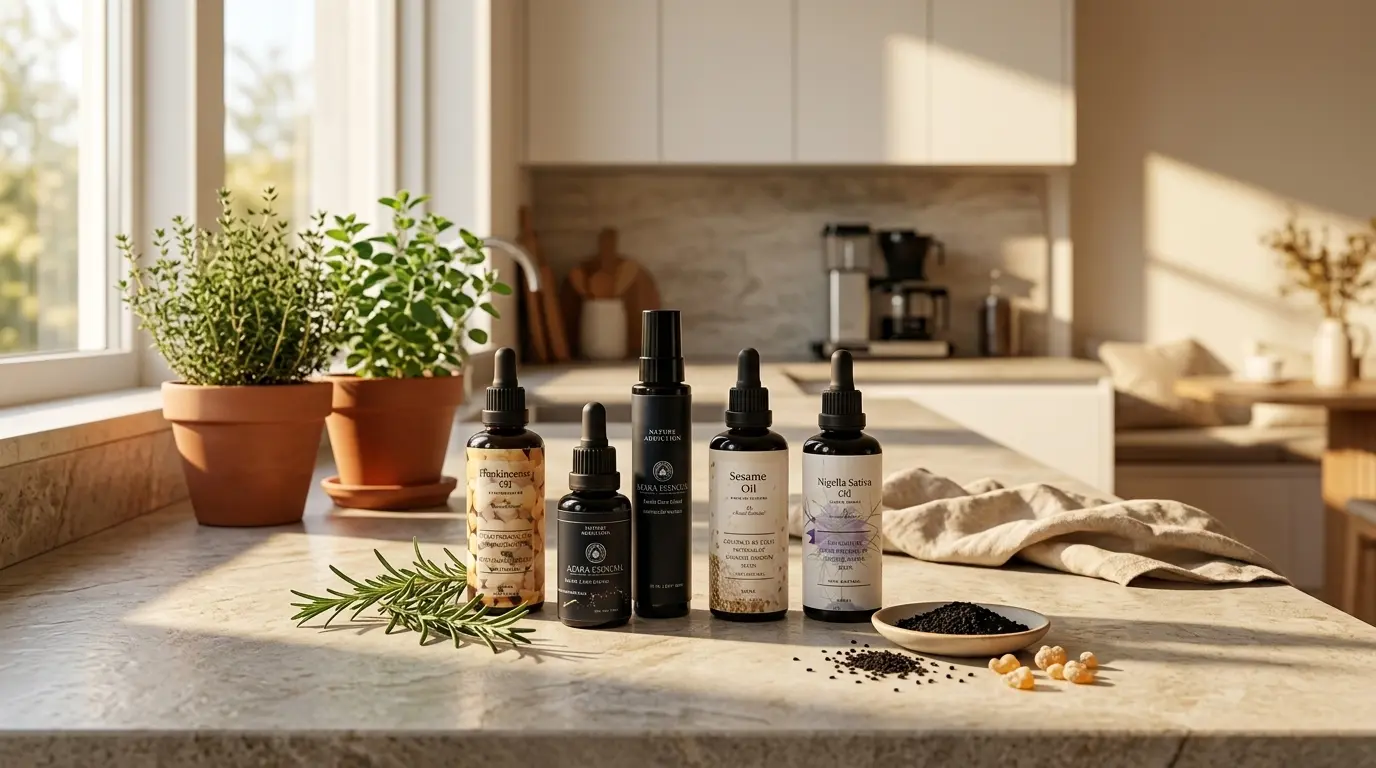
Quality starts long before pressing. Our black seeds are of Levantine origin, from a region known for some of the finest black seed in the world. Before pressing, every seed is cleaned of dust and impurities and dried completely, down to zero humidity. This step matters more than most people think, both for the quality of the oil and for its shelf life. We then press on a custom-modified machine that never lets the oil go above 45 °C. (I’ll be filming this machine with our next batch, so you can see it for yourself.)
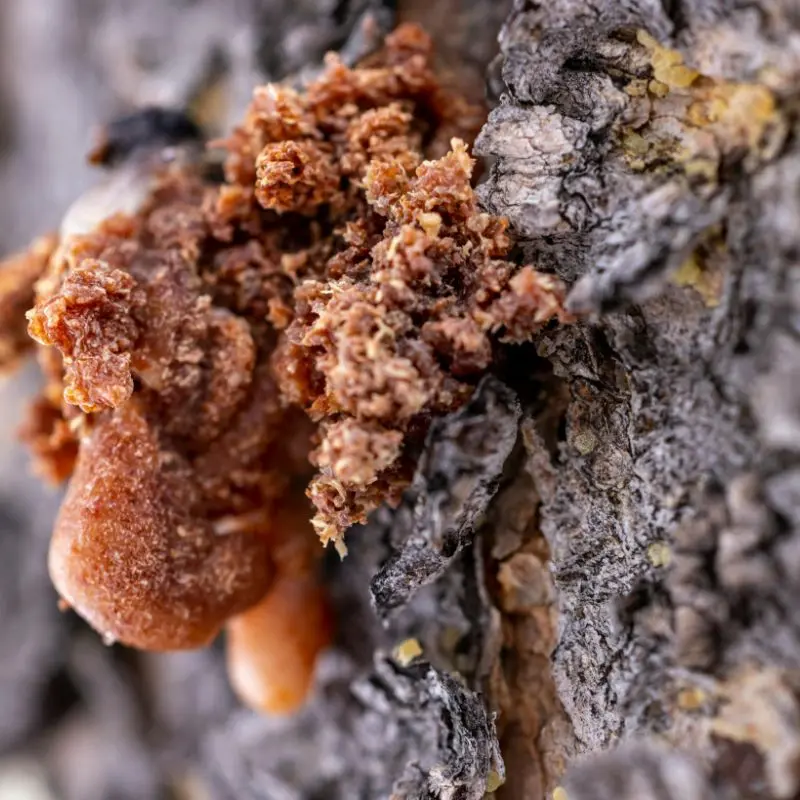
Frankincense is a different story. We grind the resin finely and let it macerate for eight weeks in a light carrier oil, in a cool, dry and dark place. The carrier is chosen batch by batch, depending on which qualities of the resin we want to bring forward.
Why a resin macerate and not an essential oil? Steam distillation only captures the volatile, aromatic part of the resin. Compounds such as boswellic acids (including KBA and AKBA) are not volatile, so they don’t end up in the essential oil. A slow resin macerate keeps a much fuller spectrum of the resin, not just its scent.
It’s also why our oils come in 100 ml bottles. Genuinely unrefined oils are meant to be used fresh, not stored for years in half-litre bottles.
Oils I'd be careful with on oily skin
Castor oil, on its own or at more than about 5% of a blend, unless it’s combined with oils that help it absorb, like radish seed and sesame. Otherwise it’s simply too heavy for oily skin.
Coconut oil on its own. Not what I’d recommend for oily skin.
In general, for oily skin I recommend blends. If you really want only one oil, stay with black seed, frankincense macerate or sesame.
How to tell a real cold-pressed, unrefined oil from a refined one
Smell. Unrefined oils always have a scent. If an oil smells of nothing, it has been refined.
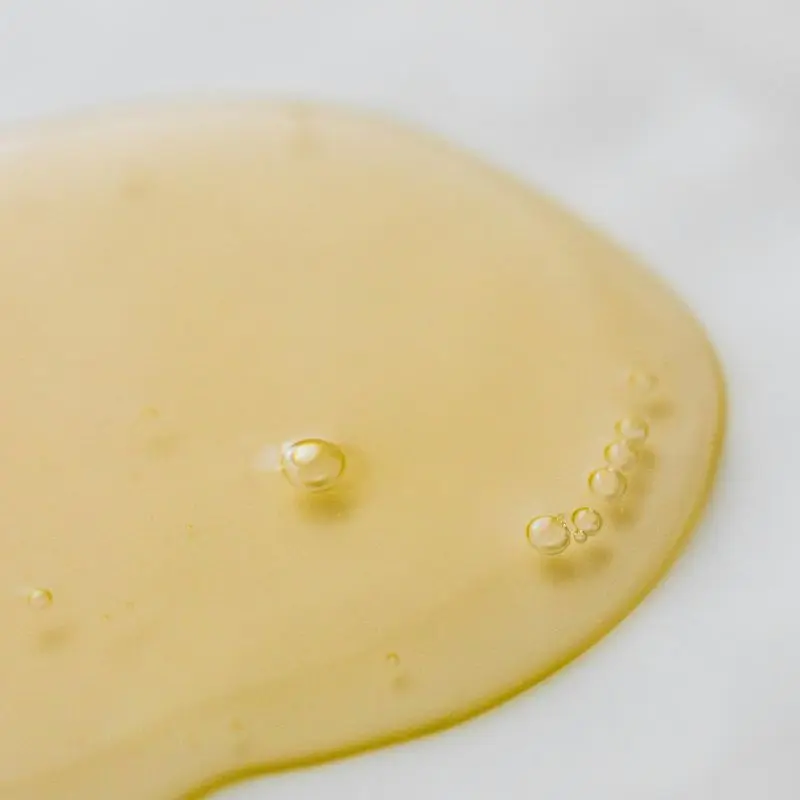
Colour. The vast majority of unrefined oils have colour. Crystal-clear usually means processed.
Taste. Put one or two drops in your mouth. A pure oil is just oil, so a drop won’t do anything, but it tells you a lot about freshness and quality. The obvious exception: if you’re allergic to the plant or seed (almonds, for example), skip this test.
Absorption. A high-quality unrefined oil starts to sink into the skin after one or two minutes of massage. A refined oil leaves a heavy, shiny film that stays on the surface.
Price and bottle size. A 250 ml or 500 ml bottle of “cold-pressed” almond oil for 10 or 12 euros is simply not possible at real quality. And high-quality unrefined oils are usually bottled in 100 ml at most.
My own skin: two years of using these oils
I’m not writing this from theory. My skin used to be on the oily side; today it’s really good. I’ve been using our oils for about two years.
For the first four to six months I used them four to five times a week, starting with the Facial Care blend. After that I went down to twice a week and began alternating black seed oil and frankincense macerate on their own. Now I use my own mix: roughly black seed, frankincense, a little turmeric, castor, chia and sweet almond.
The biggest lesson? The first changes were noticeable within days, but the real difference built up month after month. This is care that accumulates. You have to be a little patient and trust the process.

The mistakes I see most often
Using refined oils because they’re cheap. By far the biggest mistake. You’ll judge all oils by the worst ones.
Not using the oil at night, on damp skin. Before sleep, after cleansing, on slightly damp skin or after a mist of distilled or floral water: that’s when oils work best.
Not massaging enough. The massage isn’t optional. It’s a big part of the result.
Mixing oil with creams or serums. Oils should go on their own, on clean damp skin, not layered with facial creams or serums.
Using too much. Four to five drops for face and neck is plenty.
Expecting everything in a week. You’ll feel a difference quickly, but the real results build over weeks and months.
Here we go with my Favorite part (THE DEEP OIL MASK RITUAL)
Apart from the daily routine, there’s a second, deeper way to use oils: when your skin needs more attention, or once or twice a week as a maintenance and facial care ritual.
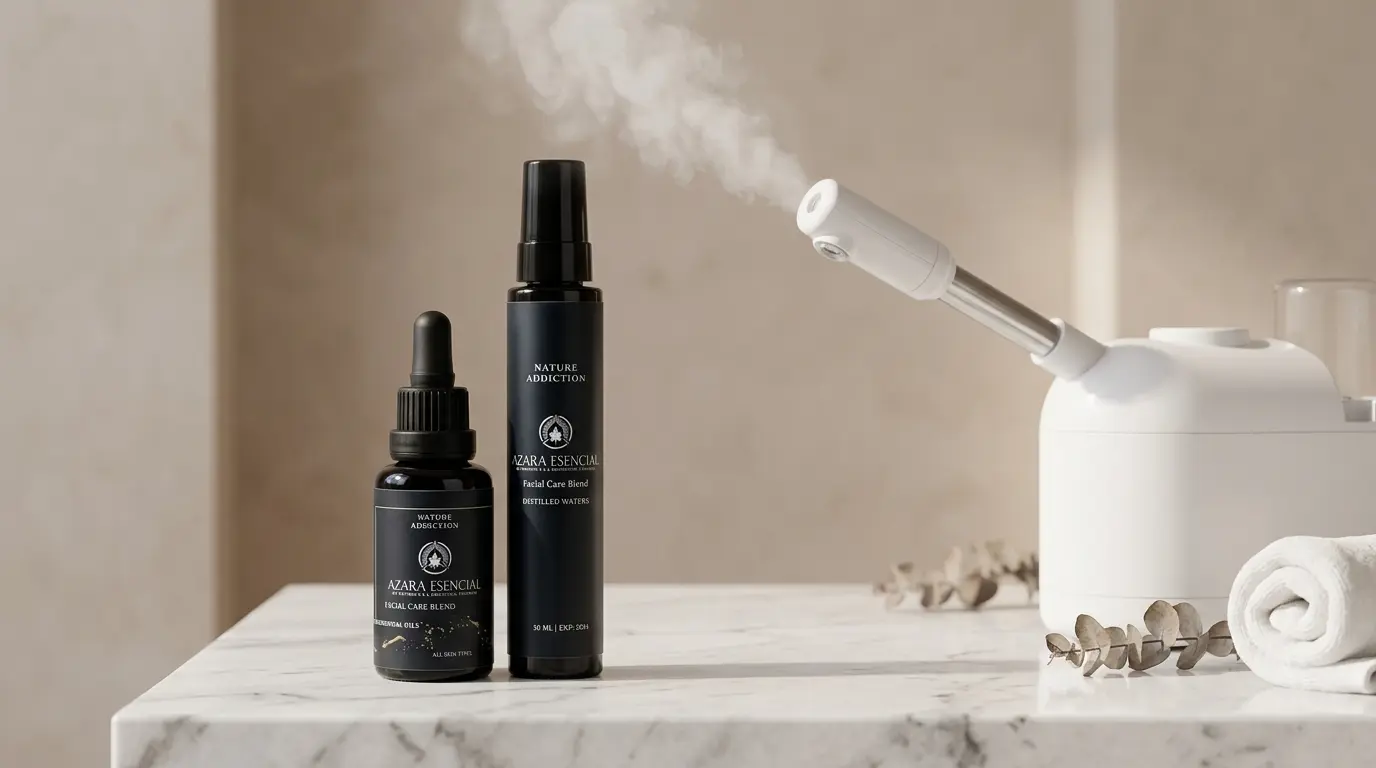
Warm and soften the skin with hot steam for 20 minutes, or do this after at least 10 to 20 minutes in a steam room (never take your oil bottle into the sauna or steam room). Pour a generous amount of oil into your palms and massage your face and neck for 15 to 20 minutes preferably inside the steam room. Leave the oil on for another 20 to 30 minutes, then clean your face with water or a natural cleanser.
You’ll feel the difference instantly. In my opinion, this is the best way to use oils. Keep it up once or twice a week, and after about a month, you will never need to use anything again.
My opinion on common oily-skin advice
Wash well, but with water only. Three to four times a day with clean water is enough. Nothing more.
Never use alcohol toners. They’re really bad for your skin.
Mattifying products. My gut feeling is that they do some harm we don’t see yet, but I haven’t studied them enough to say how. Take this as my opinion, not a fact.
“Oily skin should avoid oils.” This is the advice I disagree with most. The right unrefined oil, used the right way, can be one of the best things you do for oily skin.
Is this for you? Safety and honest expectations
These oils are generally very safe, but a patch test is always a good idea, especially if your skin is very problematic or you’re trying an oil from a rare plant or seed. Never apply oil directly on active, inflamed breakouts. If you’re using a prescribed skin treatment, natural oils can often be used alongside it, but check with your dermatologist first, since some treatments make skin more reactive. And if you’re pregnant or breastfeeding, ask your doctor before using resin macerates.
One more important point. Our oils are 100% natural: not 98%, not 95%. That small percentage makes a difference in texture, scent and feel. Some professionals and customers who’ve tried our oils now can’t do without them; others preferred products with a small synthetic touch for scent or texture, and that’s completely their right. Our oils are for people who want real, 100% natural care that works with the skin gradually and steady.
The Ritual
Cleanse
Rinse your face with clean water or a gentle natural cleanser.
Keep the skin damp
Don't dry completely. Leave the skin slightly damp or mist it with distilled or floral water.
Warm 4–5 drops
Warm four to five drops in your palms. That's enough for face and neck.
Massage
Massage face and neck for 5 to 10 minutes, until the oil starts to sink in.
Leave it overnight
Best done at night before sleep. No creams or serums on top.
Every oil and blend in our range is cold-pressed or slowly macerated, unrefined and 100% natural. Nothing added, nothing hidden.
Explore our rangeWhat to Expect
Frequently Asked Questions
Not if it’s a good-quality, unrefined oil. In my experience, the right oil or blend helps oily skin look more balanced. Refined oils are what leave that heavy, greasy film.
My first choice is cold-pressed black seed oil, followed by frankincense resin macerate and sesame oil. But for oily skin, a blend usually works better than any single oil.
On its own, I wouldn’t recommend it for oily skin. Castor oil is also best avoided alone or above about 5% of a blend.
I recommend using oils on their own, on clean, slightly damp skin, not layered with creams or serums.
Four to five drops for face and neck, with a 5 to 10 minute massage.
No. Avoid applying oil directly on active, inflamed breakouts.
Many people feel a difference after the first massage and notice a visible change within about a week of daily use or a month or 5 times a week useage. The real results build over weeks and months.