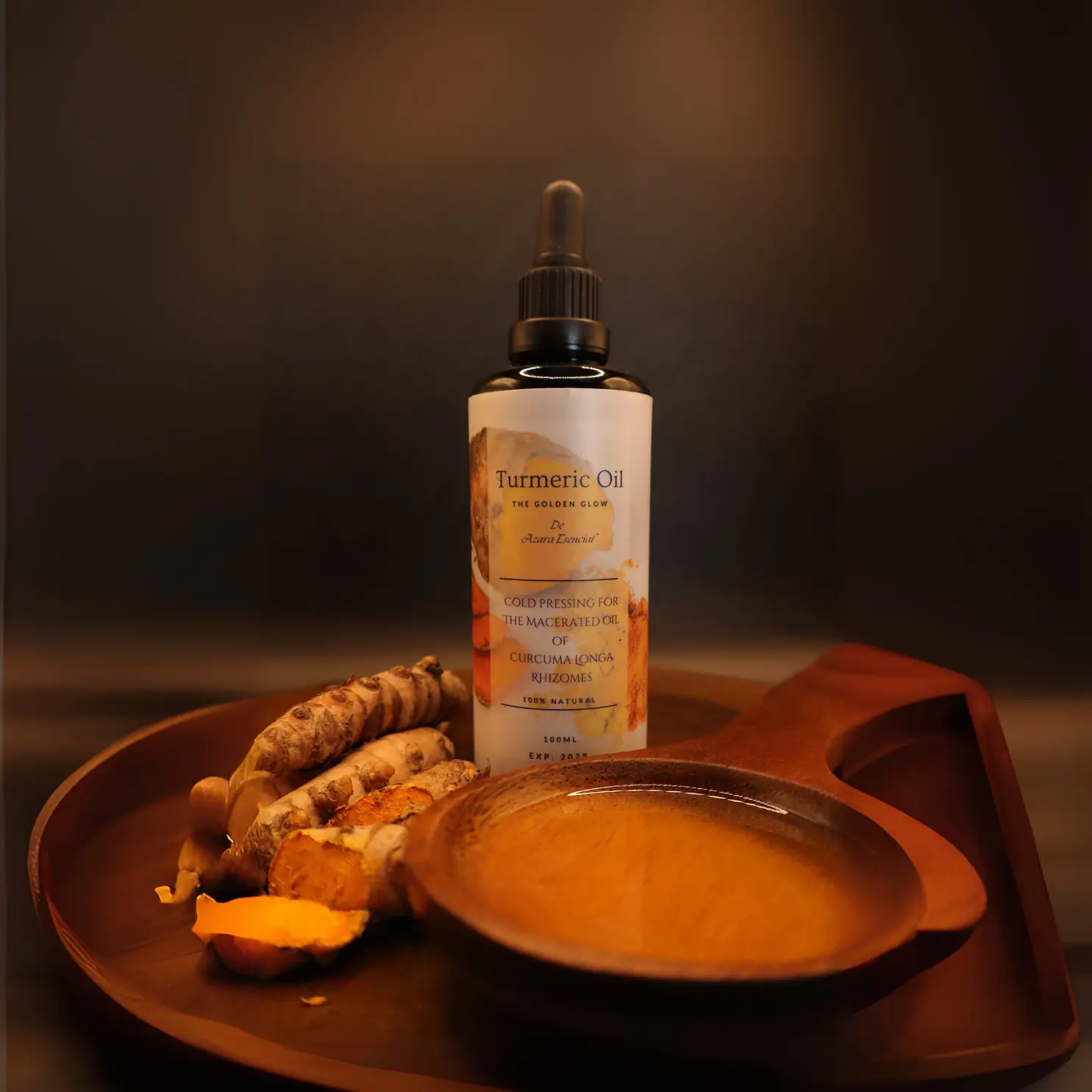
 Turmeric Macerated Oil
19,00 € inc. VAT
Availability: In stock

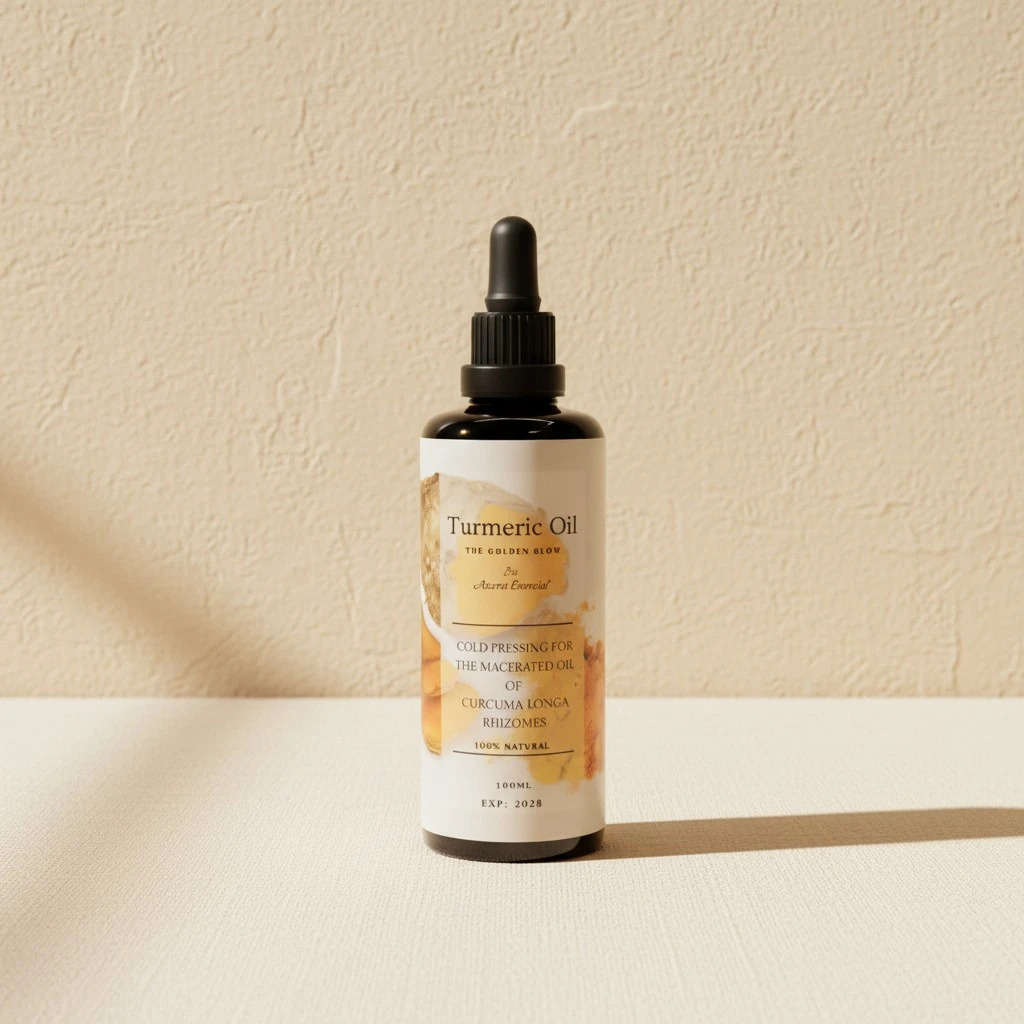
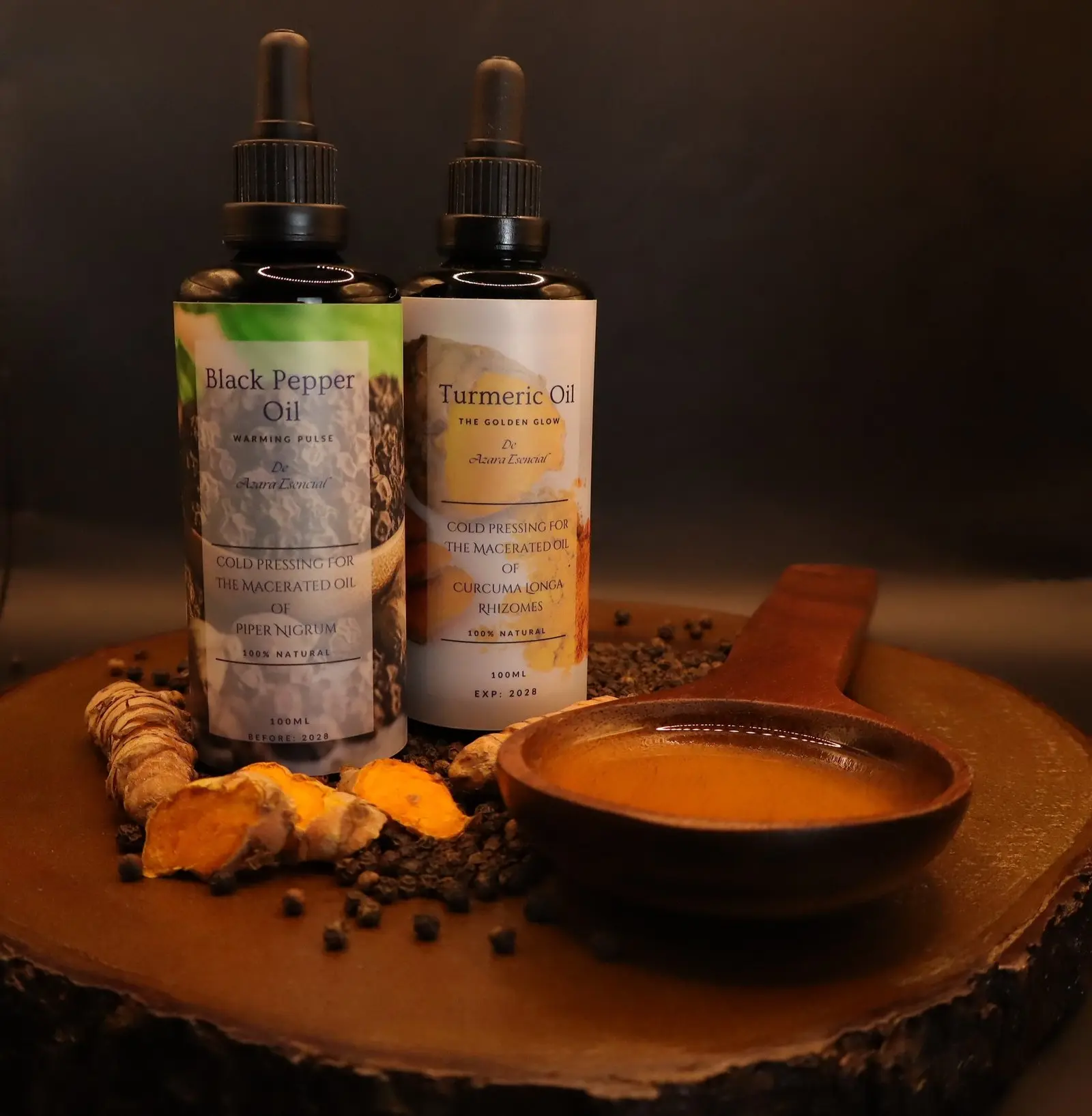
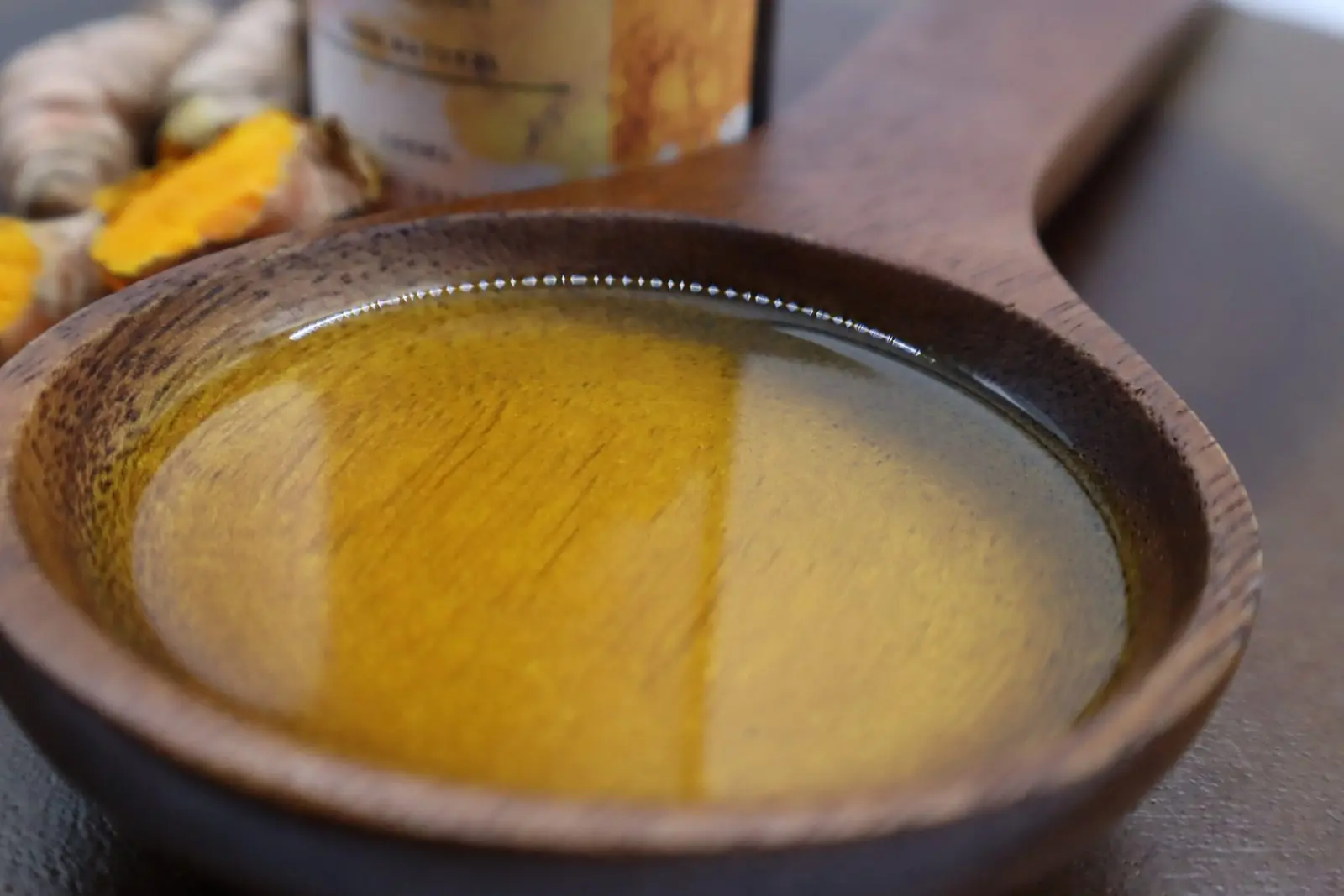
19,00 € inc. VAT
Availability: In stock
Botanical origin
Curcumin — the primary bioactive compound in Curcuma longa — is one of the most studied natural compounds in biochemistry, with over 12,000 published studies on PubMed. Its primary mechanism is inhibition of NF-κB, the master regulator of the inflammatory response in tissue. It also inhibits tyrosinase — the key enzyme in melanin synthesis — which explains its documented effect on uneven skin tone and hyperpigmentation. The critical factor: curcumin is highly hydrophobic. In water-based skincare formulations, it cannot dissolve properly, cannot penetrate the skin barrier effectively, and loses most of its biological activity. Azara Natural's turmeric oil resolves this by macerating Curcuma longa rhizomes in soybean oil — curcumin's natural lipid environment — ensuring maximum bioavailability from the moment it contacts the skin.
Best for
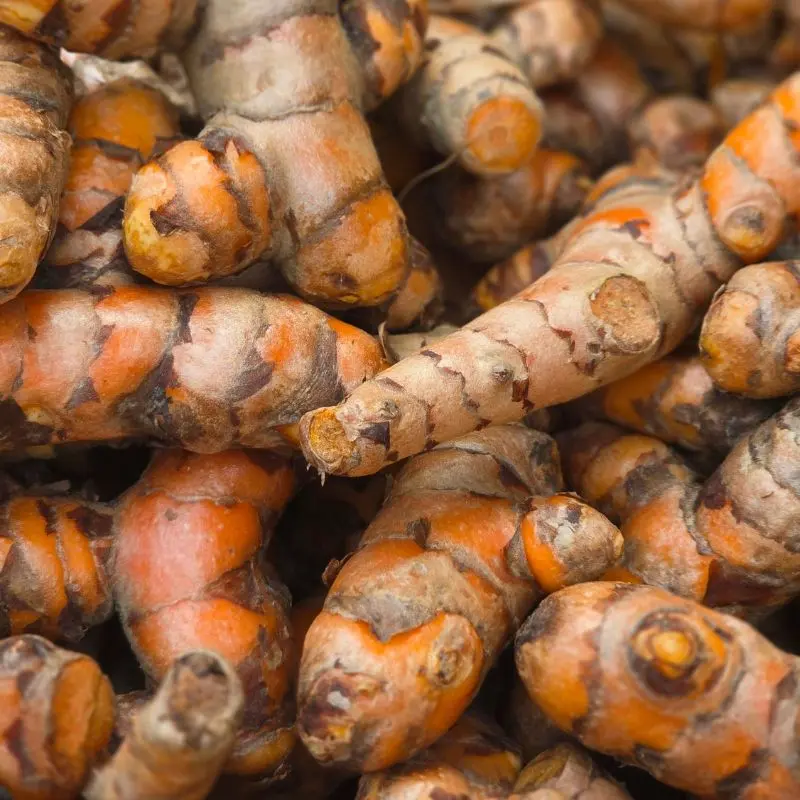
Curcuma longa rhizomes — cultivated for over 4,000 years in South and Southeast Asia, a cornerstone of Ayurvedic medicine and one of the world's most studied medicinal plants
Science
The most studied natural compound in biochemistry — with over 12,000 PubMed publications. Curcumin's primary mechanism is inhibition of NF-κB (the master inflammatory regulator) and tyrosinase inhibition (the key enzyme in melanin synthesis). Critically, curcumin is hydrophobic — it only reaches the tissue effectively in a lipid vehicle. In Azara's soybean oil macerate, bioavailability is maximised — something no water-based turmeric product can achieve.
Sesquiterpene ketones with documented antimicrobial activity against skin-relevant organisms, and a documented role as natural penetration enhancers. Turmerones increase the skin's permeability to curcumin, supporting deeper delivery of the primary active into the skin layers where NF-κB inhibition has the most relevant anti-inflammatory effect.
A sesquiterpene hydrocarbon shared with ginger (Zingiber officinale), contributing to the warming and antimicrobial profile of turmeric oil. Zingiberene adds circulatory support to the blend's overall activity — relevant for the body applications of this oil.
Natural carotenoids from both turmeric rhizome and the soybean carrier oil provide antioxidant protection against oxidative stress — complementing curcumin's anti-inflammatory action with free radical scavenging at the surface level.
Application
Mix 1–2 drops into your usual moisturiser and apply at night. The curcumin's tyrosinase inhibition works progressively with consistent nightly use — visible brightening and evening of skin tone typically appears after 4–8 weeks of regular application.
Apply 1 drop directly to areas of uneven tone or post-inflammatory marks, nightly. For enhanced penetration, mix with rosehip oil (external to Azara range) and apply after toning. Consistent use over several weeks is essential for progressive results.
Mix 5–10 drops with 2 tablespoons of carrier oil (sesame or sweet almond). Massage into areas of concern — joints, stretch marks or dull skin zones — for 3–5 minutes. A mild warming sensation from zingiberene is normal.
Ritual combinations
Linseed's omega-3 ALA anti-inflammatory action works in parallel with turmeric's NF-κB inhibiting curcumin — two of the most documented natural anti-inflammatory compounds in plant oil form, addressing the inflammatory cascade from complementary directions.
View oil →Sweet almond is an excellent dilution carrier for turmeric oil for body applications. Its oleic acid base is chemically compatible with curcumin's lipophilic nature, ensuring the curcumin remains fully dissolved and bioavailable in the blend.
View oil →Turmeric's brightening and anti-inflammatory properties complement rose's hydrating radiance action — together they form a complete brightening and nourishing face ritual for uneven, dull or post-inflammatory skin.
View oil →From the journal
The curcumin bioavailability problem — why water-based turmeric skincare underdelivers and how Azara's oil maceration achieves maximum curcumin penetration, plus the NF-κB and tyrosinase inhibition mechanisms explained.
Read the articleQuestions
Turmeric oil contains curcumin which has a characteristic yellow pigment. Used in the quantities recommended (1–2 drops as a facial treatment), staining is minimal and temporary — the oil absorbs into the skin and does not leave a visible yellow residue under normal circumstances. Avoid using on light-coloured clothing or bedsheets until fully absorbed.
Yes — curcumin's documented inhibition of tyrosinase (the enzyme responsible for melanin synthesis) makes turmeric oil one of the most scientifically supported natural approaches to uneven skin tone and hyperpigmentation. Results are progressive — consistent nightly use over 4–8 weeks is needed for visible improvement.
Curcumin is highly hydrophobic — it cannot dissolve in water-based formulations. Most turmeric creams and serums cannot deliver curcumin effectively because their water base is chemically incompatible with curcumin's molecular nature. In oil macerate form, curcumin remains fully dissolved, stable and bioavailable — reaching the skin at maximum concentration.
Yes — curcumin's NF-κB inhibition reduces inflammation, and turmerone's antimicrobial properties support a cleaner skin environment. Apply 1 drop to affected areas at night after cleansing. The anti-inflammatory action helps calm the visible redness and swelling associated with blemishes.
Turmeric Macerated OilAvailability: In stock