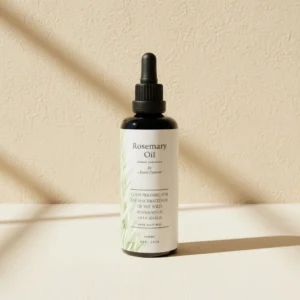
 Rosemary Macerated Oil
22,00 € inc. VAT
Availability: In stock

22,00 € inc. VAT
Availability: In stock
Botanical origin
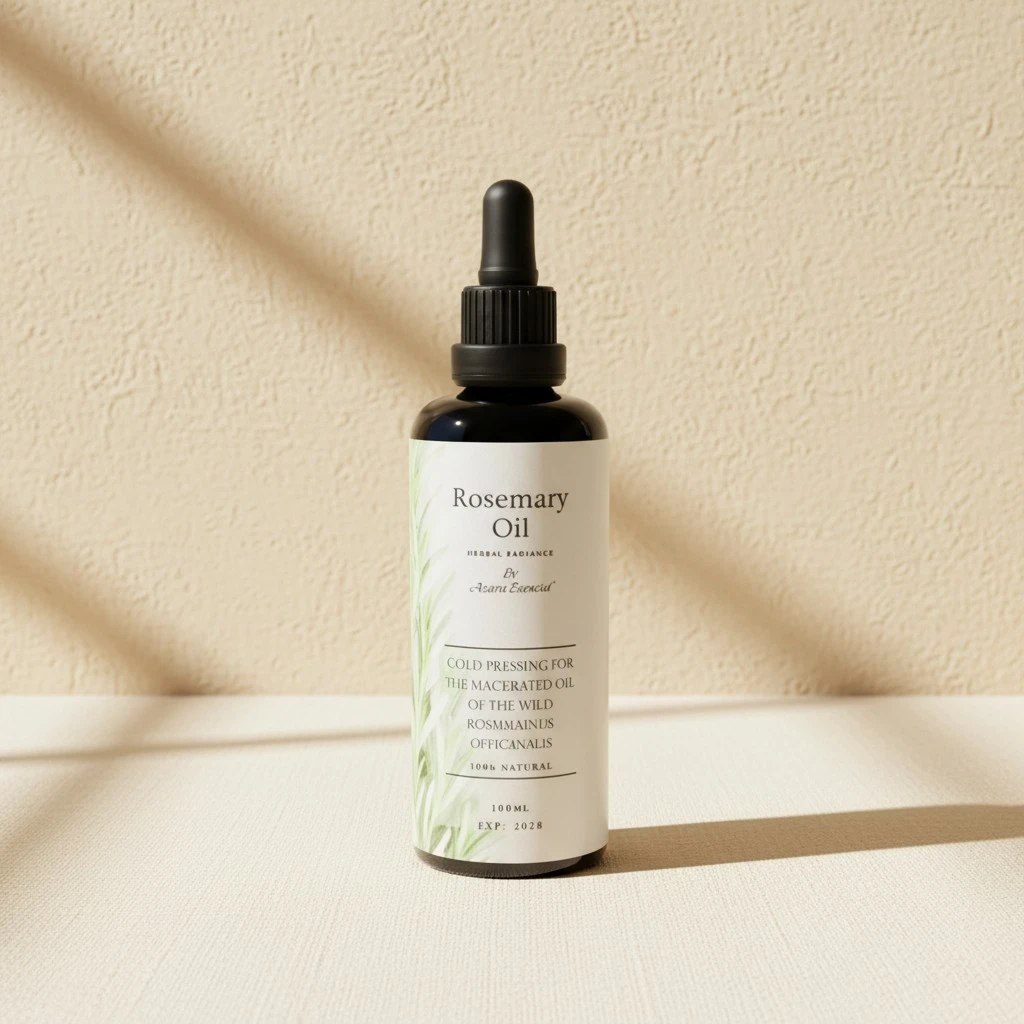
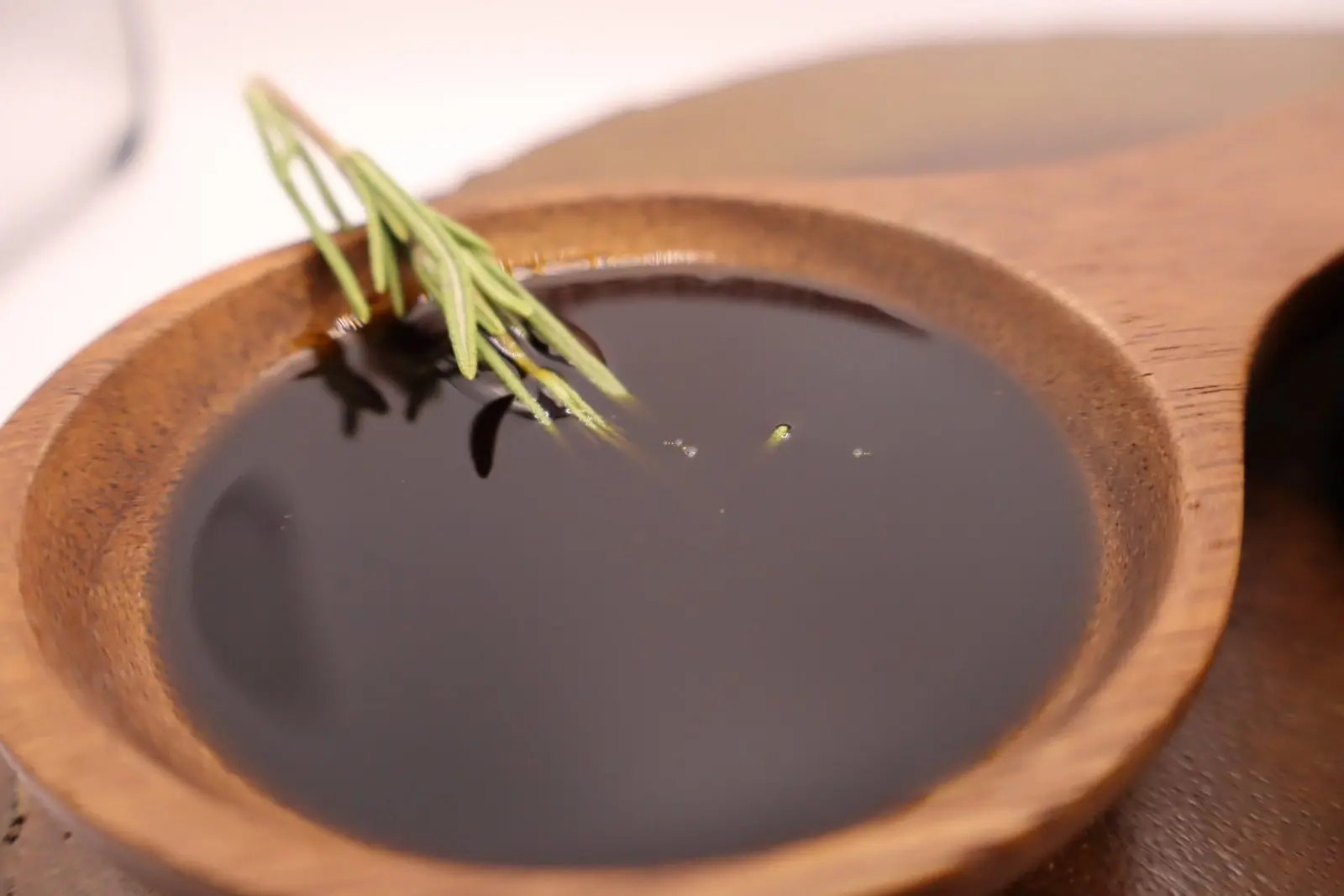
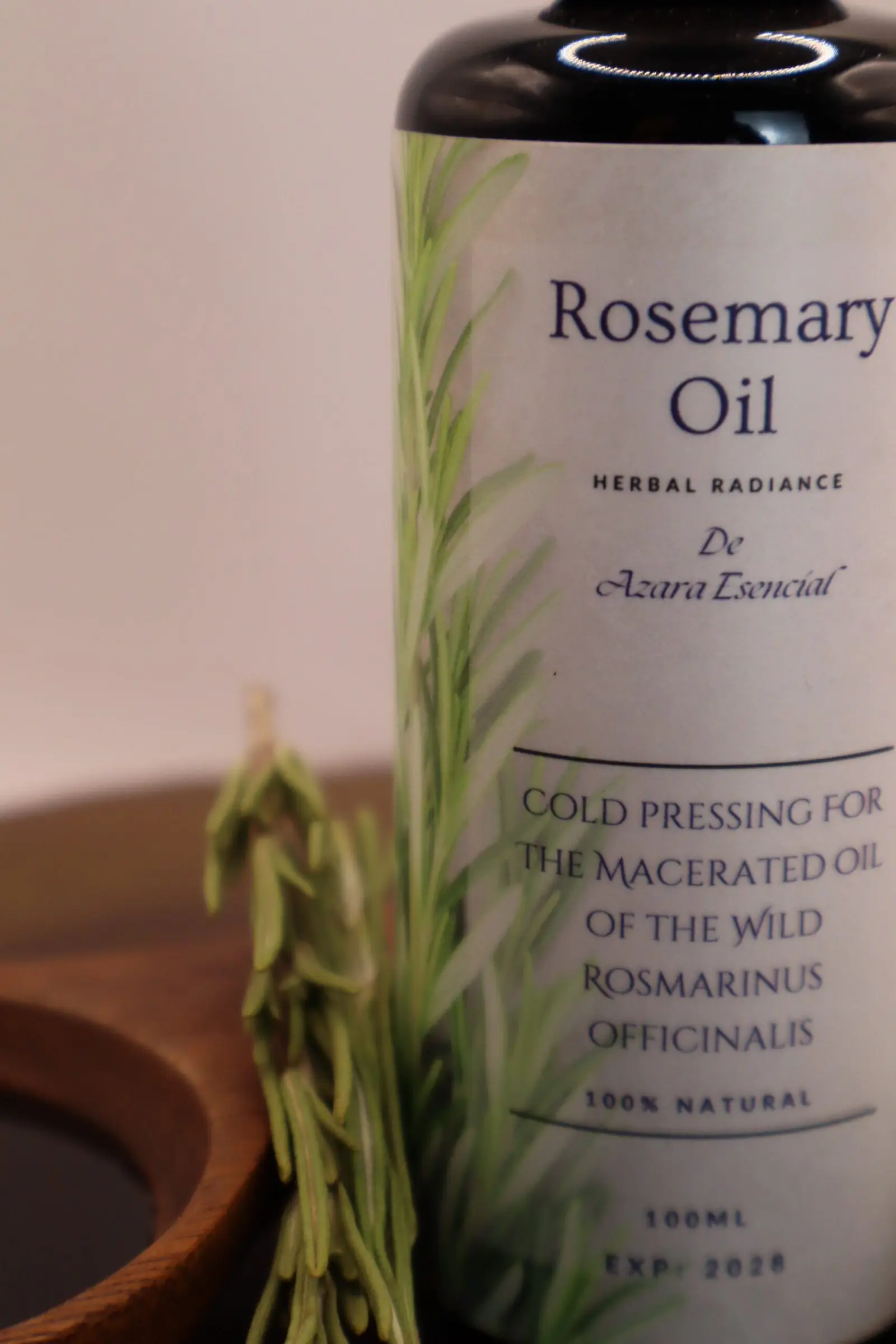
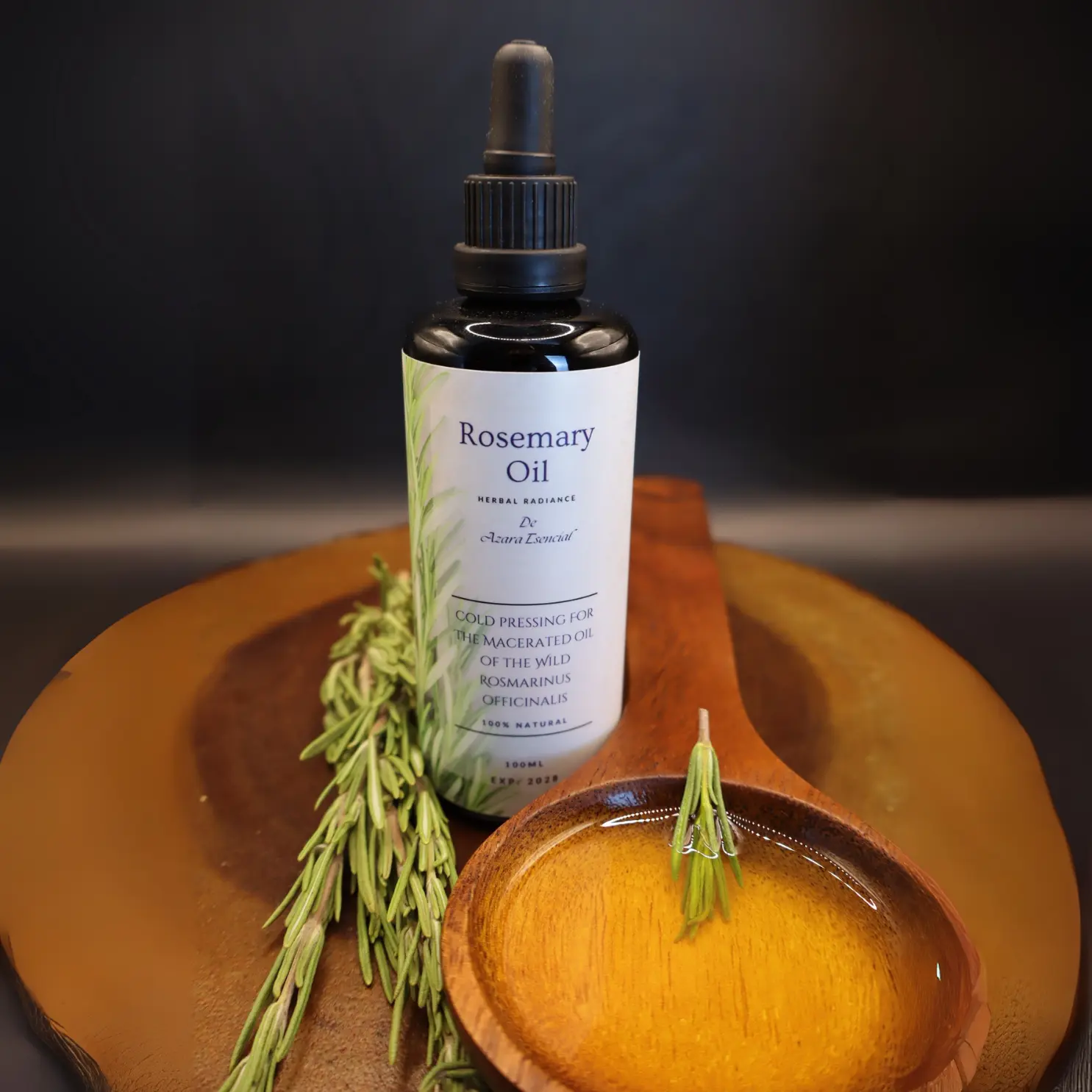
Rosemary oil for hair growth has become one of the most searched natural hair care topics in Europe — and for good reason. Multiple peer-reviewed studies have examined Rosmarinus officinalis extract as a topical scalp treatment, with results suggesting it may support a growth-favourable scalp environment comparable to some conventional treatments. Azara Natural's rosemary oil goes a step further: sourced from wild rosemary in the coastal mountains of Syria (not industrial cultivation), hand-collected and cold-macerated to extract the full spectrum of rosmarinic acid, carnosic acid, carnosol and 1,8-cineole. This Mediterranean wild-harvest provenance produces a significantly richer phytochemical profile than commercially cultivated rosemary — and maceration in corn oil preserves compounds that steam distillation destroys.
Best for
Wild Rosmarinus officinalis from the coastal mountains of Syria — hand-collected from natural Mediterranean habitat
Science
One of the most potent naturally occurring antioxidants in the plant kingdom. Rosmarinic acid scavenges free radicals, inhibits inflammatory enzymes at the scalp level, and is studied for its role in supporting a healthy follicle environment — one of the mechanisms proposed for rosemary's hair-density supporting effects.
Diterpene phenolic compounds unique to Rosmarinus officinalis. Carnosol and carnosic acid provide the strongest antioxidant activity in the rosemary plant, with additional documented antimicrobial properties that support a balanced, healthy scalp microenvironment.
The primary aromatic compound in rosemary, 1,8-cineole has documented stimulating and vasodilatory properties when applied to the scalp. It supports local microcirculation — improving blood flow to the follicle base — and contributes to the characteristically fresh, invigorating sensation during scalp massage.
A natural bicyclic monoterpene with stimulating properties and documented ability to support local circulation. In combination with 1,8-cineole, camphor provides a dual stimulating action that prepares the scalp tissue and supports nutrient delivery to the hair follicles during the massage ritual.
Application
Part your hair in sections and apply 1–2 droppers of rosemary oil directly onto the scalp. Focus on areas of concern — hairline, crown, temples.
Massage the scalp with firm circular movements for at least 3–5 minutes. The pressure and movement stimulate circulation and support the delivery of rosmarinic acid and 1,8-cineole to the follicle base. Consistency and duration of massage matter more than quantity of oil.
Leave for 30–60 minutes (or overnight with a shower cap for maximum benefit). Wash with a gentle shampoo — 2 washes are usually needed. Use 3–5 times per week for at least 12 weeks for best results on hair density.
Ritual combinations
The most popular hair growth oil combination: rosemary's circulatory stimulation and rosmarinic acid support pair with castor oil's ricinoleic acid — which coats the hair shaft, conditions the follicle and supports the appearance of thicker, stronger roots. Blend 1:1 for an intensive scalp treatment.
View oil →Onion seed oil's quercetin and organosulfur compounds work synergistically with rosemary's circulatory compounds — both support scalp vitality through different mechanisms. The combination is a potent natural hair density ritual for people experiencing shedding or weak-looking roots.
View oil →Garden cress adds omega-3 nourishment and vitamin K to rosemary's stimulating action — together they address both the scalp circulation and follicle nutrition aspects of a comprehensive hair care ritual.
View oil →From the journal
The peer-reviewed research on Rosmarinus officinalis and hair density, why wild Syrian rosemary produces a richer phytochemical profile than cultivated sources, and how cold maceration preserves the compounds that distillation destroys.
Read the articleQuestions
Rosemary oil is one of the most studied natural options for hair density support. Research published in Skinmed (2015) found that Rosmarinus officinalis leaf extract produced similar results to minoxidil 2% on hair density after 6 months. Results require consistent use (daily or 3–5×/week) over at least 12–16 weeks.
Apply 1–2 droppers directly to the scalp, massage firmly with circular movements for 3–5 minutes, leave for 30–60 minutes, then shampoo thoroughly. Use at minimum 3 times per week. Hair growth cycles are slow — visible improvement typically appears after 8–16 weeks of consistent use.
Yes — use as a pre-wash treatment only. Apply 1 dropper on scalp, massage for 2–3 minutes, leave 20–30 minutes, then shampoo. Do not use as a leave-on product if your scalp is oily. For dry scalps, it can be used in smaller amounts as a light leave-on.
Wild-harvested rosemary from Mediterranean natural habitats has a significantly richer phytochemical profile than commercially cultivated rosemary. Wild plants produce higher concentrations of secondary metabolites (including rosmarinic acid and carnosol) as natural stress responses to the environment — compounds that are diluted in intensively cultivated crops.
Yes — for post-activity body massage and revitalising leg massage (upward strokes from ankle to thigh). Its stimulating, circulatory and antioxidant properties support energised-feeling skin after massage. Not recommended as a primary facial oil.
Rosemary Macerated OilAvailability: In stock