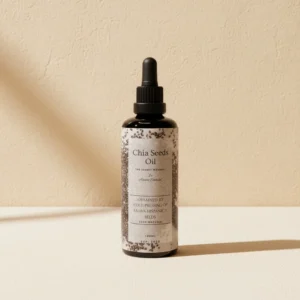
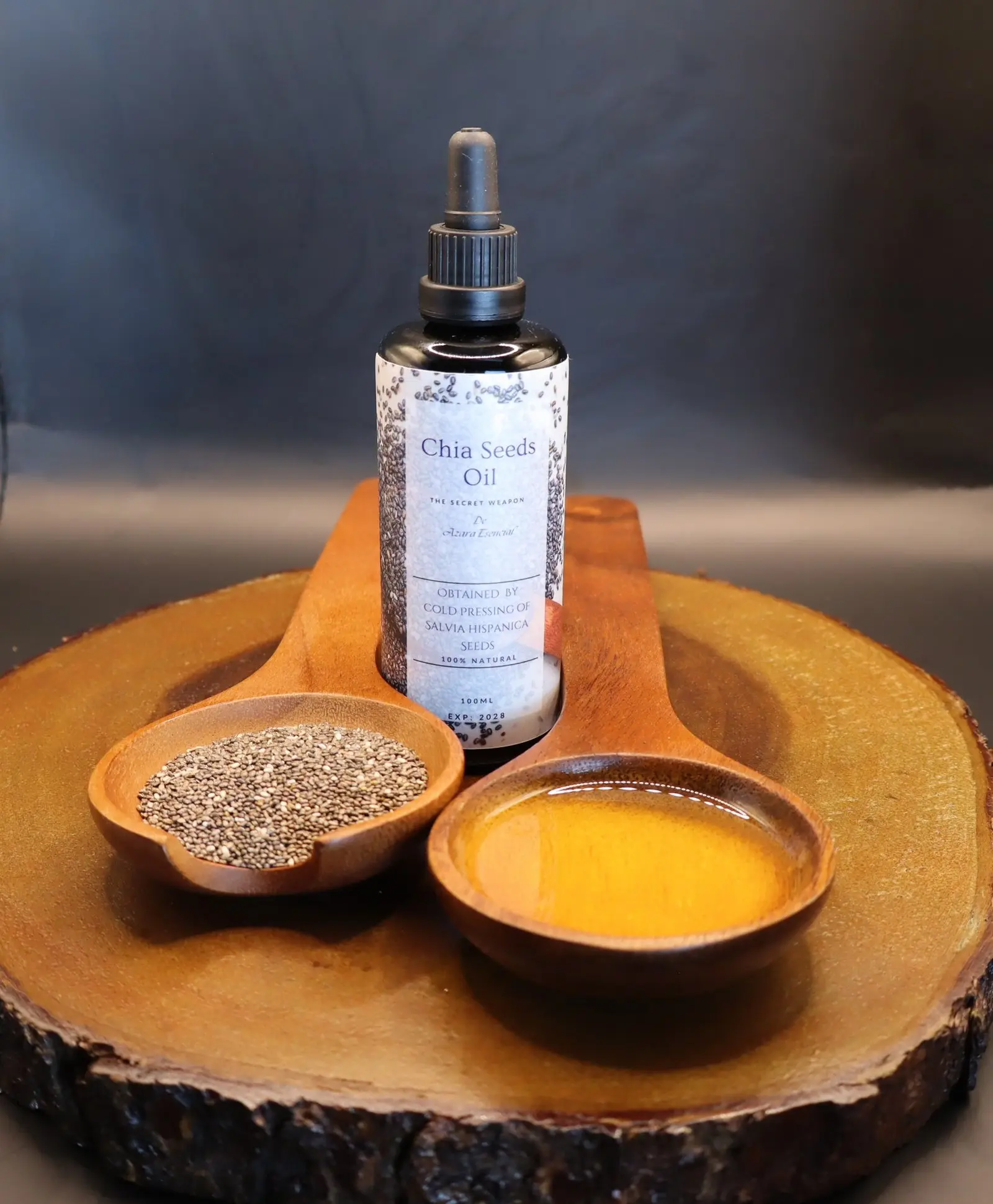
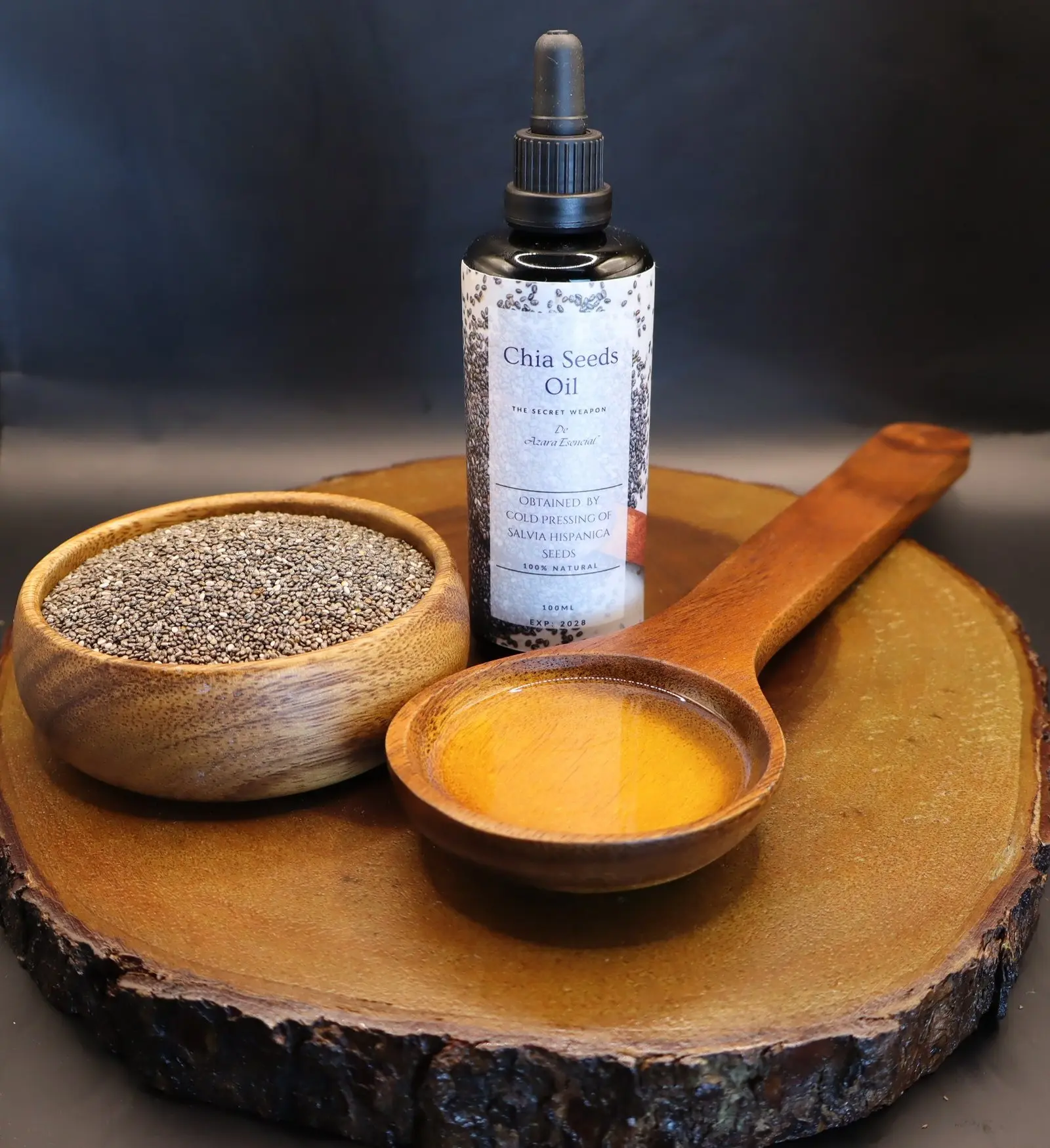
 Chia Seed Cold Pressed Oil
14,00 € inc. VAT
Availability: In stock

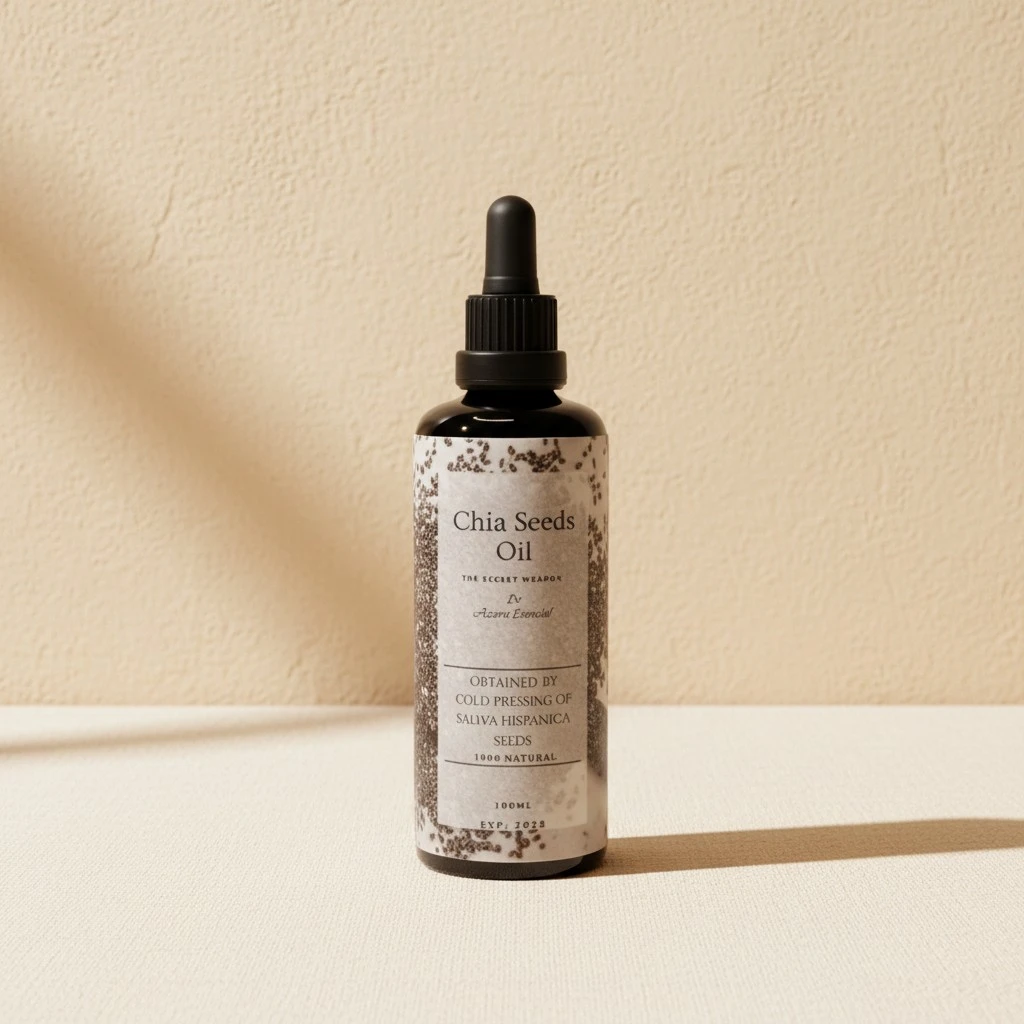
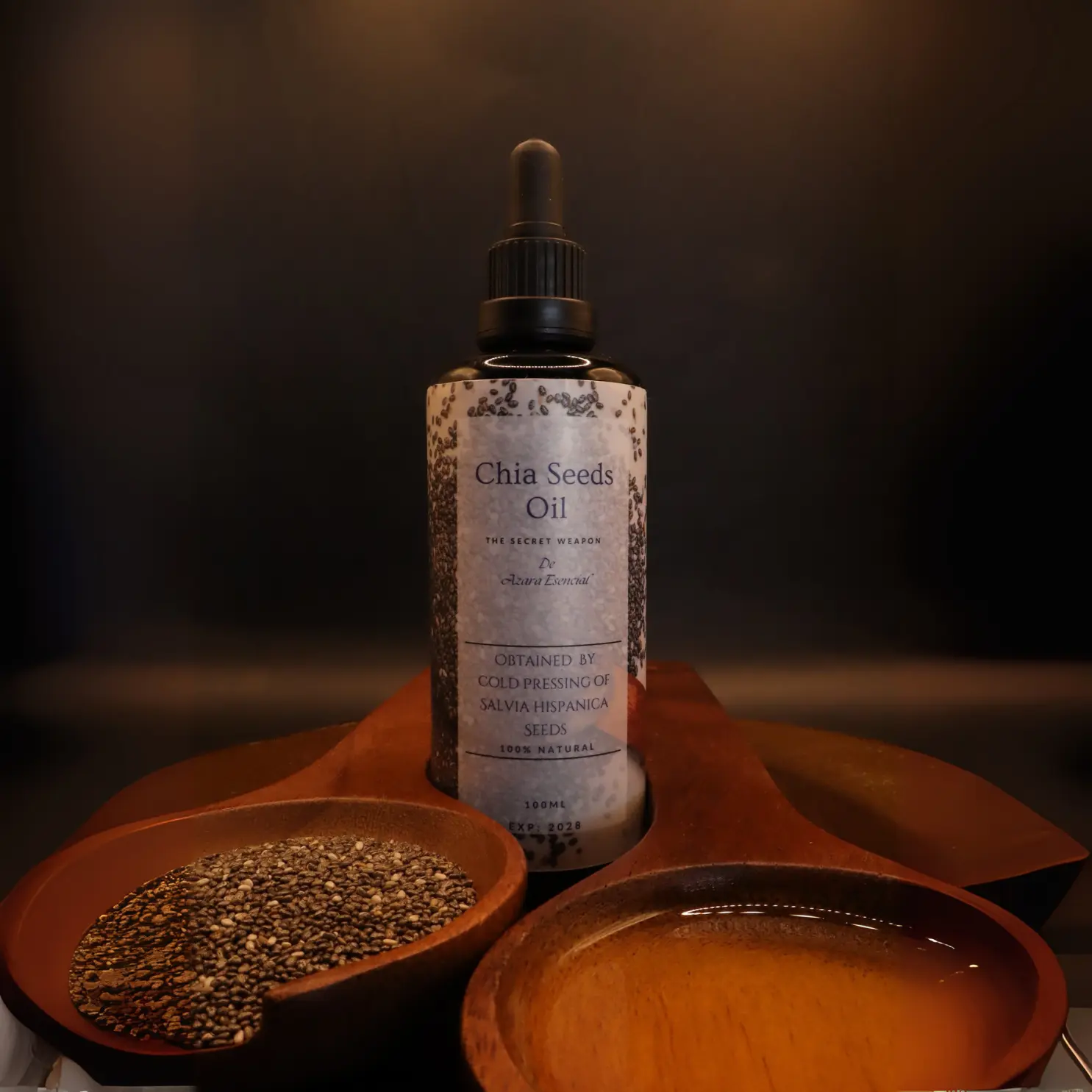
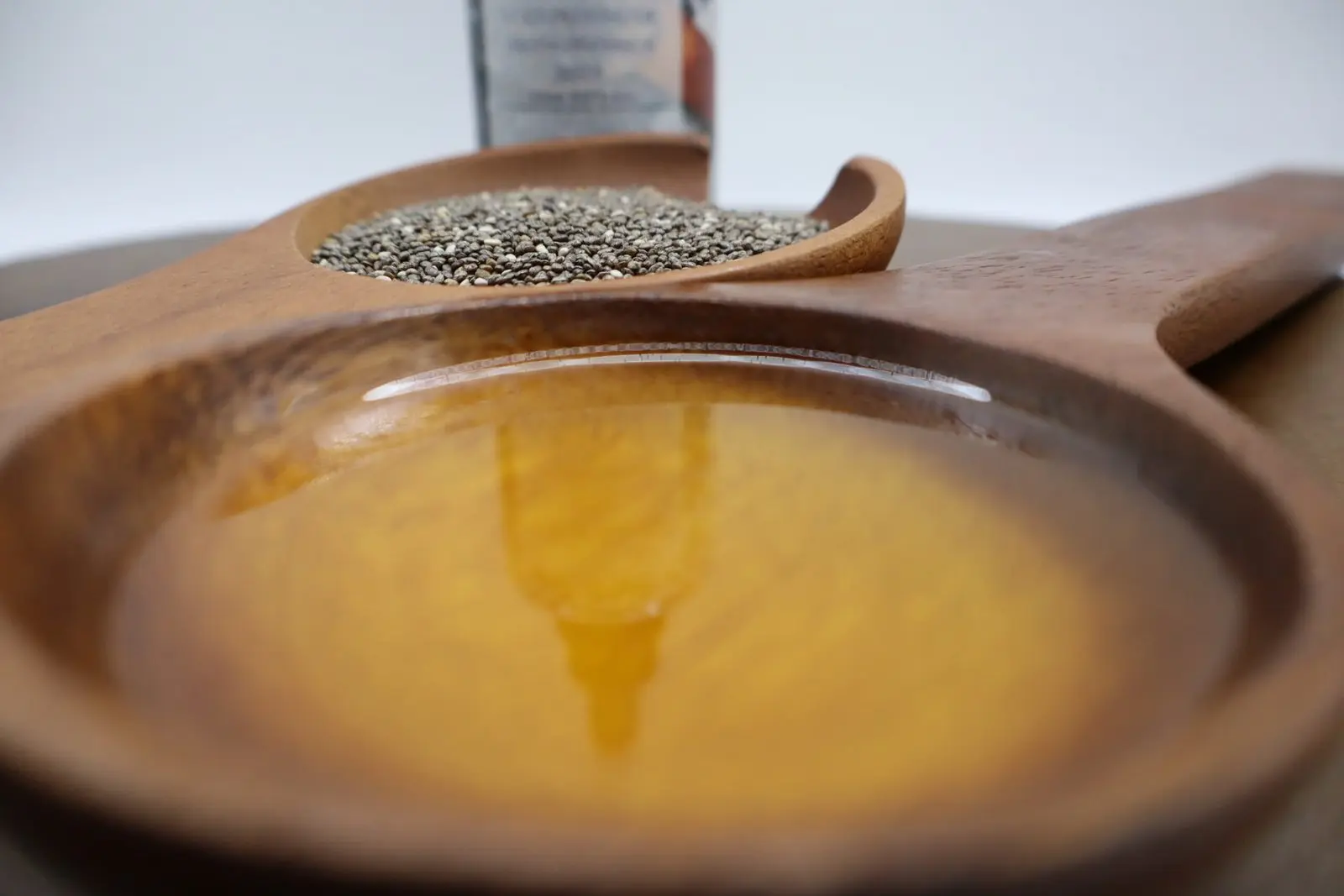
14,00 € inc. VAT
Availability: In stock
Botanical origin
Chia seed oil (Salvia hispanica) is one of the most omega-3-concentrated plant oils available for cosmetic use — with alpha-linolenic acid (ALA) typically comprising 60–65% of its fatty acid content, making it the highest-ALA botanical oil on the market. ALA is an essential omega-3 fatty acid that the skin cannot synthesise and must receive from external sources. In topical application, ALA drives powerful anti-inflammatory activity through prostaglandin signalling pathways, reinforces the skin's lipid barrier, and helps maintain hydration in dry and sensitive skin types. Combined with its light, fast-absorbing texture, chia seed oil is one of the most suitable daily facial oils for dry, dehydrated, sensitive and omega-deficient skin.
Best for
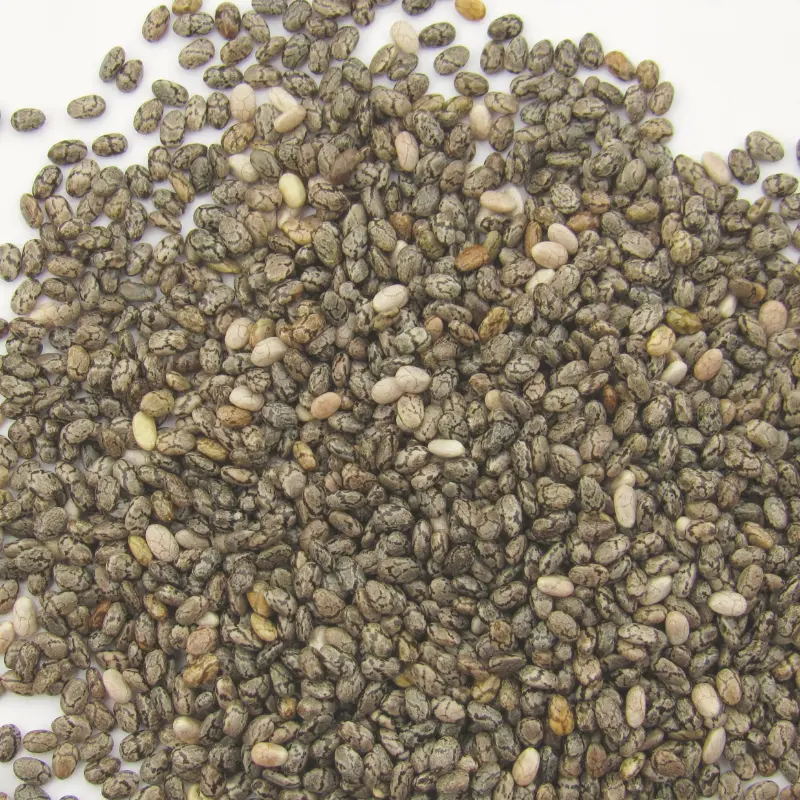
Salvia hispanica seeds — native to Mexico and Guatemala, cultivated by the Aztecs and Mayans as one of their primary energy and medicinal crops since pre-Columbian times
Science
The highest concentration of omega-3 ALA in any widely available plant oil. ALA drives powerful anti-inflammatory activity through prostaglandin E3 signalling — the anti-inflammatory branch of the prostaglandin pathway. Topical delivery of ALA specifically supports the skin's own anti-inflammatory capacity and barrier repair mechanism, making chia seed oil particularly effective for reactive and omega-deficient dry skin.
An essential omega-6 fatty acid that is structurally required for the skin's own ceramide synthesis. Linoleic acid in chia seed oil reinforces barrier integrity, reduces transepidermal water loss and supports long-lasting moisture retention — the physical basis of what's experienced as "soft, comfortable skin" after application.
Chia seeds are rich in polyphenols and flavonoids — potent free radical scavenging antioxidants. These compounds protect skin cells against oxidative stress from UV, pollution and metabolic processes, and complement the anti-inflammatory activity of the omega-3 ALA.
Chia seeds contain a remarkable protein content for an oil seed — amino acids and zinc transfer into the cold-pressed oil and contribute to structural support for skin and hair. Zinc specifically supports collagen synthesis and is associated with improved hair strength and scalp health.
Application
Apply 2–3 drops to slightly damp skin after toner or hydrosol. Massage gently for 30–60 seconds. The light texture absorbs within minutes without leaving a heavy or greasy finish — suitable for morning and evening use.
For very reactive skin: mix 1 drop into your regular moisturiser for the first 3–5 nights before progressing to neat application. Chia's omega-3 anti-inflammatory action is particularly gentle — it supports the skin's own calming mechanisms without risk of overstimulation.
Warm 1–2 drops between palms and smooth over dry hair ends only (avoid roots). The light, silky texture controls frizz and adds softness without weighing fine hair down. For deeper conditioning, apply to mid-lengths and ends before shampooing.
Ritual combinations
Chia's omega-3 ALA anti-inflammatory activity complements frankincense's boswellic acid collagen support and 5-LOX inhibition — a comprehensive anti-ageing oil duo that addresses the skin's inflammatory environment (chia) and structural collagen matrix (frankincense) simultaneously.
View oil →Chia and lavender are a natural pair for sensitive and reactive skin: omega-3 barrier repair from chia, linalool calming and anti-inflammatory action from lavender. Apply chia first as the base treatment layer, seal with a few drops of lavender for aromatic calming.
View oil →Chia's deep omega-3 hydration and rose's polyphenol brightening create a complete dry skin facial ritual — deep nourishment and barrier support from chia, surface radiance and brightening from Damascus rose.
View oil →From the journal
Why Salvia hispanica produces the highest omega-3 ALA concentration of any widely available plant oil, how ALA drives the skin's anti-inflammatory pathway, and the science behind chia's documented barrier repair properties.
Read the articleQuestions
Chia seed oil (Salvia hispanica) has the highest omega-3 ALA content of any widely available plant oil — 60–65% of its fatty acid profile. This concentrated omega-3 drives powerful anti-inflammatory activity and barrier repair, making it one of the most effective plant oils for dry, sensitive, dehydrated and reactive skin types.
Yes — chia seed oil is light, fast-absorbing and non-comedogenic, making it suitable for daily use on face and body. Apply 2–3 drops to damp skin morning and evening. Its gentle anti-inflammatory and barrier-supporting properties are well tolerated with daily use across all skin types.
Like all omega-3-rich oils, chia seed oil oxidises faster than oleic-rich oils. Store in a cool, dry place away from direct light. Refrigeration after opening extends shelf life. If the oil develops a sharp, rancid smell, discard and replace.
Yes — pre-wash use as an ends treatment and scalp conditioning oil. Apply to mid-lengths and ends before shampooing, leave 20–30 minutes, then shampoo. For dry ends and frizz, 1–2 drops warmed in palms and smoothed over dry ends controls frizz without weight.
Chia Seed Cold Pressed OilAvailability: In stock