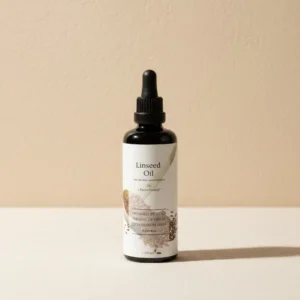
Linum usitatissimum — cold-pressed flaxseed oil rich in alpha-linolenic acid (ALA omega-3), lignans, and vitamin E for skin hydration, barrier repair, and hair health
What is linseed oil — and what makes cold-pressed very important?
Linseed oil is extracted from the seeds of Linum usitatissimum, the flax plant — one of the oldest cultivated crops in human history, grown across Europe, Asia, and the Middle East for both fibre and seed. The seeds themselves are approximately 35–45% oil by weight.
Cold pressing is the only extraction method that preserves linseed oil’s full biological activity. Linseed oil is exceptionally rich in alpha-linolenic acid (ALA) — an omega-3 polyunsaturated fatty acid present at 45–60% concentration depending on origin. ALA is among the most oxidation-
sensitive fatty acids in plant kingdom: heat, light, and oxygen degrade it rapidly. Heat extraction produces a higher yield but destroys the ALA, vitamin E, and lignan content that make linseed oil therapeutically interesting.
The result of cold pressing without solvent or heat is an oil with:
– Deep golden to amber colour with a characteristic earthy, slightly nutty scent
– ALA (omega-3) at 45–60%
– Linoleic acid (omega-6) at 12–18%
– Oleic acid (omega-9) at 18–22%
– Lignans — phytoestrogenic antioxidant compounds unique to flaxseed
– Vitamin E (tocopherols) — both skin-active and oxidative stabiliser
Unrefined linseed oil will appear slightly cloudy at cool temperatures — a sign of intact phytosterol content. Fully clear linseed oil has almost certainly been refined. The cold-pressed version has a shelf life of 3–6 months once opened, which is shorter than most oils due to its high ALA content — store in the dark, away from heat.
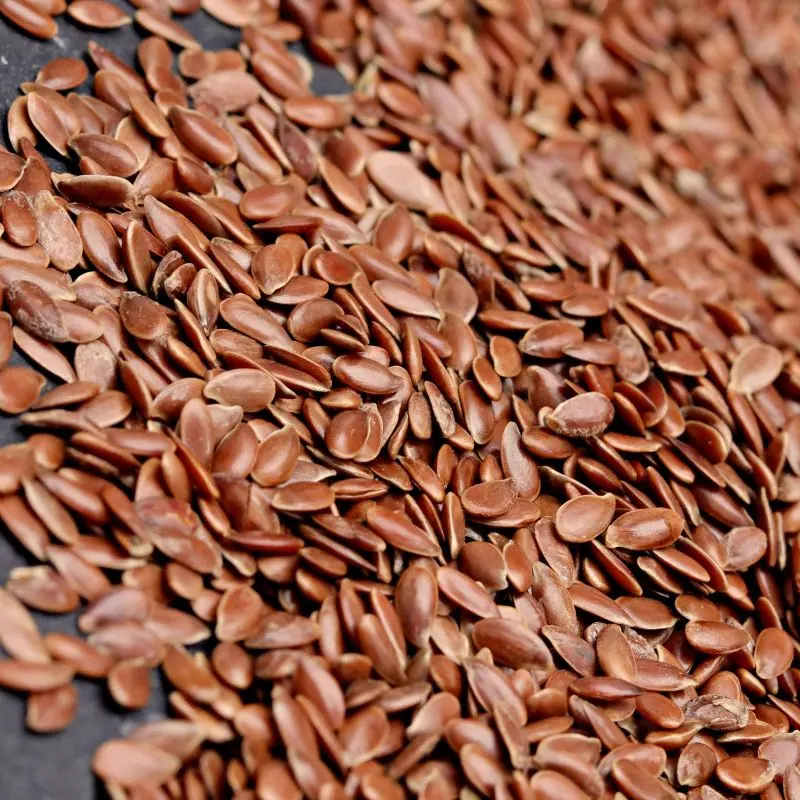
Traditional and historical use: from Mesopotamia to Mediterranean Europe
The flax plant has been cultivated for over 9,000 years — among the earliest agricultural crops in recorded human history. Evidence of flax cultivation has been found in Mesopotamian archaeological sites dating to 7000 BCE, where both the fibre and the oil-bearing seeds were used.
In traditional European folk medicine, linseed oil was used topically for eczema relief, dry scalp conditions, and wound protection — particularly across northern and central Europe where flax was a staple crop. In Spain and the Mediterranean, linseed (linaza) has been used in traditional herbalism for its anti-inflammatory properties on skin and mucous membranes. Traditional Chinese medicine and Ayurveda both document its use for reducing inflammation and restoring skin hydration in dry, damaged, or inflamed conditions.
Its reintroduction into modern European skincare is grounded not in trend but in the same chemistry that traditional practitioners identified empirically: the high omega-3 content that reduces inflammation, and the lignan content that provides antioxidant and skin-supportive activity.
The science: fatty acids, lignans, and what they do for skin
Linseed oil’s skin benefits come from three compound families working simultaneously:
Alpha-Linolenic Acid (ALA, omega-3) at 45–60%
ALA is a structural component of the skin’s lipid bilayer — the outermost protective layer of the epidermis. When this barrier is deficient in omega-3 fatty acids (a common finding in eczema, psoriasis, and chronically dry skin), transepidermal water loss increases, the skin becomes reactive, and inflammatory conditions worsen. Topical ALA from linseed oil contributes to the barrier’s lipid composition, reducing water loss and supporting structural integrity. A study published in the International Journal of Molecular Sciences confirmed the role of omega-3 fatty acids in skin barrier function and hydration.
Lignans — phytoestrogenic antioxidants unique to flaxseed
Flaxseed contains the highest lignan concentration of any plant food. Secoisolariciresinol diglucoside (SDG) and its metabolites are potent antioxidants that neutralise free radicals responsible for oxidative stress — a primary driver of premature skin aging. Research published in the International Journal of Molecular Sciences confirmed the antioxidant activity of flaxseed lignans and their potential in reducing oxidative damage.
Anti-inflammatory activity for reactive skin conditions:
ALA is the precursor to anti-inflammatory eicosanoids in the body’s fatty acid metabolism pathway. Topically, the anti-inflammatory effect of omega-3 rich oils on inflammatory skin conditions — including eczema and psoriasis — has been documented across multiple reviews, including a comprehensive International Journal of Molecular Sciences review on plant phenolic compounds and inflammatory skin diseases.
Skin benefits: hydration, barrier repair, and inflammation
Deep hydration and transepidermal water loss reduction
ALA’s integration into the skin’s lipid bilayer reduces the permeability of the barrier to water evaporation. For chronically dry, tight, or flaky skin — common across Spain’s varied climates from the dry interior to Mediterranean coastal sun exposure — linseed oil’s barrier repair mechanism addresses the underlying cause rather than the surface symptom.
Eczema and reactive skin calming:
The combination of anti-inflammatory omega-3 fatty acids and antioxidant lignans makes linseed oil specifically relevant for eczema-prone skin. It does not replace medical treatment for clinical eczema, but as a supportive topical application it reduces the inflammatory load at the skin surface, contributing to calmer, less reactive skin over consistent use.
Anti-aging antioxidant protection:
Lignans and vitamin E together neutralise the free radicals from UV radiation and pollution that degrade collagen and elastin. In Spain, where UV index is among Europe’s highest, antioxidant protection from botanical oils applied consistently as part of a daily routine provides meaningful cumulative photoprotection at the skin surface level — not as a sunscreen substitute, but as an additional layer of oxidative defence.
Skin tone and texture improvement:
ALA supports healthy cell turnover and the regeneration of the epidermis’s structural proteins. Consistent application to hyperpigmented areas, uneven texture, or sun-damaged skin contributes to a more even-looking surface over weeks of regular use.
Hair and scalp benefits
Scalp barrier and inflammatory condition support:
The same barrier-repair and anti-inflammatory mechanism that benefits facial and body skin applies directly to the scalp. Dandruff and seborrheic dermatitis — among the most common scalp complaints across Europe — involve both microbial imbalance and an inflammatory component. Linseed oil’s omega-3 content addresses the inflammatory element while supporting the scalp’s lipid environment.
Hair shaft conditioning:
Linseed oil’s fatty acids — particularly linoleic acid alongside ALA — coat and condition the hair shaft, reducing protein loss during washing and improving flexibility. The result is reduced mechanical breakage from styling and environmental stress.
Scalp hydration for dry scalp conditions:
In dry, centrally heated indoor environments common across northern Spain and European climates, the scalp loses moisture readily. Linseed oil’s occlusivity and barrier-repair properties address this directly, reducing the tightness, flaking, and itchiness of a dehydrated scalp.
How to apply for hair: Warm 5–8 drops between palms and apply to scalp sections, massaging with fingertips for 3–5 minutes. Leave 30–60 minutes before washing with a mild sulfate-free shampoo. For hair lengths, apply 2–3 drops to dry mid-lengths and ends as a finishing treatment.
Linseed oil in massage: pre-treatment and facial massage
Linseed oil is not a conventional full-body massage carrier — its high ALA content makes it one of the faster-oxidising botanical oils, and its relatively quick absorption rate means it lacks the prolonged glide that a massage session requires across large body surface areas.
Where linseed oil excels in massage contexts:
Pre-massage skin preparation
Applied to the skin 15–20 minutes before a massage session, linseed oil’s barrier-repair and anti-inflammatory properties prepare reactive or eczema-prone skin for the mechanical stimulation of massage — reducing the likelihood of post-massage redness or irritation in sensitive skin types. The omega-3 content reduces the inflammatory sensitivity that makes some skin types uncomfortable during massage.
Facial massage carrier (dry/reactive/mature skin)
For gentle facial massage techniques — lymphatic drainage, gua sha, buccal massage — linseed oil’s combination of omega-3 anti-inflammation and lignan antioxidants makes it particularly suited to reactive, eczema-prone, or mature facial skin. Its absorption rate is appropriate for the shorter duration of facial massage sessions. Use 3–5 drops warmed between palms as the sole carrier for facial massage.
Blended body massage (10–20% in a stable carrier)
For therapeutic body massage targeting dry, inflamed, or psoriasis/eczema-affected areas, blending linseed oil at 10–20% with a more stable carrier (sweet almond oil, sesame oil) delivers its anti-inflammatory ALA content without the oxidation concerns of using it at full concentration over a long session.
Scalp massage
Warming 5–8 drops and massaging firmly into the scalp for 5 minutes before washing delivers the barrier-repair and anti-inflammatory benefits of linseed oil directly to the scalp tissue — one of its most effective single-oil applications, combining mechanical circulation stimulation with omega-3 skin support.
Massage types most suited to linseed oil
Facial massage, scalp massage, targeted anti-inflammatory massage for skin conditions, pre-treatment skin preparation for sensitive skin types.
Cold-pressed linseed oil vs refined: the ALA makes all the difference
For linseed oil specifically, the difference between cold-pressed and refined is more significant than for almost any other botanical oil — because the compound that makes it therapeutically interesting (ALA, omega-3) is also the most heat-sensitive compound in the oil.
What refining removes from linseed oil
Alpha-linolenic acid (ALA) — partially to significantly degraded
ALA is a polyunsaturated fatty acid with three double bonds, making it the most chemically reactive and heat-sensitive component of the oil. Refining processes involving heat (deodorisation typically occurs at 180–240°C) oxidise and degrade ALA — converting it from a beneficial omega-3 to degraded lipid products, reducing the concentration that reaches skin. The skin barrier repair and anti-inflammatory mechanisms that distinguish linseed oil are largely ALA-dependent. A refined linseed oil with degraded ALA is essentially a conditioner without its primary active.
Lignans — largely removed
The lignan content of linseed oil is primarily present in seed particles that are filtered out during refining. Refined linseed oil contains a fraction of the antioxidant lignan content of cold-pressed versions — removing the antioxidant protection that makes linseed oil relevant for oxidative stress and anti-aging.
Vitamin E — significantly reduced
Tocopherols are partially destroyed by the high temperatures of deodorisation. Refined linseed oil may have synthetic vitamin E added back (as a preservative), but this is not the same as the natural tocopherol complex of cold-pressed oil.
Colour and scent — removed by design
Refined linseed oil is nearly colourless and odourless. These properties indicate successful removal of chlorophylls, pigments, and volatile aromatic compounds — the visible evidence of the phytochemical profile being stripped.
The specific difference for linseed
More than any other common botanical oil, buying refined linseed oil for skin and hair care is buying the wrong product — the therapeutic value is in the compounds that refining removes. Cold-pressed is not a premium label for linseed oil. It is the only version of the product that is what it claims to be.
How to identify genuine cold-pressed, unrefined linseed oil
With linseed oil increasingly present on European natural health shelves, the difference between cold-pressed unrefined and refined processed versions matters significantly for therapeutic effect.
Colour: Genuine cold-pressed linseed oil is golden to amber — sometimes with a greenish tint from chlorophyll content in some batches. Pale yellow or colourless linseed oil has almost certainly been refined.
Scent: Cold-pressed linseed oil has a characteristic earthy, slightly nutty scent. If the oil is odourless or smells artificial, it has been refined or is adulterated.
Cloudiness at cool temperatures: Place a small amount in the refrigerator. Genuine unrefined linseed oil will turn slightly cloudy or thick — intact phytosterols do this. Remaining completely clear indicates refining.
Shelf life: Cold-pressed linseed oil has a shorter shelf life than refined versions — 3–6 months opened, stored correctly.
Packaging: Dark glass or opaque UV-protecting packaging is mandatory for genuine cold-pressed linseed oil. ALA oxidises rapidly under light exposure. Clear glass or plastic packaging indicates either poor quality or refined product.
Azara Natural's Linseed Oil is cold-pressed from Linum usitatissimum seeds without heat or solvent, packaged in UV-protecting dark glass to preserve its ALA omega-3 content. No refining. No additives. The complete phytochemical profile of genuine cold-pressed linaza.
Get Azara Natural Linseed OilFrequently Asked Questions
Linseed oil (aceite de linaza) is primarily beneficial for dry, reactive, eczema-prone, and barrier-compromised skin. Its high alpha-linolenic acid (ALA, omega-3) content at 45–60% makes it one of the most effective botanical oils for reducing transepidermal water loss — the rate at which skin loses moisture to the environment — and for calming the low-grade inflammation underlying conditions like eczema and psoriasis. Its lignan content provides antioxidant protection against the oxidative stress that accelerates visible skin aging. For normal or oily skin, it is better used in combination with lighter oils rather than alone, due to its relatively slower absorption.
Yes — linseed oil and flaxseed oil are the same product from the same plant (Linum usitatissimum), with “linseed” being the traditional European term and “flaxseed” more common in North American markets. In Spain and across Europe, it is most commonly labelled aceite de linaza. The oil’s composition, therapeutic properties, and application methods are identical regardless of the name. Cosmetic-grade cold-pressed linseed oil and food-grade flaxseed oil are produced from the same seeds; the distinction between them is primarily in quality control standards, not composition.
Linseed oil has a moderate comedogenic rating — higher than oils like rosehip or arugula seed, but lower than coconut oil. It is generally not recommended as a standalone facial oil for oily or acne-prone skin types, but performs well blended at 10–20% with lighter, non-comedogenic oils such as radish seed oil or arugula oil. For dry, normal, or mature skin it is unlikely to cause congestion. Applying to slightly damp skin (which improves absorption) and using a relatively small amount reduces the likelihood of pore-clogging behaviour in those with oily skin.
Cold-pressed unrefined linseed oil should be used within 3–6 months of opening. Its high ALA (omega-3) content makes it one of the faster-oxidising botanical oils — once the oil is exposed to air and light, the oxidation process accelerates. Signs of oxidation: a sharp, unpleasant “paint-like” or rancid smell very different from the fresh nutty scent. An oxidised oil is not neutral — it produces free radicals that are skin-damaging rather than beneficial. Store in dark glass away from heat, keep the lid sealed when not in use, and if possible store in the refrigerator after opening to extend shelf life.
Linseed oil’s anti-inflammatory omega-3 content and barrier-repair fatty acid profile make it one of the more specifically relevant botanical oils for eczema-prone skin. The ALA content addresses the inflammatory component of eczema, and the lipid barrier reinforcement reduces the transepidermal water loss that worsens eczema symptoms. It is not a medical treatment for clinical eczema and does not replace prescribed topical therapies. Used as a supportive topical alongside medical management — applied to clean skin on affected areas — it contributes to reduced inflammatory load and better barrier function over consistent use. Patch test before full application, as with any new topical product.