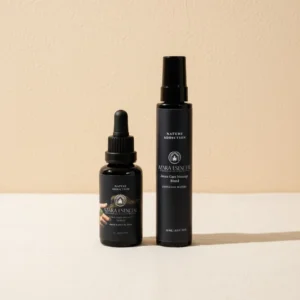
A two-step botanical ritual combining five warming oils and five distilled botanical waters — formulated with physiotherapists for joint stiffness, inflammation, and restricted mobility
Why joint discomfort requires a multi-compound approach
A joint is not an isolated structure. It is surrounded by skin, fascia, muscle, ligament, synovial membrane, and cartilage — each tissue layer with different biology, different inflammatory mechanisms, and different responses to topical compounds.
Inflammation in a joint involves multiple simultaneous processes: NF-κB activation drives pro-inflammatory gene expression, COX-2 produces prostaglandins that sensitize pain receptors, cytokines including IL-1β, IL-6, and TNF-α amplify the inflammatory cascade, and restricted microcirculation slows the removal of inflammatory metabolites from the tissue.
A single-compound approach — even a well-documented one — addresses one of these pathways. The Joint Care Blend formulation targets all of them through five botanical oils and five botanical waters, each selected for a specific and complementary mechanism, applied in a two-step sequence that maximizes their combined effect.
This was developed in collaboration with physiotherapists and alternative medicine specialists. The formulation logic is not cosmetic — it is therapeutic in design.
Why the two-step sequence matters: mist before oil
Water-soluble botanical compounds and lipid-soluble botanical compounds access tissue through different pathways. Combining both in a single product forces a compromise — neither phase works at its full potential. Separating them into a precise two-step sequence allows each to perform optimally.
Step 1 — Botanical Mist: The distilled botanical waters hydrate the skin surface, activate the tissue’s immediate surface response, and deliver water-soluble anti-inflammatory and circulation-priming compounds. Critically, hydrated skin is measurably more permeable to lipid-soluble compounds — a well-established principle of transdermal pharmacology.
Step 2 — Warming Oil Blend: Applied to a skin surface that has been hydrated and primed, the lipid-soluble actives — curcumin, 1,8-cineole, alpha-eleostearic acid, camphor — penetrate more effectively and reach deeper tissue layers than they would on dry, unprimed skin.
Step 3 — Cloth Wrap: Retaining warmth with a cloth wrap for 10–15 minutes after massage extends the active penetration window, allowing compounds to continue migrating through tissue layers after the massage has finished.
The sequence is the formulation. Applying the oil without the mist reduces efficacy. Skipping the wrap shortens the window of active absorption. Every step is functional.
Inside the warming oil blend: five ingredients, five mechanisms
Every ingredient in the oil blend was selected for a specific and documented mechanism relevant to joint discomfort. None are included for fragrance, color, or trend.
The five oils work through complementary and non-redundant pathways — meaning their combined effect is greater than any individual compound applied alone.
Inside the botanical mist: five distilled waters, one prepared scalp
The botanical mist is not a water-based preamble to the “real” product. It is half of a two-compound delivery system, providing water-soluble botanical fractions that the oil phase cannot carry.
Each distilled water is the genuine condensate of steam-distilled plant material — containing the plant’s water-soluble aromatic acids, flavonoids, and bioactive compounds at physiologically relevant concentrations.
Garden Cress Distilled Water (Lepidium sativum) tones and stimulates the skin, beginning the circulation-priming process before the oil arrives. Its glucosinolate derivatives are water-soluble and cannot be delivered in the oil phase.
Bitter Melon Distilled Water (Momordica charantia) carries water-soluble bitter compounds that support the skin’s surface anti-inflammatory response — complementing the alpha-eleostearic acid delivered by the oil phase of the same plant.
Dittrichia Viscosa Water — the most botanically distinctive ingredient in the formulation. Known across the Mediterranean and Middle East as *rara ayub* (“Job’s healing plant”), Dittrichia viscosa has been used specifically for joint discomfort for centuries in traditional Moroccan, Spanish, and Levantine herbalism. Its flavonoid and sesquiterpene profile carries anti-inflammatory and tissue-calming properties now increasingly confirmed by ethnobotanical research. Its inclusion reflects genuine botanical knowledge rather than ingredient trend-following.
Camphor Distilled Water (Cinnamomum camphora) delivers the initial mild warming signal to the joint area before the oil is applied — activating TRPV1 receptors and increasing local tissue temperature slightly, which improves receptivity to the oil blend that follows.
Garden Cress Seed Water completes the mist with additional skin-balancing action, contributing to the overall hydration and permeability enhancement that makes Phase 2 more effective.
The Ingredients
Botanical Mist — Garden Cress Distilled Water
Lepidium sativumOpens Phase 1 of the ritual. Tones and stimulates the skin surface, begins circulation priming, and delivers glucosinolate compounds that are water-soluble and cannot be carried in the oil phase. Prepares the tissue for deeper penetration of the oil blend that follows.
Botanical Mist — Bitter Melon Distilled Water
Momordica charantiaDelivers water-soluble bitter compounds with surface anti-inflammatory activity that complement the alpha-eleostearic acid in the oil phase. Traditional medicine across Asia and the Middle East has used bitter melon for joint and inflammatory conditions for centuries — the mist delivers the water-soluble fraction of the same plant.
Botanical Mist — Dittrichia Viscosa Water
Dittrichia viscosaKnown as "Job's healing plant" across the Mediterranean and Middle East. Used specifically for joint discomfort for centuries in Moroccan, Spanish, and Levantine herbal traditions. Contains flavonoids and sesquiterpenes with anti-inflammatory and tissue-calming properties. The most botanically distinctive ingredient in the formulation — included for documented traditional efficacy, not aesthetic.
Botanical Mist — Camphor Distilled Water
Cinnamomum camphoraDelivers the initial warming signal to the joint area before the oil arrives. Activates TRPV1 thermoreceptors, increasing local tissue temperature and improving the tissue's receptivity to the warming oil blend that follows in Phase 2. Primes the joint area for maximum oil absorption.
Warming Oil — Turmeric Root Oil
Curcuma longaThe most scientifically documented ingredient in the blend. Curcumin — turmeric's primary bioactive — inhibits NF-κB (the master regulator of the inflammatory response), suppresses COX-2, reduces pro-inflammatory cytokines IL-1β, IL-6, and TNF-α, and protects chondrocytes from inflammatory damage. Critical formulation note: curcumin is nearly insoluble in water. In a lipid vehicle, its tissue bioavailability is at its maximum — making the oil format functionally necessary, not merely a preference.
Warming Oil — Bitter Melon Seed Oil
Momordica charantiaRich in alpha-eleostearic acid — a conjugated fatty acid with antioxidant and anti-inflammatory properties that work through complementary pathways to curcumin. Traditional use across Asian and Middle Eastern medicine for joint and inflammatory conditions spans centuries. In this formulation it provides anti-inflammatory support and deep nourishment of tissue surrounding the joint capsule.
Warming Oil — Laurel Leaf Oil
Laurus nobilisContains 1,8-cineole (eucalyptol) and linalool — both well-characterized for anti-inflammatory and analgesic activity in topical application. Additionally has antispasmodic properties that reduce the protective muscle tension that builds around a painful joint and worsens discomfort by restricting circulation and altering joint mechanics. Mediterranean herbal traditions have used laurel for joint stiffness for centuries — the biochemistry confirms the mechanism.
Warming Oil — Camphor Extract
Cinnamomum camphoraA TRPV1 receptor activator — the same receptor pathway responsible for therapeutic heat perception. Creates a sustained, physiologically genuine warming sensation when massaged into the joint area. Also acts as a penetration enhancer: temporarily increases skin and fascial permeability, allowing other active compounds in the blend to reach deeper tissue. Over two thousand years of recorded use for joint and muscle relief across Eastern and Western traditions — the receptor mechanism is now fully characterized.
Warming Oil — Garden Cress Seed Oil
Lepidium sativumRich in erucic acid and glucosinolates with circulation-promoting and mildly stimulating properties. Functions as a bioactive carrier — improving delivery of the other actives, promoting microcirculation in skin and superficial tissue surrounding the joint, and contributing mild anti-inflammatory activity. Present in both the mist and oil phases, extending its benefit across the entire two-step ritual.
The Ritual
Spray the Botanical Mist directly onto the joint area
Apply to clean, dry skin over the target joint — knee, hip, shoulder, wrist, lower back. No need to rub in. Section the area if treating a large joint like the hip or lower back.
Massage the mist into the skin for 1–2 minutes
Slow circular motions over the joint area. This activates the water-soluble botanical compounds, begins warming the superficial tissue, and starts the circulation-priming process before the oil arrives. Do not skip this — the massage is part of the delivery mechanism.
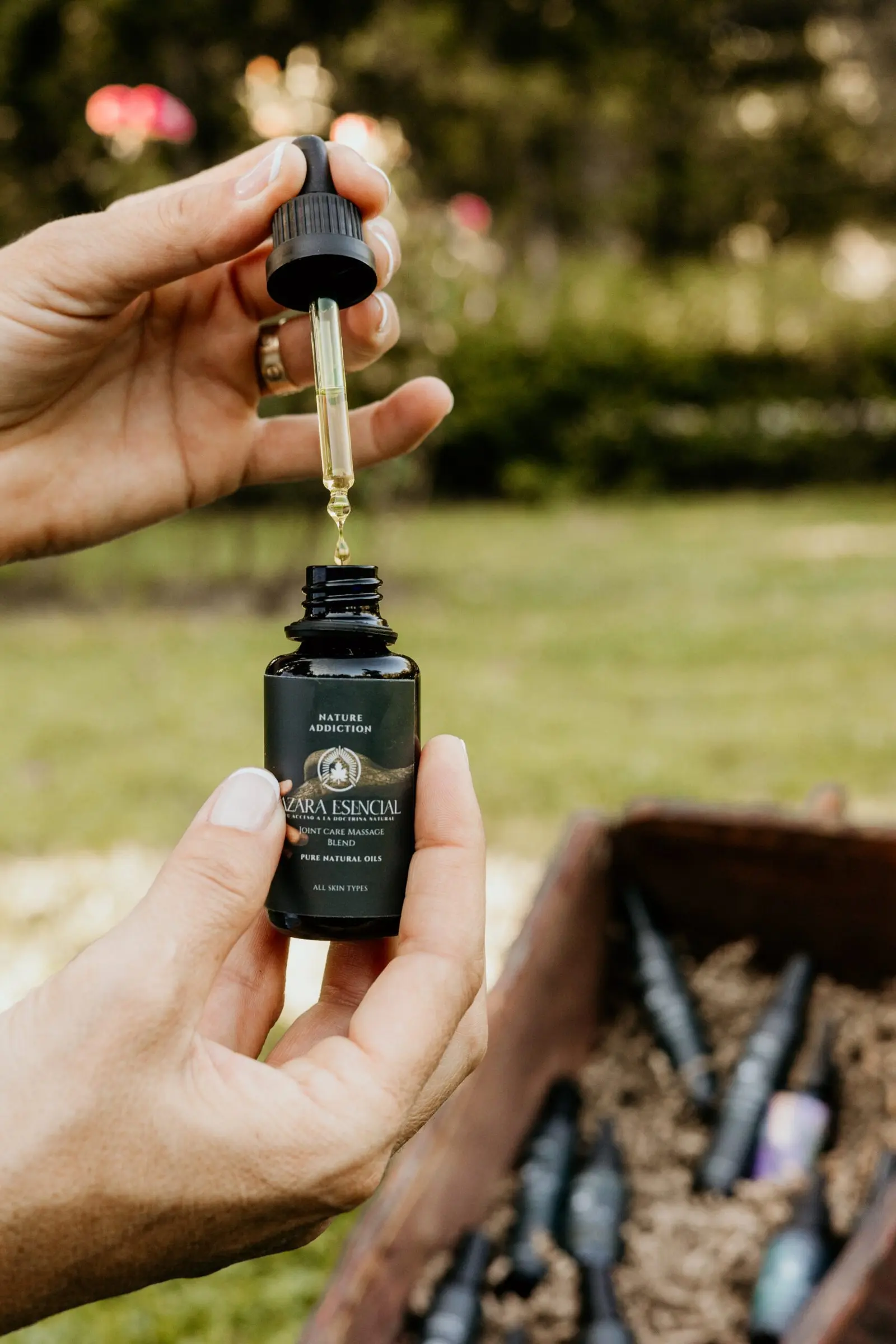
Apply 4–6 drops of the Warming Oil Blend to the joint
Dispense directly onto the skin over the target area — not onto your palms first. Applying to already-primed, hydrated skin from the mist phase maximizes immediate absorption.
Massage firmly for 10 minutes
This is the most important step. Firm, slow circular massage with consistent pressure — not light stroking. The massage simultaneously drives the oil's active compounds into the tissue and stimulates local microcirculation, which improves nutrient delivery and inflammatory metabolite clearance at the joint. Ten minutes minimum.
Apply a warm cloth wrap and rest for 10–15 minutes
A warm (not hot) cloth wrapped around the treated joint retains the temperature generated by the massage and extends the active penetration window. Compounds continue migrating into tissue layers while you rest. This step significantly improves the depth of effect compared to massage alone.
Apply twice daily for consistent results
Morning and evening application gives the botanical compounds consistent presence in the tissue. Single daily use produces some benefit but significantly slows the timeline to improvement. Consistent twice-daily use is what the formulation was designed and tested for.
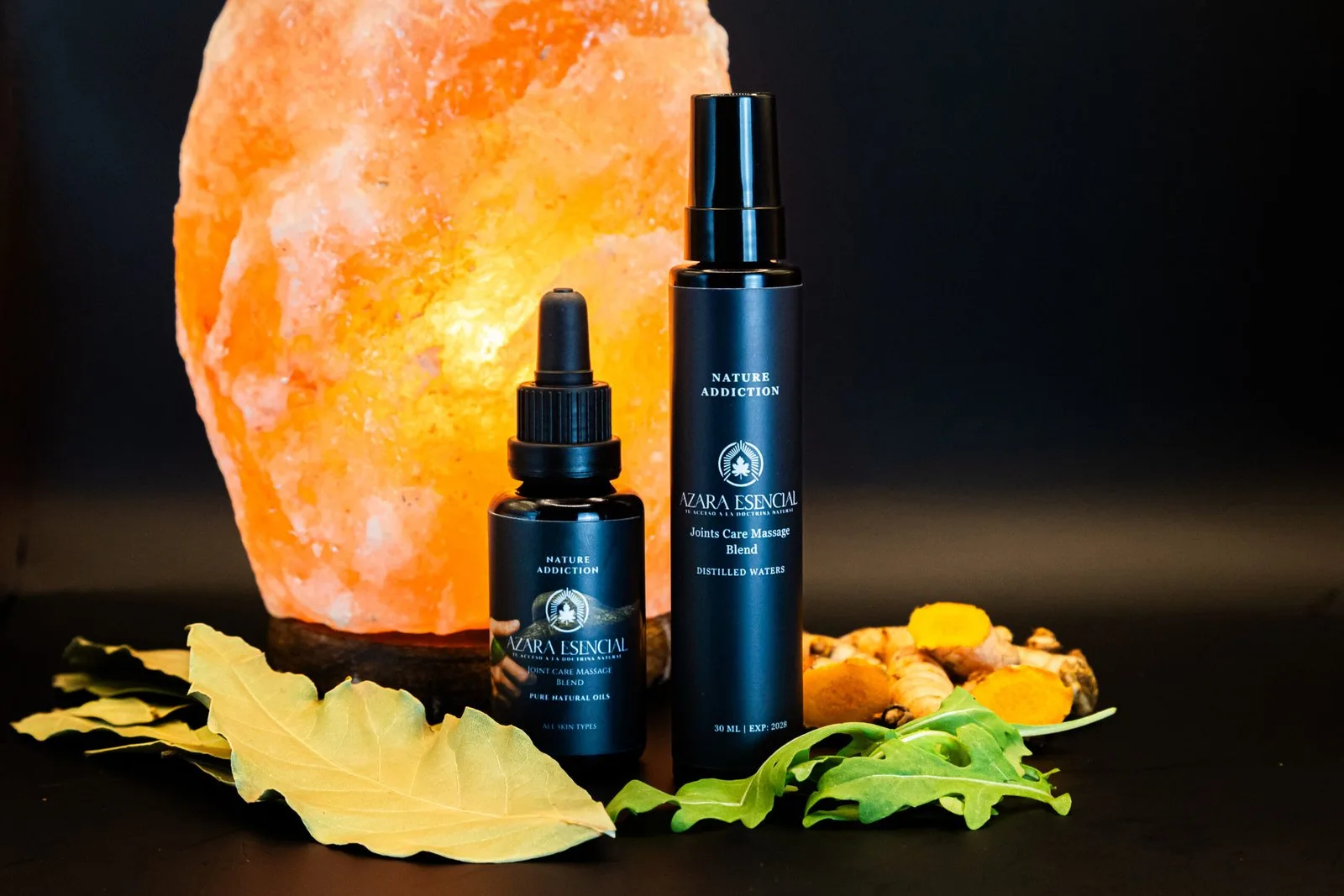
The Joint Care Blend is a complete two-step system. The Botanical Mist and Warming Oil Blend are formulated to work in sequence — the mist prepares the tissue, the oil delivers the active compounds into tissue that is primed to receive them. Using one without the other reduces the efficacy of both.
Get Your Joint Care BlendWhat to Expect
Frequently Asked Questions
The blend contains botanicals with well-documented anti-inflammatory properties directly relevant to the biology of both osteoarthritis and rheumatoid arthritis — curcumin’s inhibition of NF-κB and COX-2 has been studied specifically in arthritic tissue. However, if you have a diagnosed arthritic condition, consult your healthcare professional before use. The blend is appropriate as a supportive complement to medical treatment — not as a replacement for it.
Curcumin — turmeric’s primary bioactive compound — is nearly insoluble in water. In water-based products, teas, and poorly-formulated supplements, it has minimal bioavailability regardless of concentration stated on the label. In a lipid vehicle applied topically to the target joint, curcumin solubilises and penetrates tissue where it is needed — directly at the inflamed joint — without the absorption challenges of oral delivery. The oil format is functionally necessary, not a cosmetic choice.
Standard massage oils are formulated for full-body relaxation — their botanical concentration is typically low, and they contain no sequential delivery system. Standard warming creams (most containing synthetic capsaicin or menthol) address pain signaling only, with no anti-inflammatory mechanism. The Joint Care Blend is a two-step targeted system with five botanical oils at therapeutic concentrations, five complementary distilled botanical waters, and a massage protocol designed in collaboration with physiotherapists. The formulation, concentration, and sequence are all specific to joint tissue — not adapted from a general product.
The mist is not optional. It performs three functions that the oil cannot: it hydrates the skin surface to measurably increase permeability to the oil’s lipid-soluble compounds; it delivers water-soluble botanical fractions that are incompatible with an oil base; and it initiates the warming and circulation-priming response before the oil arrives. Skipping the mist is the equivalent of removing half the formulation. The two-step sequence produces measurably better results than the oil alone.
Turmeric oil can leave a temporary yellow tint on light-colored fabrics. Apply after showering rather than before, use a cloth or old towel during the wrap phase, and avoid light-colored clothing immediately after application. Any tint on skin is temporary and washes away naturally. The staining effect is the visible evidence of curcumin’s presence — the same compound that makes the formulation effective.
Yes. A lighter application — 2–3 drops of oil following the mist — applied 30 minutes before exercise or physical activity helps prepare joints prone to discomfort and supports mobility during movement. The camphor and laurel compounds in particular provide immediate comfort and range-of-motion support that is appropriate for pre-activity use. The full 10-minute massage protocol and cloth wrap are more appropriate for post-activity recovery or evening treatment.
Dittrichia viscosa — known across the Mediterranean and Middle East as “Job’s healing plant” — is a botanical with centuries of documented traditional use specifically for joint discomfort in Moroccan, Spanish, and Levantine herbal traditions. Its phytochemical profile includes flavonoids and sesquiterpenes with anti-inflammatory and tissue-calming properties. It is included because of its demonstrated traditional efficacy for joint conditions — not because of ingredient trends. Ethnobotanical research is increasingly confirming the biochemical mechanisms that traditional practitioners identified empirically over generations.