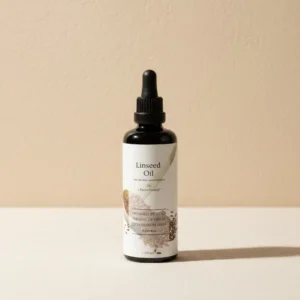
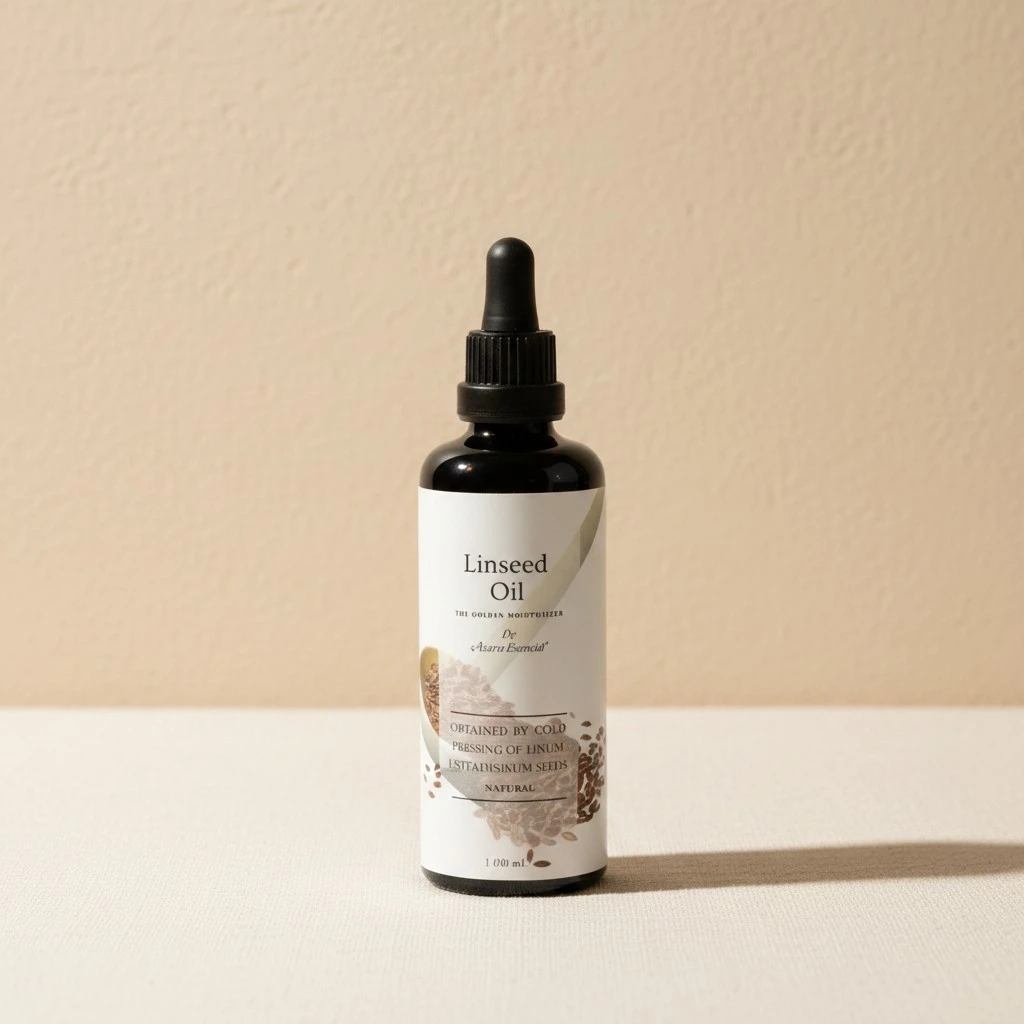
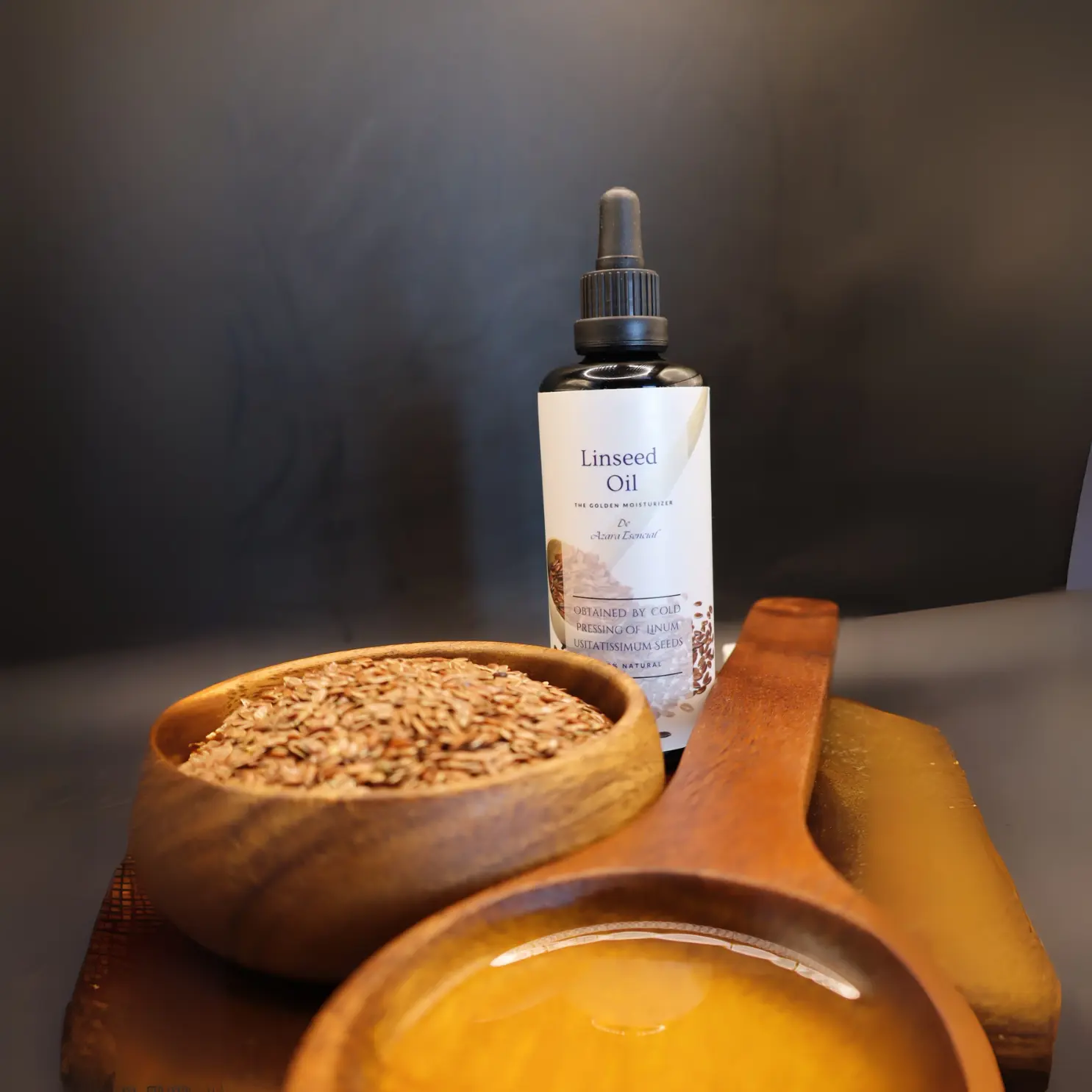
 Linseed Cold Pressed Oil
14,00 € inc. VAT
Availability: In stock

14,00 € inc. VAT
Availability: In stock
Botanical origin
Linseed oil — pressed from the ripe seeds of Linum usitatissimum — is one of the most omega-3-rich plant oils available, with alpha-linolenic acid (ALA) comprising 50–60% of its fatty acid profile. This exceptional concentration of omega-3 ALA drives its documented anti-inflammatory and skin-regenerating properties: ALA is a precursor to prostaglandins and other signalling molecules that regulate the skin's inflammatory response, helping to calm redness, support barrier repair and reduce visible signs of dryness and stress. Combined with omega-6 linoleic acid, omega-9 oleic acid, vitamin E and lignans, this is one of the most nutritionally complete anti-inflammatory plant oils for mature, dry or reactive skin.
Best for
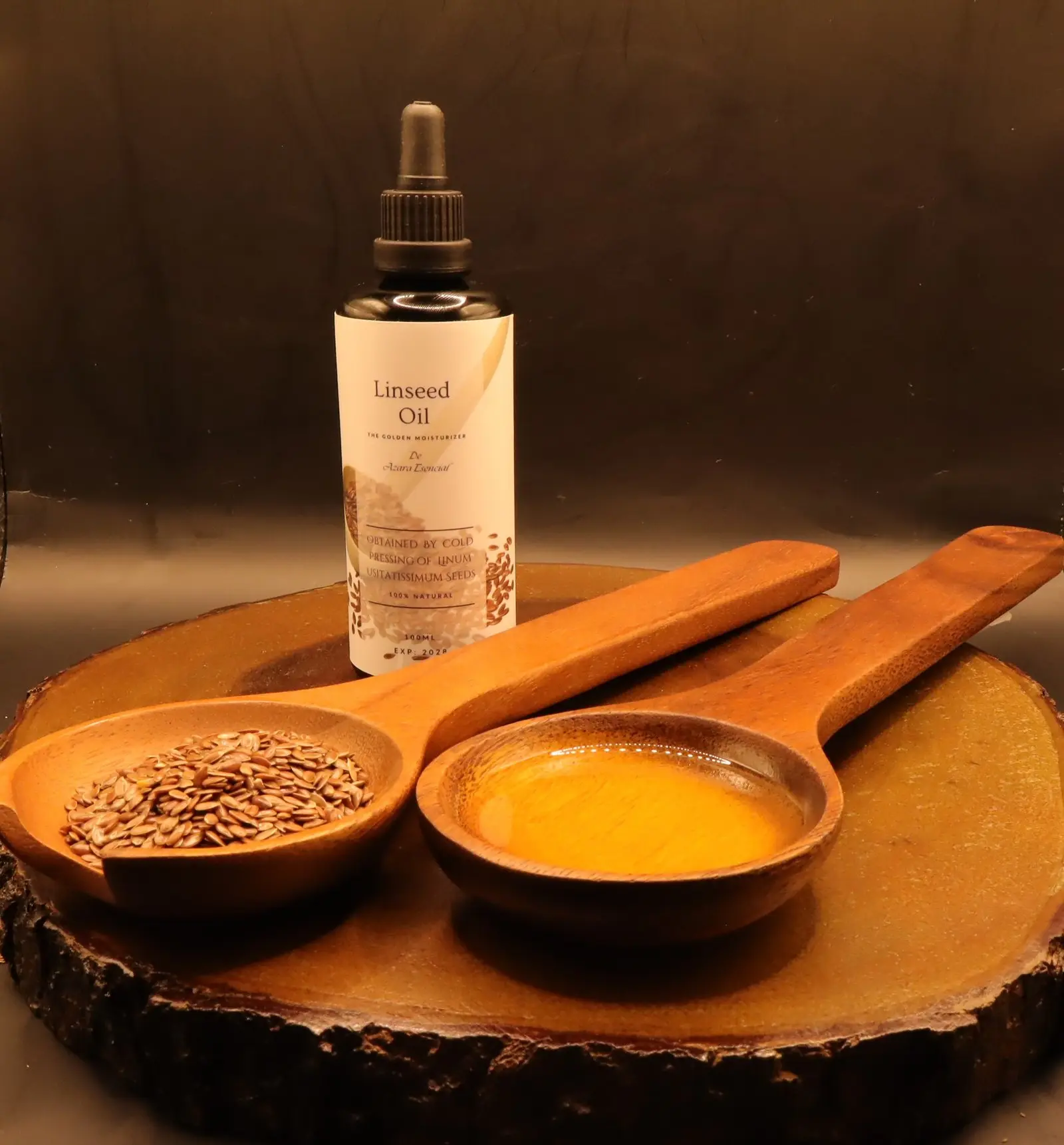
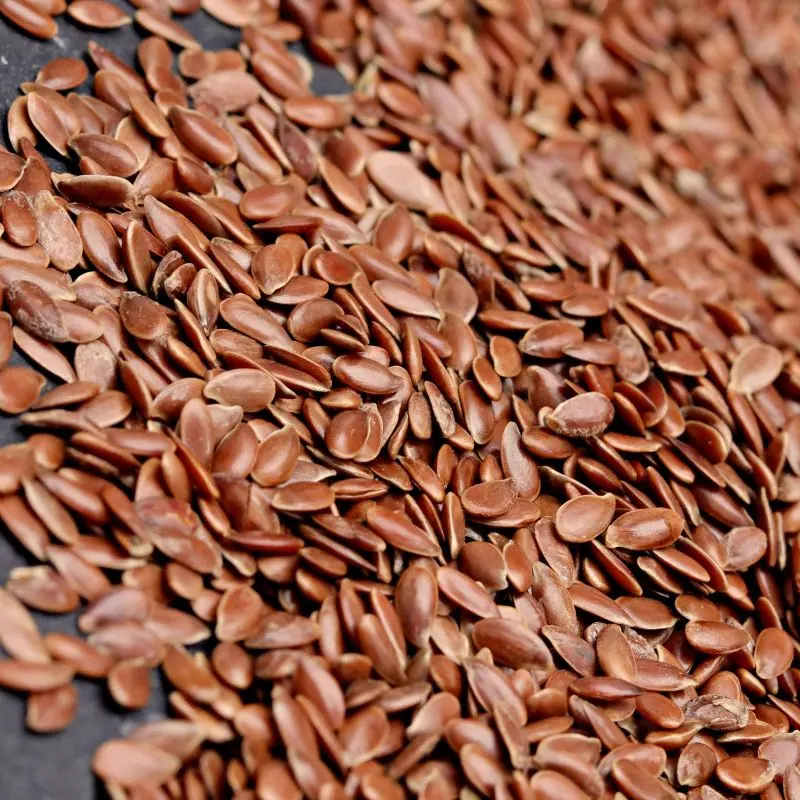
Ripe flax seeds — cultivated since Neolithic times, valued by Egyptian, Greek and Roman civilisations for its extraordinary nutritional and therapeutic properties
Science
The dominant fatty acid in linseed oil — an essential omega-3 that the body cannot synthesise and must obtain from external sources. ALA's documented anti-inflammatory activity makes it one of the most effective plant-derived lipid compounds for calming reactive, redness-prone skin and supporting the barrier repair process in dry or compromised skin.
Linoleic acid is a critical component of the skin's own lipid barrier — ceramide synthesis depends on adequate linoleic availability. Linseed oil's linoleic content reinforces the skin's natural barrier integrity, reducing transepidermal water loss and improving moisture retention in dry and mature skin.
Flaxseed is one of the richest plant sources of lignans — polyphenolic compounds with potent antioxidant activity and documented anti-inflammatory properties. Lignans protect skin cells against oxidative stress and contribute to the oil's overall anti-ageing profile.
Natural vitamin E in linseed oil provides membrane-level protection against lipid peroxidation — the oxidative degradation of fatty acids in skin cell membranes that accelerates visible ageing. Vitamin E works synergistically with ALA, protecting the omega-3 fatty acids from oxidation both in the bottle and on the skin.
Application
Apply 2–3 drops on slightly damp skin after toner or hydrosol. Massage upward gently — the slight dampness supports absorption of the omega-3 rich lipids into the upper skin layers.
Mix 1–2 drops into your night cream for a combined approach. The ALA in linseed oil works synergistically with most anti-ageing active ingredients without interfering with their efficacy.
If your skin is reactive, start with 1 drop mixed into your regular moisturiser for the first 3–5 nights. Increase to neat application once full tolerance is confirmed.
Ritual combinations
Linseed's omega-3 anti-inflammatory action complements frankincense's boswellic acid 5-LOX inhibition — two separate anti-inflammatory mechanisms working together for mature or stressed skin that needs both deep-acting lipid support and structural collagen protection.
View oil →Rose's brightening polyphenols and hydrating properties pair naturally with linseed's omega-3 barrier repair. Apply linseed oil first as a treatment layer, then seal with 1–2 drops of rose oil for radiance and moisture retention.
View oil →Both oils are exceptionally omega-3 rich and anti-inflammatory. Alternating linseed and garden cress oil in your weekly routine maximises the diversity of plant-based omega-3 compounds and antioxidants delivered to dry or mature skin.
View oil →From the journal
The omega-3 science of Linum usitatissimum — why alpha-linolenic acid is the skin's most critical essential fatty acid, and how linseed oil's complete nutritional profile supports dry, mature and reactive skin.
Read the articleQuestions
Linseed oil is primarily valued for dry, mature and reactive skin. Its exceptional omega-3 ALA content drives powerful anti-inflammatory activity, supports barrier repair and helps restore moisture to chronically dry skin. It is one of the most nutritionally dense oils for the skin's lipid barrier.
Because of its high ALA content, linseed oil oxidises faster than most plant oils. Store in a cool, dry place away from light and heat — refrigeration after opening is recommended. If the oil develops a sharp, rancid or bitter smell, discard and replace. A 100 ml bottle used consistently should be finished within 2–3 months after opening.
Yes — pre-wash and as an ends treatment. Apply to mid-lengths and ends before washing, leave 30–60 minutes, then shampoo (often requires 2 washes). For dry ends and frizz, 1–2 drops warmed in palms and smoothed over dry ends works well as a finishing treatment.
Yes — linseed oil's anti-inflammatory properties make it appropriate for reactive skin. Start with 1 drop mixed into moisturiser for the first week, then increase gradually. Its omega-3 content specifically supports calming the skin's inflammatory response.
Linseed Cold Pressed OilAvailability: In stock