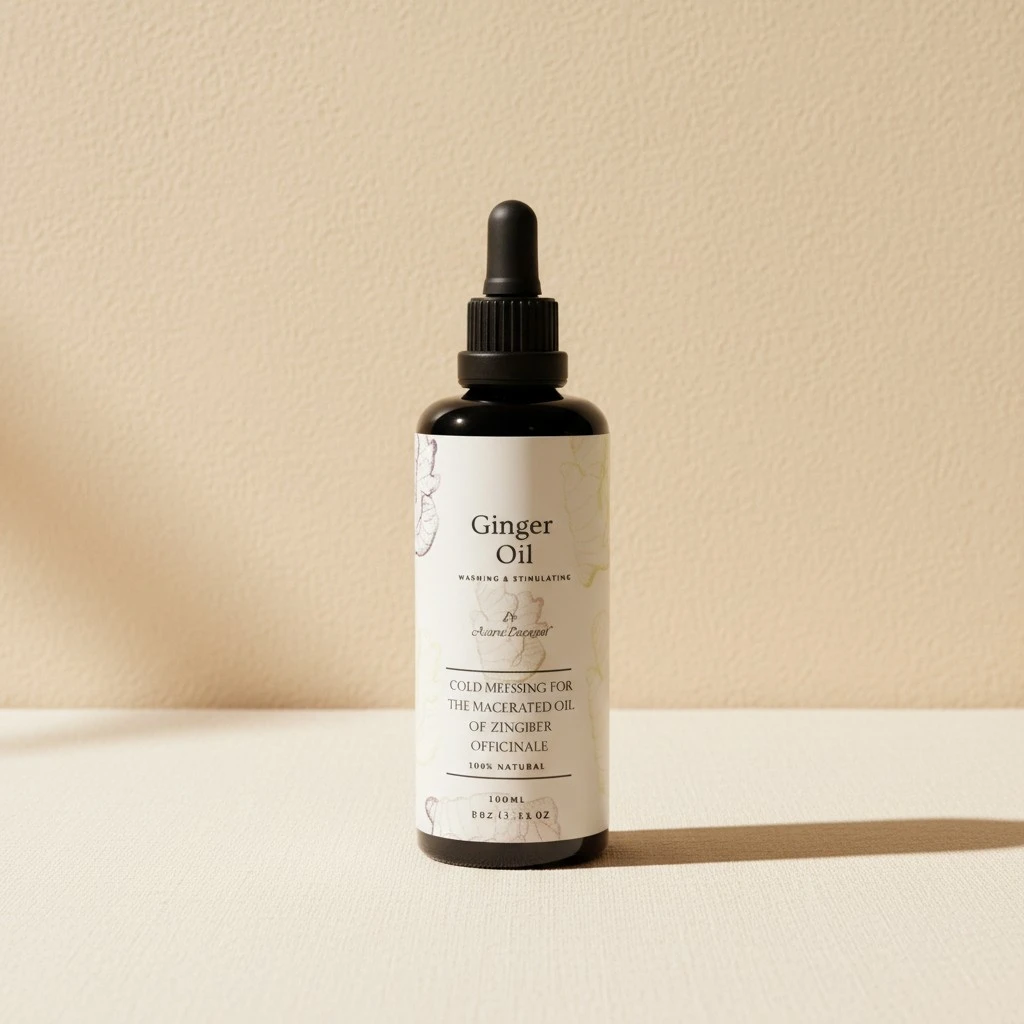
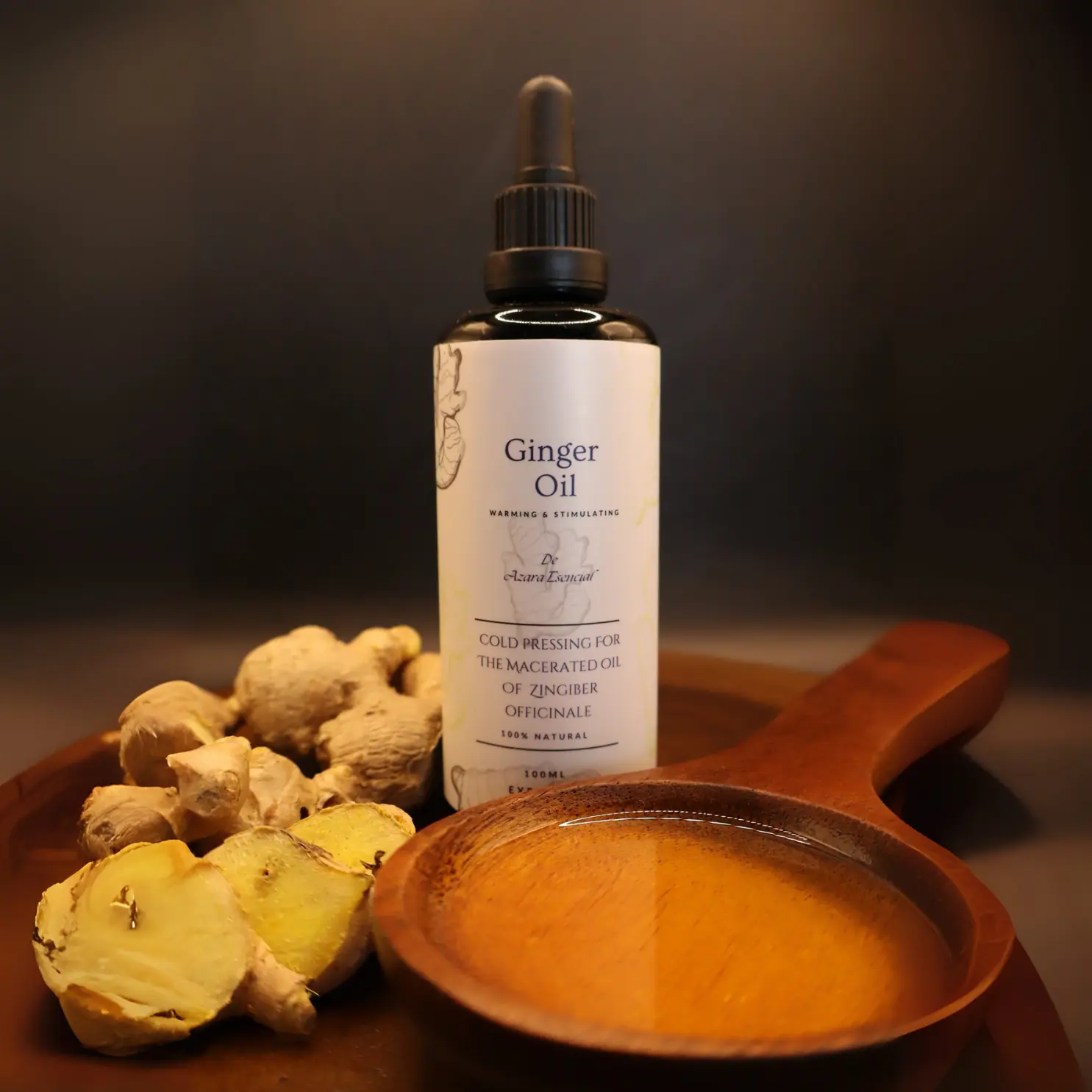
 Ginger Root Macerated Oil
19,00 € inc. VAT
Availability: In stock
19,00 € inc. VAT
Availability: In stock
Botanical origin
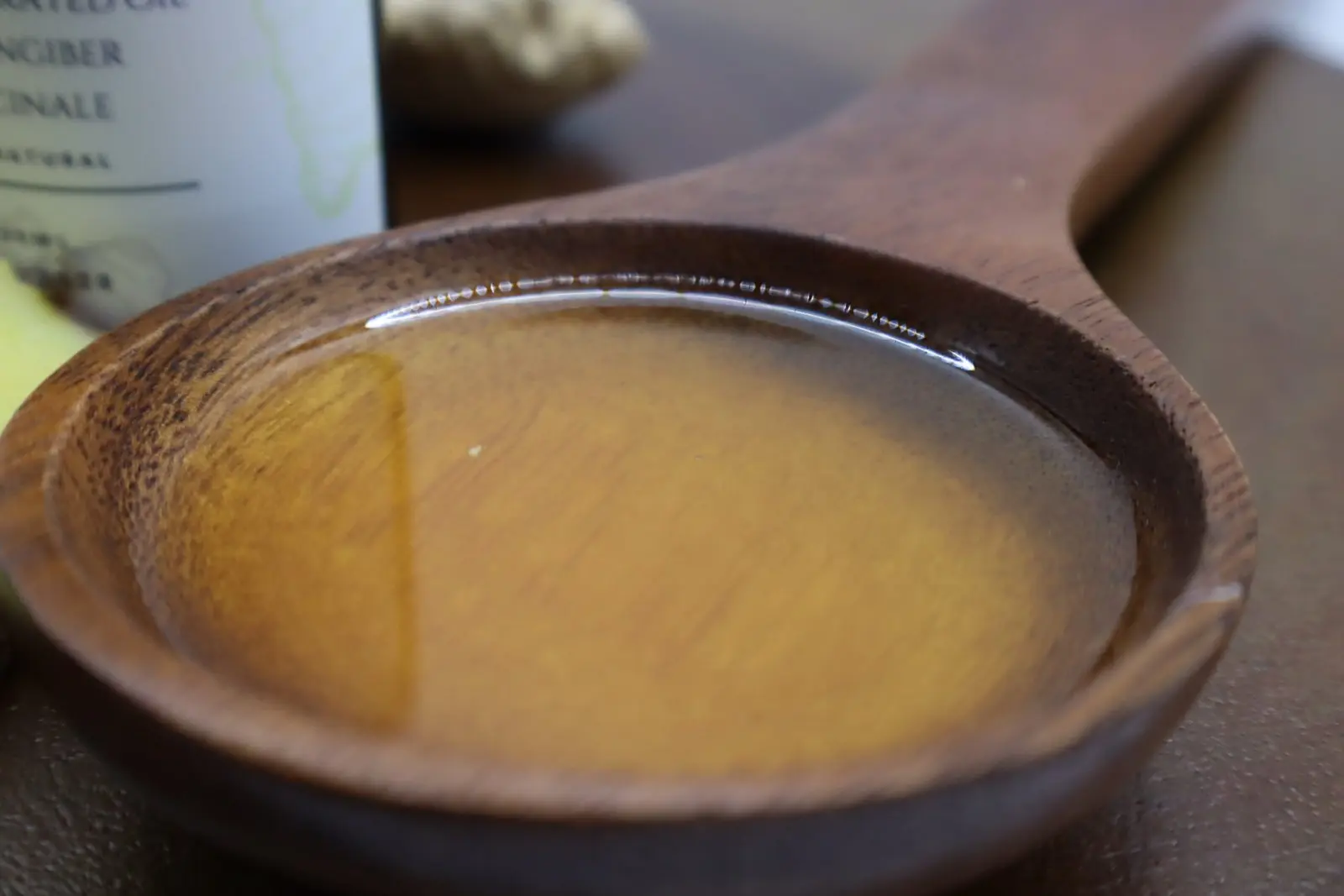
Ginger (Zingiber officinale) has been used as a medicinal plant across Indian, Chinese and Arab traditional medicine for over 3,000 years — one of the most widely studied warming botanicals in pharmacological research. Organic ginger rhizomes are macerated in soybean oil for 4–5 weeks — a sufficient time for gingerols and shogaols, the primary bioactive compounds, to fully migrate from the rhizome tissue into the lipid base. Gingerols drive ginger's warming effect and have documented inhibition of prostaglandin synthesis — one of the signalling pathways involved in the sensation of muscle soreness. Applied topically during massage, ginger oil promotes natural heat and supports circulation in the application area, making it an effective post-activity botanical for warming recovery rituals.
Best for
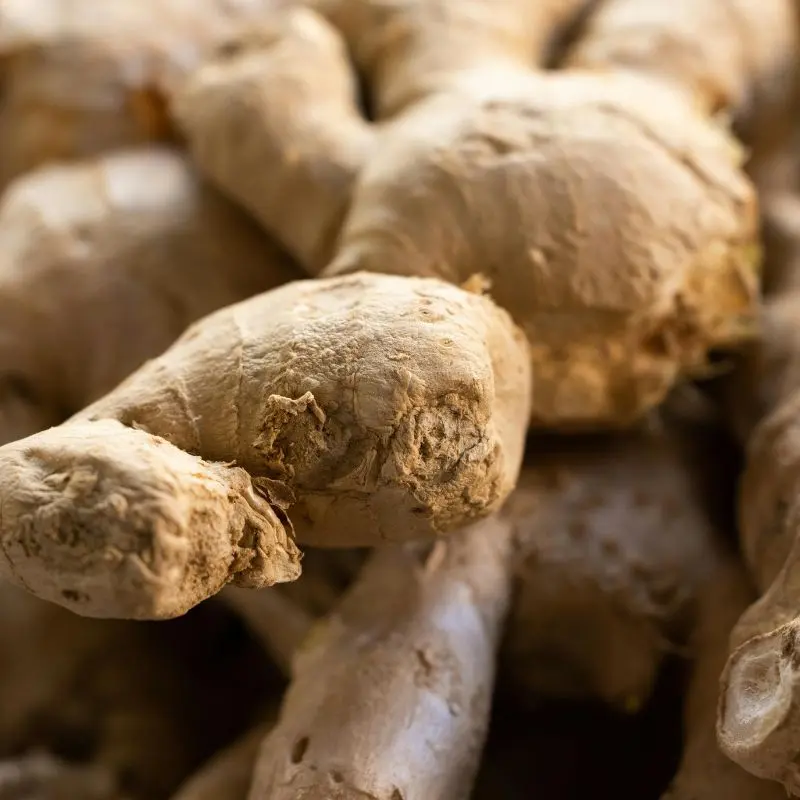
Organic Zingiber officinale rhizomes — cultivated in tropical Asia, used across Indian, Chinese and Arab traditional medicine for over 3,000 years as one of the most medicinally significant plants in human history
Science
The primary bioactive compounds of Zingiber officinale rhizome. Gingerols are potent antioxidants with documented inhibition of prostaglandin synthesis — one of the key signalling pathways involved in the sensation of muscle soreness after physical activity. Applied topically, gingerols activate a gradual natural warming sensation and support local circulation in the massage area.
Degradation products of gingerols (formed during drying and processing of ginger) that are more potent anti-inflammatory compounds than gingerols themselves. Shogaols have documented inhibitory activity against multiple inflammatory pathways and contribute to ginger oil's circulation-stimulating and tissue-comfort profile.
A phenolic compound formed from gingerols that contributes to the sustained warming and thermogenic character of ginger. Zingerone has its own documented anti-inflammatory and antioxidant properties, complementing the gingerol and shogaol activity.
The soybean carrier oil contributes oleic and linoleic acids that facilitate the delivery of ginger's active compounds across the skin surface, and provide nourishing conditioning to the massage experience.
Application
Apply a small amount directly to areas of tension or soreness — calves, thighs, shoulders, lower back. Massage with firm circular and long strokes for 5–8 minutes. The warming effect from gingerols builds gradually during application.
Massage upward from ankles to thighs for 3–5 minutes — particularly effective after long periods of standing or sitting. Ginger's circulation-supporting action helps revitalise heavy or fatigued-feeling legs.
Apply half a dropper to the scalp and massage 2–3 minutes with circular movements. Leave 20–30 minutes then shampoo. Ginger's circulatory compounds support a more nourished follicle environment with consistent weekly use.
Ritual combinations
Ginger and black pepper are the two most studied warming botanical oils for circulation support — gingerols and piperine activate complementary vasodilatory pathways, producing a sustained, layered warming effect that is the foundation of the Azara Muscle Care Blend.
View oil →Sweet almond is the ideal dilution carrier for ginger oil — its light, hypoallergenic oleic acid base safely delivers ginger's warming compounds to the skin at a comfortable concentration for extended massage sessions.
View oil →Ginger, mustard and black pepper together create the most potent warming massage combination available from pure botanical sources — three different TRPV1 and vasodilatory pathway activators working in synergy for intensive post-activity recovery.
View oil →From the journal
The gingerol and shogaol science — how Zingiber officinale's primary compounds activate warming sensation and support post-activity recovery, and why 4–5 weeks of maceration is required for meaningful extraction of these lipophilic compounds.
Read the articleQuestions
Ginger macerated oil is primarily used for warming body massage and post-activity recovery. Gingerols and shogaols support local circulation and have documented prostaglandin-inhibiting properties relevant for muscle soreness. It can also be used for scalp stimulation (diluted, pre-wash) and revitalising leg massage.
The warming effect from gingerols and zingerone builds during massage and typically lasts 20–40 minutes after application. This is a genuine thermogenic and vasodilatory effect — not simply a fragrance sensation.
Ginger oil is warming and stimulating — it is not suitable for sensitive, redness-prone or reactive facial skin. For body use, a patch test is recommended. If any persistent burning or irritation occurs, rinse with cool water.
Yes — ginger oil combines particularly well with black pepper oil and mustard oil for an intensive warming body blend. Each oil activates circulation through a different receptor mechanism, producing a comprehensive warming effect greater than any individual oil alone.
Ginger Root Macerated OilAvailability: In stock